


The Real Deal: Why Real Leather Is Better Than Vegan Leather
Real Leather vs Vegan Leather: Why Natural Leather Still Stands Strong
Introduction
In recent years, vegan leather has gained significant attention as a more ethical and sustainable alternative to traditional animal leather. Driven by environmental awareness and changing consumer values, many brands have embraced synthetic leather materials in their collections. However, while the conversation around sustainability is essential, it is equally important to look at the full picture.
Real leather continues to be widely used in fashion, accessories, and interior design and for good reason. In many key aspects, natural leather still outperforms vegan leather, especially when durability, comfort, craftsmanship, and long-term sustainability are taken into account.
In this article, we explore why real leather remains a superior material in many applications and why it continues to be the preferred choice for designers, artisans, and manufacturers worldwide.
Durability and Longevity: Built to Last
One of the strongest arguments in favor of real leather is its exceptional durability.
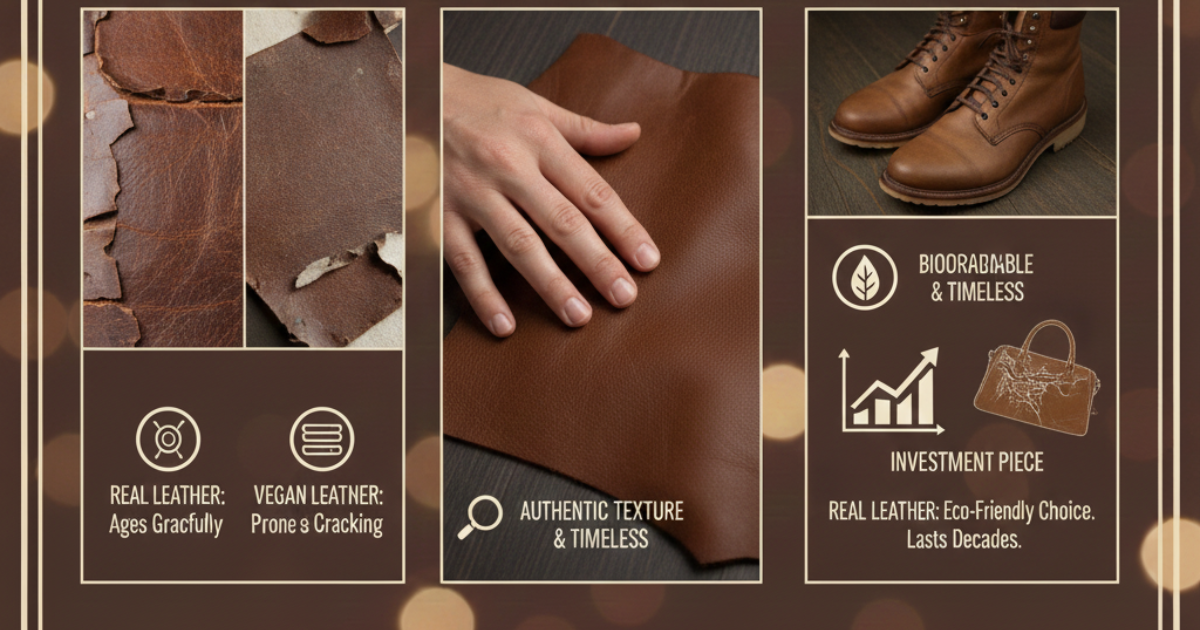
High-quality leather is designed to last. When properly cared for, leather products can remain functional and beautiful for decades. Instead of wearing out, real leather ages gracefully, developing a natural patina that enhances its character over time. This evolution is something many consumers actively seek, a product that tells a story as it ages.
In contrast, most vegan leather products are made from synthetic materials such as polyurethane (PU) or PVC. While they may look appealing initially, they often:
- Crack
- Peel
- Lose flexibility
- Show wear much faster
As a result, vegan leather items frequently need to be replaced within a few years, making them less sustainable in the long term despite their ethical positioning.
Comfort and Breathability: A Natural Advantage
Leather is a natural, breathable material, which makes a noticeable difference in comfort.
Real leather:
- Regulates temperature naturally
- Absorbs and releases moisture
- Adapts to the wearer’s body over time
These properties make leather exceptionally comfortable in both warm and cold conditions. Whether used in shoes, accessories, or leather cords for jewellery, real leather feels soft, flexible, and natural against the skin.
Vegan leather, on the other hand, is usually non-breathable. Because it is plastic-based, it tends to:
- Trap heat
- Retain moisture
- Feel stiff during extended wear
This can reduce comfort, especially for items worn close to the body.
Unique Aesthetic Appeal: Authenticity Cannot Be Imitated
One of the most celebrated qualities of real leather is its authentic appearance.
Each piece of leather is unique. Natural grain patterns, subtle variations in texture, and minor imperfections give leather its unmistakable character. No two pieces are ever exactly the same.
This individuality:
- Adds depth and richness to designs
- Enhances perceived value
- Creates a premium, timeless look
While vegan leather has improved aesthetically over the years, it still struggles to convincingly replicate the depth, warmth, and natural irregularity of real leather. Synthetic materials often look uniform and artificial when examined closely.
For designers and brands that value authenticity, real leather remains unmatched.
Environmental Considerations: A More Complex Reality
At first glance, vegan leather appears to be the more environmentally friendly option. However, the reality is more nuanced.
Real Leather as a Byproduct
In many cases, real leather is a byproduct of the meat industry. This means it utilizes animal hides that would otherwise go to waste. When processed responsibly, leather production maximizes resource efficiency.
Synthetic Leather and Environmental Impact
Vegan leather is typically made from:
- Plastic-based polymers
- Chemical coatings
- Non-biodegradable materials
Its production often involves:
- Fossil fuels
- Harmful chemicals
- High energy consumption
Additionally, when vegan leather products reach the end of their lifespan, they contribute to plastic waste and microplastic pollution, as they do not biodegrade naturally.
While innovation in plant-based alternatives is promising, many vegan leathers currently on the market remain heavily reliant on plastics.
Quality and Craftsmanship: Centuries of Expertise
Leather craftsmanship has a history spanning thousands of years. Artisans have refined their techniques over generations, mastering:
- Cutting
- Tanning
- Stitching
- Finishing
Real leather allows for a level of detail, strength, and refinement that is difficult to achieve with synthetic materials.
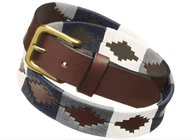
Leather cords, bags, belts, and accessories made by skilled craftsmen often display:
- Superior construction
- Long-term durability
- Exceptional finish
In contrast, vegan leather products are frequently mass-produced, prioritizing efficiency over artistry. While this suits fast fashion, it rarely delivers the same level of quality or uniqueness.
Investment Value: Products That Appreciate Over Time
Real leather is not just a purchase, it is an investment.
High-quality leather products often:
- Retain their value
- Improve in appearance with age
- Become heirloom pieces
Vintage leather jackets, bags, and accessories are highly sought after precisely because they age so well.
Vegan leather, due to its limited lifespan and lower perceived value, does not offer the same long-term investment potential. Once it deteriorates, it cannot be restored in the same way as natural leather.
Why Designers and Manufacturers Still Choose Real Leather
For professionals in fashion and accessories, material choice is critical. Real leather offers:
- Reliability
- Predictable performance
- Superior customer satisfaction
Leather cords, in particular, remain a preferred material in jewellery and accessory design because they combine:
- Strength
- Flexibility
- Comfort
- A premium look
These qualities are difficult to replicate consistently with synthetic alternatives.
A Balanced Perspective
This is not an argument against innovation or ethical progress. Vegan leather has an important role to play, especially as new plant-based and biodegradable materials continue to develop.
However, it is essential to recognize that real leather still holds significant advantages in durability, comfort, aesthetics, craftsmanship, and long-term sustainability.
The choice between real and vegan leather ultimately depends on:
- Personal values
- Design goals
- Intended use
- Expectations of longevity
Conclusion
While vegan leather has made meaningful strides in addressing ethical concerns, real leather remains a powerful and relevant material. Its durability, breathability, unique beauty, and long-term value make it an exceptional choice for those who prioritize quality over short-term trends.
For designers, manufacturers, and consumers who value craftsmanship and longevity, real leather continues to stand strong.
About Sun Enterprises
As a leading producer of leather cords and leather fashion accessories, Sun Enterprises is committed to quality, innovation, and responsible production.
📩 Contact us: info@sunenterprises.eu
🌐 Visit our website: www.sunenterprises.eu


