



What Is MOQ in Jewellery Manufacturing?
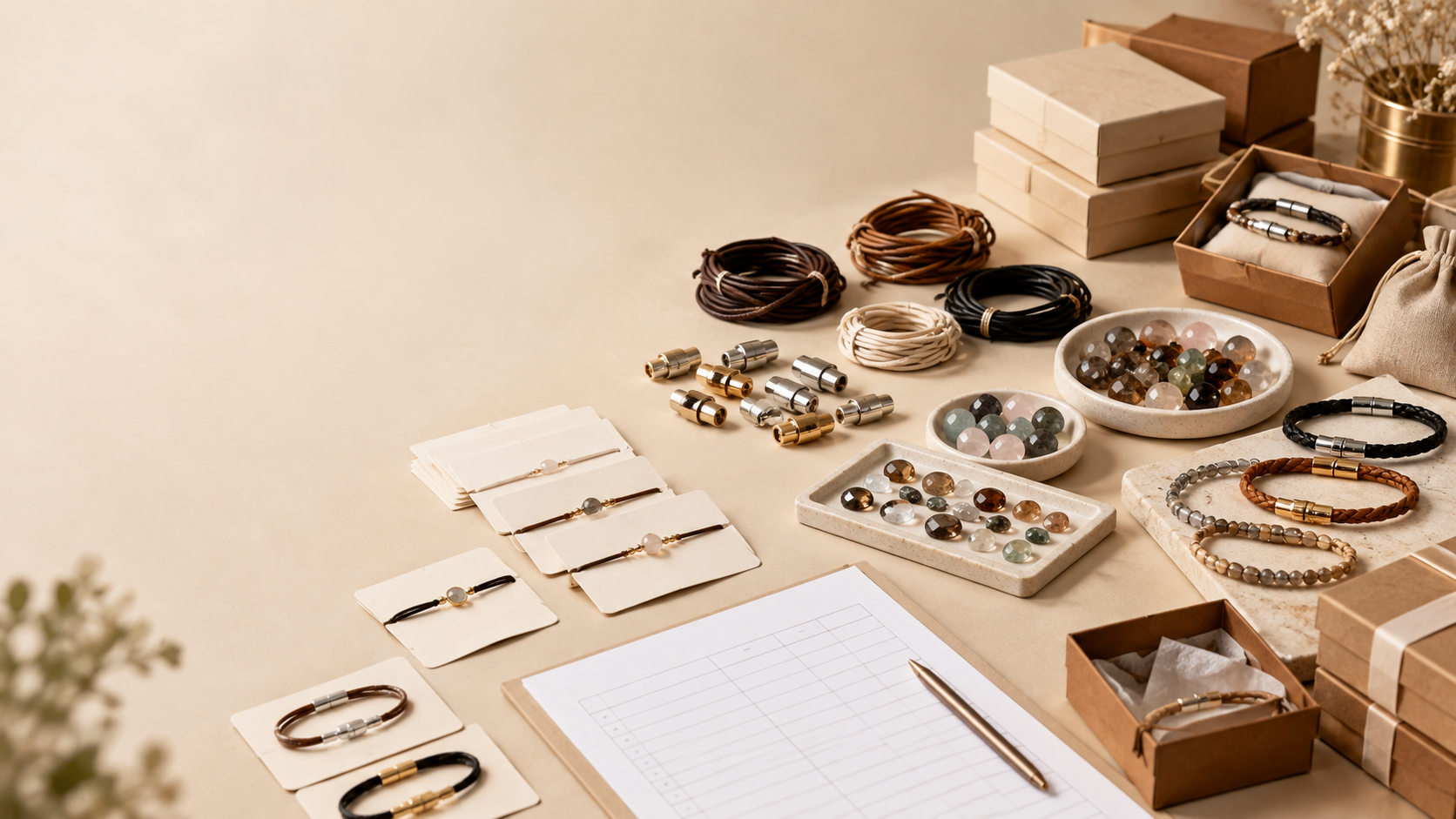
MOQ—short for minimum order quantity—is the smallest number of products or components a supplier is prepared to produce or sell in one order. Understanding MOQ is important when launching a jewellery collection, developing custom components or sourcing wholesale materials.
The MOQ for a leather bracelet, a custom clasp or a gemstone strand is not always the same. It can depend on the material, design, finish, production method and level of customisation.
What does MOQ mean?
MOQ stands for minimum order quantity. It tells you the lowest quantity you can order from a supplier for a specific product, component or production run.
For example, a supplier may offer:
- Existing leather cords at a lower wholesale quantity.
- Standard clasps in a set minimum quantity.
- A custom-coloured cord with a higher MOQ.
- A new logo clasp or mould-made component with a different minimum quantity.
- Finished private-label bracelets with an MOQ based on the chosen design and customisation.
MOQ helps suppliers cover the cost of materials, setup, labour, machinery and quality control involved in preparing an order.
Why do jewellery manufacturers have MOQs?
Producing a small number of custom pieces can require almost the same preparation as a larger order. Before production begins, a supplier may need to:
- Source raw materials.
- Set up tools or machinery.
- Prepare a mould or tooling.
- Match a colour or plating finish.
- Prepare logo artwork.
- Create a sample.
- Set up engraving.
- Assemble and inspect the components.
- Pack and ship the order.
For this reason, custom jewellery usually has a different MOQ from ready-made or standard catalogue products.
What affects MOQ in jewellery manufacturing?
Standard or custom product
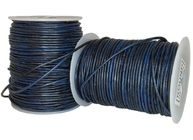
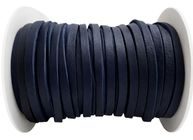
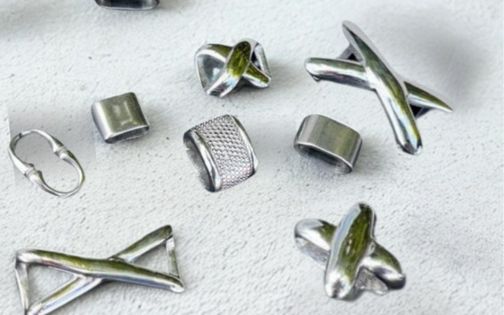
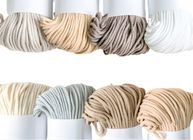
Standard components often have a lower MOQ because they are already available in stock. This can include existing leather cords, clasps, chains, gemstones or findings.
Custom components may require a higher quantity because they involve additional development, production setup or tooling.
Material
MOQ can vary by material. Leather, stainless steel, sterling silver, gemstones, chains and plated components may each have different sourcing and production requirements.
For example, a standard stainless-steel clasp may be easier to order in smaller quantities than a fully custom clasp that requires a new mould.
Colour, finish and plating
A custom colour, unusual plating or special finish may increase the MOQ because it requires a separate production process.
This can include:
- Custom-dyed leather.
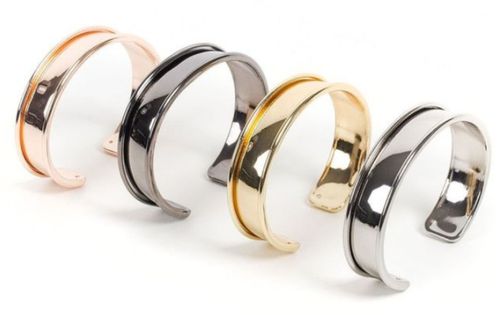
- Gold or rose-gold plating.
- Brushed or matte metal finishes.
- Special gemstone combinations.
- Colour-matched logo components.
Logo and branding
Adding a logo can affect the MOQ, especially when a component must be engraved, stamped, moulded or developed specifically for one brand.
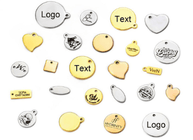
A small engraved logo on an existing clasp may have different production requirements from a completely new logo charm or custom mould.
Product complexity
A simple leather bracelet with an existing clasp may need a different minimum quantity than a multi-component design with gemstones, chains, special packaging and custom branding.
The more steps involved, the more important it becomes to discuss the design and expected quantity with the supplier.
Standard components vs custom components
| Product type | Typical MOQ situation | Why |
|---|---|---|
| Existing leather cord | Often more flexible | The supplier may have stock available |
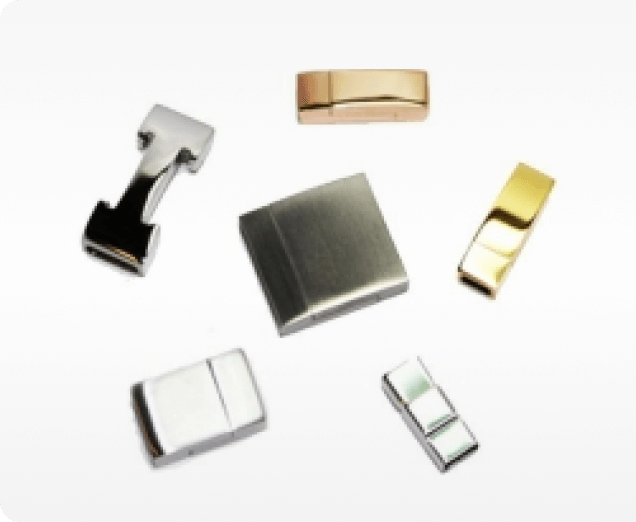
| Standard magnetic clasp | Often more flexible | Existing design and production |
| Ready-made bracelet | Depends on style and stock | Some items may be available in bulk |
| Custom-colour leather cord | Usually higher | Separate colour development or production |
| Engraved clasp | Depends on the logo and engraving method | Artwork preparation and production setup |
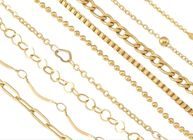
| Custom chain | Often higher | Link style, finish, length and plating may be made to order |
| New logo charm or clasp | Usually higher | May require tooling or a new mould |
| Fully private-label collection | Project-specific | Depends on all materials, branding and packaging |
These are general examples rather than fixed rules. Ask for the MOQ of the exact product or custom project you want to develop.
MOQ for custom jewellery
Custom jewellery can include:
- Leather cords in a specific colour or size.
- Branded magnetic clasps.
- Engraved logo tags.
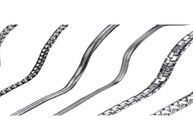
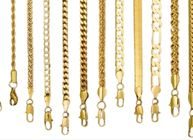
- Custom chains.
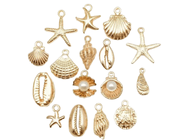
- New pendants or charms.
- Gemstone combinations.
- Private-label bracelets.
- Personalised packaging.
Sun Enterprises offers wholesale jewellery components and customisation across many product lines, including leather cords, clasps, chains, gemstones, logo components and ready leather bracelets. The company’s product range includes more than 45,000 articles and over 6,000 leather-cord variations.
For fully custom designs, a supplier may need to create a sample, develop tooling or produce a mould before larger production begins. Sun Enterprises explains that a custom clasp, charm, connector or other new component may require a new mould or tooling process.
Can you order samples before meeting an MOQ?
A sample is often the best first step before placing a larger production order.
Sampling allows you to check:
- Material quality.
- Leather colour.
- Gemstone size.
- Clasp fit and function.
- Logo placement.
- Plating or finish.
- Bracelet or necklace length.
- Comfort and overall appearance.
A sample does not automatically mean that the final MOQ will be low. However, it can help you confirm the design before investing in a larger order.
Sun Enterprises describes sampling as an important stage for assessing details such as material thickness, logo proportions, clasp comfort, plating and chain size before larger production.
How to plan your first order
If you are new to jewellery manufacturing, do not choose an order quantity based only on the lowest unit price. Consider your budget, expected sales, storage space and how quickly you can realistically sell the products.
A practical approach is:
- Start with a clear product idea.
- Choose standard components where possible.
- Request a sample or prototype.
- Confirm the final materials, colours and dimensions.
- Ask for the MOQ and cost at several quantities.
- Compare the unit price with your expected retail price.
- Check whether the supplier can support repeat orders.
- Keep a written specification for the final design.
This helps you avoid ordering more stock than you can sell or choosing a custom design that does not fit your budget.
How to ask a supplier about MOQ
When contacting a jewellery supplier, include enough information for them to understand your project.
You can ask:
Hello,
We are developing a jewellery collection and are interested in creating [product type]. We would like to use [materials, colours, clasp type and logo details].
Could you please advise on the minimum order quantity for this design? We would also like to know whether a sample is possible before full production and whether the MOQ changes for different colours or finishes.
Our estimated first order quantity is approximately [quantity].
Kind regards,
Name
Useful details to include:
- Product type.
- Material.
- Colour.
- Finish or plating.
- Logo requirements.
- Approximate measurements.
- Desired quantity.
- Sample request.
- Target delivery location.
You do not need to know every technical detail before asking. A sketch, reference image, logo or basic product description is enough to begin the conversation.
How to reduce MOQ risk
Start with standard components
Using an existing leather cord, clasp, chain or gemstone can reduce development time and make smaller orders more realistic.
Customise one element first
Instead of developing an entirely new product, start by customising one part—such as a logo tag, clasp engraving, colour.
Create a focused collection
A small range of coordinated products is easier to manage than many unrelated designs. You could use one leather colour, one clasp finish and several gemstone variations.
Test before scaling
Order a sample first, then collect feedback before placing a larger order.
Ask about quantity breaks
Suppliers may offer different prices at different volumes. Ask for quotations at several quantities so you can compare the unit cost and total investment.
Plan repeat orders
Choose components that can be sourced consistently. This helps you reorder successfully if your collection sells well.
Common MOQ mistakes to avoid
Assuming every product has the same MOQ
MOQ can change depending on the material, colour, finish, logo, design and manufacturing process.
Ordering too much to get a lower unit price
A lower cost per item is not helpful if you cannot sell the stock. Consider your cash flow and storage space.
Forgetting setup and development costs
Custom moulds, samples, engraving, plating and colour development may involve separate costs in addition to the MOQ.
Skipping the sample stage
A sample can reveal issues with fit, colour, comfort and logo placement before full production begins.
Not confirming the specification
Before production, confirm the exact material, finish, dimensions, logo and quantity in writing.
Focusing only on price
Consider quality, consistency, communication and the supplier’s ability to support future orders—not just the initial unit price.
MOQ and private-label jewellery
MOQ is especially important for private-label jewellery because a branded product may involve multiple customised elements.
For example, a private-label bracelet may include:
- Custom-colour leather cord.
- A stainless-steel clasp.
- Logo engraving.
- A branded tag.
- Custom packaging.
- A selected gemstone detail.
Each element can affect production planning. A supplier may be able to offer a lower MOQ when you use standard components and a higher MOQ when the design requires custom tooling, unique colours or specialised packaging.
Sun Enterprises supports private-label development and customisation for leather, clasps, chains, gemstones and other jewellery components. Its ready-made leather bracelet range includes more than 400 designs across 30+ cord styles, with bulk and private-label options available.
FAQ
What is MOQ in jewellery manufacturing?
MOQ means minimum order quantity. It is the smallest number of products or components a supplier is willing to produce or sell for a specific order.
Why is there an MOQ for custom jewellery?
Custom jewellery may require material sourcing, production setup, logo preparation, plating, sampling, tooling or mould development. MOQ helps make this process commercially viable.
Is MOQ the same for every jewellery component?
No. MOQ can vary by leather cords, clasps, chains, gemstones, logo components, finished bracelets, and fully custom designs.
Can I order just one custom jewellery item?
Some projects may allow a single sample, but full custom production usually requires a minimum quantity. Ask the supplier about sampling and the MOQ for your exact design.
Does adding a logo increase the MOQ?
It can. Logo engraving, stamping, moulding or custom logo components may involve separate preparation or tooling, which can affect the required quantity and cost.
Can I start a jewellery brand with a low MOQ?
Yes, it may be possible to start by using standard components, selecting a small focused range and customising only one or two details. The suitable MOQ will depend on the supplier and project.
What is the MOQ for private-label jewellery?
There is no universal answer. The MOQ for private-label jewellery depends on the design, materials, logo, packaging, customisation and production requirements.
How can I reduce the MOQ for my first collection?
Use stock components, avoid creating a new mould at the start, limit custom colours and finishes, begin with a small focused collection and ask about samples or existing ready-made designs.
Should I choose the lowest MOQ?
Not always. A low MOQ can be useful for testing a collection, but you should also compare product quality, unit cost, customisation options, supplier communication and the ability to reorder.
Can Sun Enterprises help with custom jewellery orders?
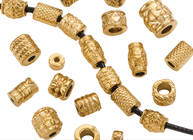
Sun Enterprises supplies wholesale leather cords, clasps, chains, gemstones, findings, beads, charms and ready-made bracelets. The company also offers customisation and private-label options across many product lines.
Work with Sun Enterprises
MOQ should not stop you from exploring a jewellery idea. It simply helps you plan the project realistically.
Start with a clear concept, decide which elements need to be custom, request a sample if possible and discuss quantities before confirming production. Standard components can be an effective way to test a new collection, while custom moulds, branded clasps and unique finishes can be introduced as the brand grows.
Sun Enterprises offers wholesale jewellery components, custom leather production, magnetic clasps, chains, gemstones, findings and private-label options for designers, retailers and jewellery brands. Explore Sun Enterprises


