


How to Order Custom Jewellery Components: A Beginner’s Guide
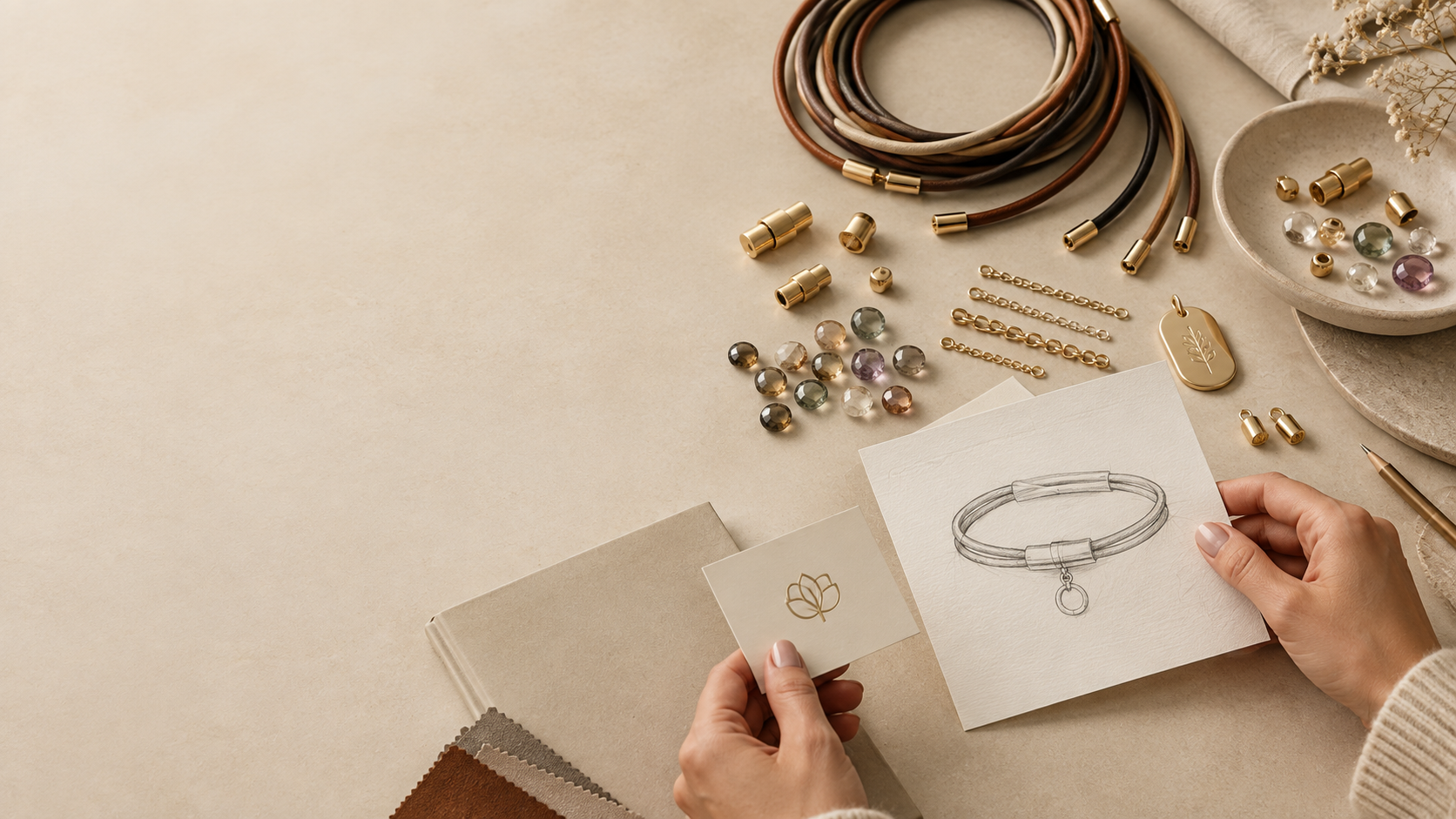
Ordering custom jewellery components can feel complicated, especially if you are developing your first collection. You may have a sketch, logo, colour palette or product idea, but not know which materials, dimensions or manufacturing details are required.
The good news is that you do not need to have every technical answer before contacting a supplier. A clear idea, reference image, logo, colour sample or basic product description can be enough to begin a conversation.
In this beginner’s guide, we explain how to prepare for a custom jewellery component order, what information to share with a supplier and how the process can develop from an initial idea into a finished product.
What are custom jewellery components?
Custom jewellery components are jewellery-making parts that are developed or modified according to a brand’s requirements.
They may be customised by:
- Colour.
- Size.
- Shape.
- Material.
- Finish.
- Plating.
- Logo.
- Engraving.
- Quantity.
- Construction.
- Packaging requirements.
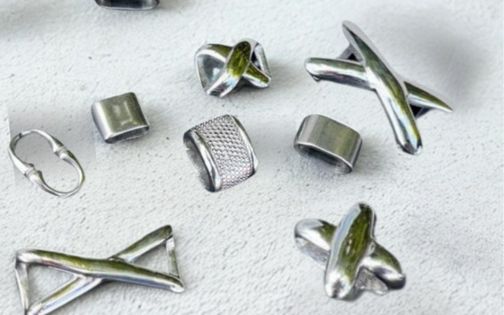
Common custom components include:
Customisation can be relatively simple, such as choosing a different colour or size. It can also involve developing a completely new component using a custom mould or tooling.
Why order custom jewellery components?
Standard catalogue components are useful for many jewellery designs. However, custom components can help a brand create a more recognisable and consistent collection.
Create a unique product
A custom clasp, charm or pendant can make your jewellery look different from products using standard components.
Strengthen your brand identity
Your logo, colour palette, engraving or signature finish can become part of the physical product rather than appearing only on the packaging.
Improve design compatibility
Custom sizing can help ensure that a clasp fits a specific cord, chain, gemstone or pendant.
Build a consistent collection
The same logo clasp, metal finish, leather colour or chain style can be used across bracelets, necklaces and other products.
Develop private-label jewellery
Custom components can help businesses create jewellery that is produced for their own brand and sold under their own name.
Sun Enterprises works with designers, manufacturers, retailers and distributors, offering jewellery components and customisation across many product categories.
Step 1: Define your product idea
You do not need a complete technical drawing, but you should try to describe what you want to create.
Start by answering simple questions:
- What type of jewellery are you developing?
- Is it a bracelet, necklace, anklet or accessory?
- Who is the target customer?
- What style should the product have?
- What materials do you prefer?
- What price range are you targeting?
- How many pieces do you expect to order?
- Will the component be used in one product or a complete collection?
Your first description could be as simple as:
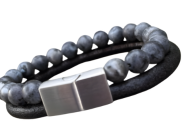
I want to create a minimalist men’s leather bracelet with a dark brown cord, a brushed silver clasp and a small engraved logo.
This gives the supplier a starting point for discussing suitable materials, sizes, and production options.
Step 2: Prepare visual references
Visual references make it easier to communicate an idea.
You can send:
- A hand-drawn sketch.
- An inspiration photograph.
- A mood board.
- Your brand logo.
- A physical sample.
- A colour reference.
- A product that you want to modify.
- A screenshot of a particular clasp or chain.
- A drawing with approximate measurements.
A professional technical drawing is helpful, but it is not always necessary at the beginning. Sun Enterprises states that customers can start with an idea, sketch, logo, inspiration image, colour reference, physical sample or existing product.
Step 3: Decide what should be customised
The word “custom” can mean different things. Be specific about which parts of the product you want to change.
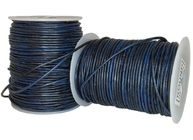
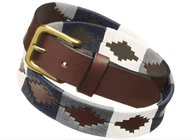
Leather cords
Leather cords may be customised according to:
- Colour.
- Diameter.
- Width.
- Thickness.
- Shape.
- Construction.
- Braiding.
- Stitching.
- Texture.
- Finish.
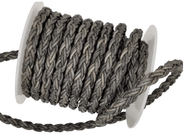
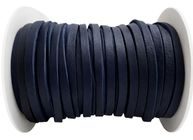
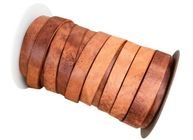
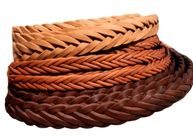
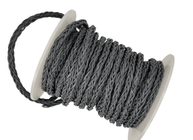
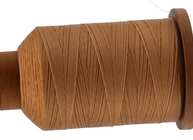
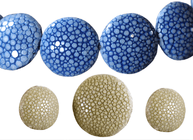
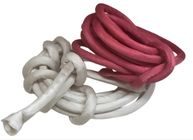
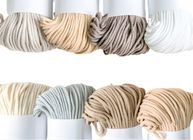
Sun Enterprises offers round, flat, braided, nappa, suede, hair-on, and stingray leather cords in a large range of variations.
Clasps and metal components
You may be able to customise:
- Shape.
- Size.
- Material.
- Surface finish.
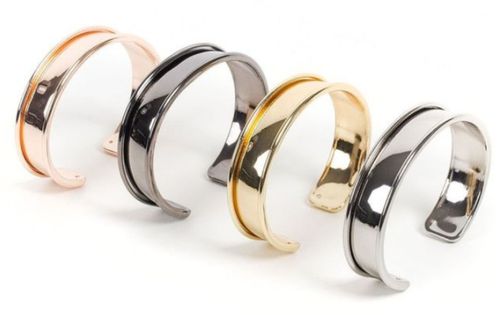
- Plating colour.
- Logo engraving.
- Connection points.
- Internal opening.
- Locking mechanism.
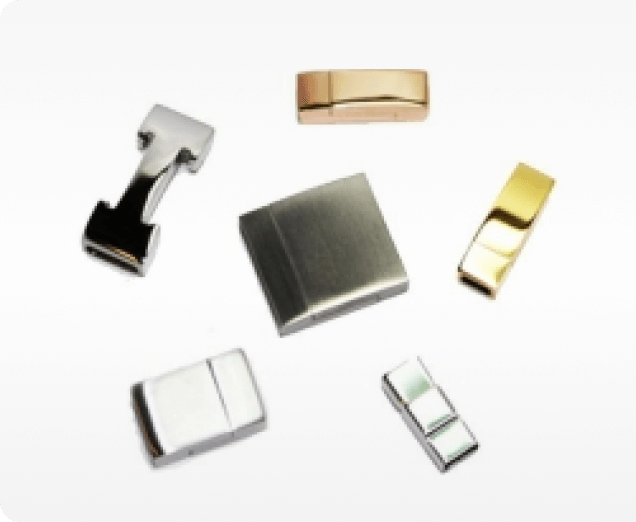
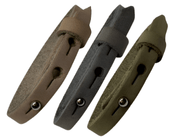
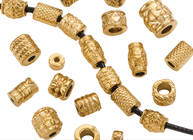
Sun Enterprises’ component range includes magnetic clasps, end caps, connector clasps and sliders matched to round, flat and regaliz cords. Custom logo engraving is available on metal clasps.
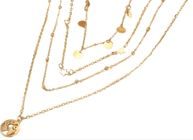
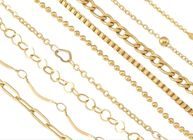
Chains
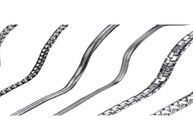
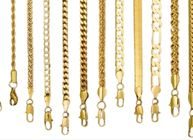
For a custom chain, consider:
- Chain style.
- Link shape.
- Link size.
- Thickness.
- Length.
- Colour.
- Plating.
- Surface finish.
- Weight.
A chain should be selected according to the pendant, clasp and overall style of the jewellery.
Gemstones and beads
Gemstone components may be customised by:
- Stone type.
- Colour.
- Size.
- Shape.
- Cut.
- Quantity.
- Combination of stones.
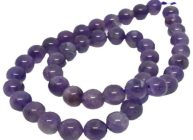
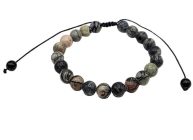
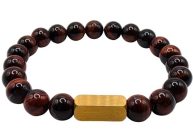
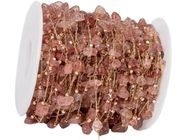
Sun Enterprises offers gemstone strings, bracelets, necklaces and loose beads, including tiger eye, lapis lazuli, rose quartz, garnet, labradorite and moonstone.
Step 4: Share your logo and branding requirements
If you want your jewellery to carry your branding, send a high-quality logo file whenever possible.
Useful formats may include:
- Vector artwork.
- A clear PDF.
- An SVG file.
- A high-resolution PNG.
- A black-and-white version of the logo.
- A version with simplified details.
Also explain:
- Where you want the logo to appear.
- The approximate size.
- Whether it should be engraved, printed, stamped or moulded.
- Which material should carry the logo.
- Which finish or plating you prefer.
- Whether the logo should be visible or discreet.
Possible branding options include:
- Engraving a logo onto leather.
- Engraving a logo onto a metal clasp.
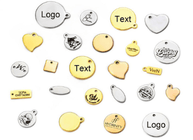
- Creating a logo tag.
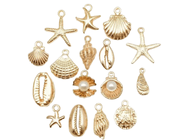
- Developing a logo charm.
- Incorporating the logo into a connector.
- Creating a custom clasp based on the brand symbol.
For a completely new component, a custom mould or tooling may be required.
Step 5: Choose materials and finishes
Materials affect the appearance, comfort, durability and cost of a component.
Depending on the design, custom components may be developed using:
- Stainless steel.
- Zamak.
- Sterling silver.
- Selected precious metals.
- Leather.
- Vegan leather.
- Gemstones.
- Silk or other stringing materials.
You should also discuss the desired finish:
- Polished.
- Brushed.
- Matte.
- Textured.
- Gold-plated.
- Silver-coloured.
- Rose-gold plated.
- Oxidised.
- Natural.
Do not describe a finish only as “gold” or “silver” if colour consistency is important. Provide a reference image, colour code, physical sample or existing component whenever possible.
Step 6: Confirm measurements
Measurements help the supplier understand how the component needs to function.
Depending on the product, include:
- Length.
- Width.
- Diameter.
- Thickness.
- Inner opening.
- Outer dimensions.
- Hole size.
- Chain link size.
- Clasp size.
- Logo dimensions.
- Cord size.
- Bracelet or necklace length.
For example, if you are ordering a custom clasp for a leather bracelet, the supplier may need to know:
- The cord shape.
- The cord diameter or width.
- The number of cords.
- The required clasp opening.
- The preferred attachment method.
- The total bracelet size.
If you do not know the exact measurement, provide an approximate size and explain what you are trying to achieve. A supplier may be able to suggest suitable options.
Step 7: Discuss quantity and budget
Quantity is an important part of custom jewellery development.
Tell the supplier:
- How many samples you need.
- Your expected first order quantity.
- Your possible repeat order quantity.
- Whether the component is for one design or several products.
- Your approximate target price.
- Whether you need a small test order before larger production.
Custom products may involve additional costs for:
- Design development.
- Artwork preparation.
- Prototypes.
- Custom moulds.
- Tooling.
- Colour development.
- Plating.
- Special packaging.
- Production setup.
The supplier can provide more accurate guidance after understanding the design and quantity.
Do not assume that every custom product has the same minimum order requirement. Minimum quantities may depend on the material, manufacturing process, mould, plating and production setup.
Step 8: Ask about sampling
A sample allows you to evaluate the design before ordering a larger quantity.
During the sampling stage, check:
- The component’s size.
- The colour.
- The material.
- The weight.
- The surface finish.
- The logo placement.
- The clasp function.
- The comfort.
- The connection with other components.
- The overall appearance.
Sampling is also the right time to identify problems. For example, you may discover that:
- The clasp is too large.
- The logo is difficult to read.
- The chain is too thin.
- The leather colour does not match the original reference.
- The gemstone size needs to change.
- The component is uncomfortable to wear.
Sun Enterprises describes sampling and product development as part of the process of evaluating materials, dimensions, logos, plating and design details before larger production.
Step 9: Review the sample and request changes
The first sample may not be perfect, and adjustments are normal.
Give clear feedback instead of saying only that something “does not look right.”
For example, explain:
- “The clasp needs to be 2 mm narrower.”
- “The logo should be smaller and centred.”
- “The leather should be darker and less glossy.”
- “The chain should have a finer link.”
- “The clasp should have a brushed rather than polished finish.”
- “The gemstone should be a lighter shade.”
Clear feedback helps the supplier understand exactly what should change.
Step 10: Approve the final specifications
Before placing a production order, create a written specification for the approved design.
Include:
- Product name or code.
- Component type.
- Material.
- Colour.
- Finish.
- Dimensions.
- Logo artwork.
- Logo position.
- Cord or chain details.
- Gemstone details.
- Quantity.
- Packaging requirements.
- Approved sample reference.
- Any special assembly instructions.
Keeping the specifications in writing helps reduce misunderstandings and makes future repeat orders easier.
What information should you send to a supplier?
A useful enquiry should include as much of the following information as possible:
- Your name and company name.
- The type of jewellery you want to create.
- A description of the design.
- Sketches or reference images.
- Logo files.
- Preferred materials.
- Preferred colours and finishes.
- Approximate measurements.
- Expected quantity.
- Target price, if available.
- Required sample quantity.
- Intended market or customer.
- Desired delivery location.
- Questions about customisation.
You do not need to have every answer. If something is undecided, say so. It is better to explain that you need advice than to provide an inaccurate specification.
Example supplier enquiry
Hello,
We are developing a leather bracelet collection for a new jewellery brand. We are interested in a dark brown round leather cord with a brushed silver magnetic clasp.
We would like to explore adding our logo to the clasp and would initially need a sample before placing a larger order.
Our estimated first order quantity is approximately [quantity]. We are also interested in matching end caps and a possible extension chain.
Please let us know which cord and clasp sizes would be suitable, whether logo engraving is possible and what information you need from us to prepare a quotation.
Kind regards,
Name
Standard components or fully custom components?
Not every product needs to be completely custom-made.
Standard components
Standard components can be useful when you:
- Need a lower development cost.
- Want to launch quickly.
- Are testing a new design.
- Need a smaller order.
- Want to compare several styles.
- Are still developing your brand identity.
Customised standard components
This may involve:
- Adding a logo.
- Choosing a custom colour.
- Changing the finish.
- Selecting a different size.
- Combining existing components in a new way.
This can offer a balance between uniqueness and practical production.
Fully custom components
Fully custom components may be appropriate when you:
- Need a unique clasp or charm.
- Want a signature brand component.
- Require a special shape.
- Need a specific technical solution.
- Plan to use the component across a large collection.
A new mould or tooling process may be required for fully custom designs.
Common mistakes beginners should avoid
Sending only an inspiration photograph
A photograph is useful, but explain what you want to copy, change or develop.
Not providing measurements
Approximate measurements are better than no measurements. If you do not know the exact size, explain the intended use.
Using unclear colour descriptions
“Dark gold” or “light brown” can mean different things to different people. Use a reference, sample or colour code where possible.
Forgetting the logo file
A low-quality logo can make engraving or mold development more difficult. Send the clearest artwork available.
Asking for a quotation without mentioning quantity
The expected quantity can affect component pricing, setup costs, tooling and production options.
Changing the design after production begins
Try to approve the materials, measurements, finish and logo before confirming production.
Focusing only on price
The cheapest component may not provide the best quality, durability, appearance or consistency for your target customer.
Not asking about samples
A sample can reveal design and compatibility issues before you commit to a larger order.
Questions to ask your jewellery supplier
Before ordering, ask:
- Can you customise this component?
- Which materials are available?
- What sizes and finishes are possible?
- Can you add my logo?
- Do I need custom tooling or a mould?
- Can I order a sample?
- What information do you need from me?
- What is the expected minimum quantity?
- What costs are associated with development?
- Can the design be repeated in future orders?
- Can you supply matching components?
- How should I prepare the artwork?
- Can you recommend a suitable cord, clasp or chain?
- What details should be confirmed before production?
FAQ
Do I need a technical drawing to order custom jewellery components?
No. A technical drawing can be helpful, but you may be able to start with a sketch, reference photograph, logo, colour sample, physical product or written description.
What are the most commonly customised jewellery components?
Common examples include leather cords, clasps, chains, logo tags, charms, pendants, beads, gemstone combinations and end caps.
Can I add my logo to a jewellery component?
In many cases, logos can be engraved, stamped, moulded or incorporated into a clasp, charm, connector or tag. The best method depends on the logo, component material and required size.
Can a supplier create a completely new clasp?
A completely new clasp may be possible, but it can require design development, tooling or a custom mould. Discuss the concept, quantity and budget with the supplier before starting development.
Can I customise the colour of leather cord?
Leather cords may be available in different colours, sizes, constructions and finishes. Some projects may also allow made-to-order or custom colour development. Provide a colour reference or physical sample whenever possible.
Can I customise a jewellery chain?
Custom chain development may involve the link style, link dimensions, thickness, length, colour, plating and finish. The requirements depend on the intended product.
Can I order a sample before placing a larger order?
Sampling may be available and is recommended for evaluating the design, materials, dimensions, logo and finish before larger production. Confirm the sample process and related costs with the supplier.
How many custom jewellery components should I order?
The appropriate quantity depends on your design, budget, expected sales and production requirements. Ask about minimum quantities before finalising the project.
Are custom components more expensive than standard components?
They can be. Custom designs may involve artwork preparation, sampling, tooling, moulds, special materials, plating or setup costs. A supplier can provide a more accurate estimate after reviewing the project.
How long does custom jewellery development take?
The timeframe depends on the complexity of the design, materials, sampling, tooling, quantity and production schedule. Confirm the estimated timeframe before approving the project.
Can I order several custom components from one supplier?
Some suppliers can provide multiple components, such as cords, clasps, chains, gemstones, findings and logo parts. Working with one supplier may simplify communication and help create a more consistent collection.
What should I do if I do not know which material to choose?
Explain your product idea, target customer, desired appearance, budget and expected use. An experienced supplier may be able to suggest suitable materials and component combinations.
Order custom jewellery components from Sun Enterprises
Ordering custom jewellery components begins with a clear conversation. You do not need to have every technical detail ready. A sketch, logo, colour reference, inspiration image or basic product description can be enough to start exploring the possibilities.
Sun Enterprises supplies leather cords, clasps, chains, gemstones, findings, beads and charms, with customisation available across many product lines. Custom options may include colour, size, finish, engraving, logo development, plating, custom chains and new moulds.
Contact Sun Enterprises about custom jewellery components
Share your idea, explain what you want to create and ask which information is needed for the next step. With the right preparation, the process becomes clearer and easier to manage—from the first concept to the final jewellery collection.


