






Softening Leather Laces: A Comprehensive Guide by Sun Enterprises
How to Soften Leather Shoelaces: A Complete Care Guide
Leather shoelaces are a stylish and durable alternative to traditional fabric laces. They add a premium, refined touch to footwear, whether used on casual shoes, boots, or fashion sneakers. However, one common challenge with leather laces is stiffness. Over time, leather can become rigid, making laces difficult to tie and uncomfortable to wear.
The good news? Stiff leather laces are not a lost cause.
At Sun Enterprises, we believe that proper care can dramatically extend the life, comfort, and appearance of leather shoelaces. In this comprehensive guide, we’ll explain why leather laces become stiff, how to soften them safely, and how to keep them flexible for years to come.
Understanding Why Leather Shoelaces Become Stiff
Before learning how to soften leather shoelaces, it’s important to understand why they lose flexibility in the first place.
Leather is a natural material, and like skin, it requires moisture and care to remain supple. Over time, leather shoelaces can become stiff due to:
- Loss of natural oils
- Exposure to air and dry environments
- Contact with water and moisture
- Lack of regular conditioning
- Heat or improper drying
Without maintenance, leather gradually dries out, causing it to harden and lose elasticity. This is completely normal and completely reversible with the right approach.
Step 1: Regular Cleaning and Conditioning
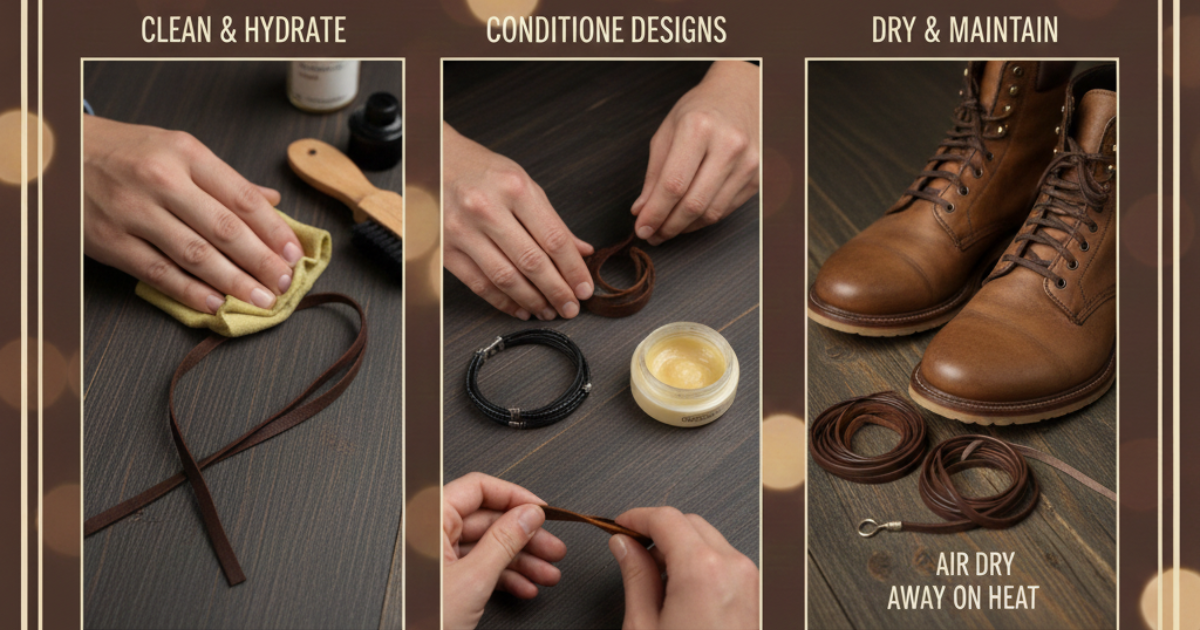
The foundation of leather lace care is cleaning and conditioning. Dirt, dust, and residue can prevent leather from absorbing moisture properly.
How to Clean Leather Shoelaces
-
Remove the laces from your shoes
-
Wipe them gently with a clean, slightly damp cloth
-
Remove surface dirt and dust
-
Let the laces air dry completely
Avoid soaking leather laces in water, as excess moisture can worsen stiffness.
Conditioning for Softness
Once dry, apply a high-quality leather conditioner. Conditioning replenishes the oils leather naturally loses over time.
At Sun Enterprises, we recommend using a leather-specific product such as a leather reviver or balm. Apply the conditioner with a soft cloth and gently massage it into the laces. Always follow the product instructions to avoid over-application.
Conditioning regularly is the most effective long-term solution for keeping leather laces flexible.
Step 2: Using Natural Oils and Leather Lotions
Another effective way to soften leather shoelaces is by using natural oils or leather lotions.
Recommended Natural Oils
- Coconut oil
- Almond oil
Apply a very small amount of oil to a clean cloth and gently rub it along the length of the laces. Allow the leather to absorb the oil naturally. If the laces remain stiff, repeat the process lightly.
⚠️ Important: Always use oils sparingly. Too much oil can darken leather or make it greasy.
Leather-Specific Lotions
Leather lotions are designed specifically to soften leather while preserving its structure. These products are often safer than household oils and are ideal for maintaining leather integrity over time.
Step 3: Gentle Heat Treatment
Heat can help loosen stiff leather fibers when used carefully.
How to Apply Heat Safely
- Use a hairdryer on low or medium heat
- Hold it at a safe distance from the laces
- Warm the leather evenly
- While warming, gently bend and flex the laces
This method helps relax the leather fibers and improves flexibility. Heat treatment is especially useful for laces that became stiff after exposure to moisture.
⚠️ Never overheat leather. Excessive heat can dry it further, crack it, or cause permanent damage.
Step 4: What to Do If Leather Laces Get Wet
Leather and water are not a good combination. Moisture removes natural oils and stiffens leather as it dries.
If your leather shoelaces get wet:
-
Remove them from the shoes
-
Let them air dry naturally
-
Keep them away from radiators, heaters, or direct sunlight
-
Once fully dry, apply conditioner or oil
Never rush the drying process with heat sources, since this is one of the main causes of hardened leather.
Step 5: Preventing Future Stiffness
Prevention is easier than restoration. To keep leather shoelaces soft and flexible:
- Condition them periodically
- Avoid excessive moisture
- Store shoes in a dry environment
- Do not overtighten laces
- Clean them gently when needed
Consistent care ensures leather shoelaces remain comfortable and visually appealing.
When to Replace Leather Shoelaces
Sometimes, leather shoelaces may be too damaged to restore. Signs that replacement is the best option include:
- Deep cracks
- Severe dryness
- Structural weakness
- Permanent stiffness despite conditioning
In these cases, replacing old laces is the safest and most effective solution.
At Sun Enterprises, we offer a wide range of high-quality leather shoelaces in various:
- Colours
- Lengths
- Thicknesses
- Leather finishes
New, well-crafted leather laces instantly refresh your footwear and restore comfort.
Why Choose Quality Leather Shoelaces
High-quality leather shoelaces are an investment. They:
- Last longer
- Age beautifully
- Provide better comfort
- Enhance footwear aesthetics
When properly cared for, leather laces can outlast standard fabric alternatives and elevate the overall look of your shoes.
Final Thoughts: Soft Leather, Better Style
Leather shoelaces combine durability with elegance, but they require proper care to perform at their best. By cleaning, conditioning, using natural oils, applying gentle heat, and avoiding moisture damage, you can keep your leather laces soft and flexible for years.
Sun Enterprises is committed to helping you maintain and upgrade your leather accessories with professional solutions and high-quality products.
Take care of your leather laces and they’ll take care of your style.


