




How to Tell if It’s Real Silk (and Why Habotai Silk Stands Out)

How to Tell If Silk Is Real: 5 Simple Tests and Why Habotai Silk Stands Out
Silk has been admired and treasured for thousands of years. From ancient trade routes to modern fashion houses, this natural fiber has symbolized elegance, refinement, and luxury. However, with the rise of synthetic alternatives such as polyester and nylon, identifying real silk has become increasingly challenging.
Many fabrics today look like silk at first glance but lack its natural qualities. Knowing how to identify genuine silk is essential, especially for designers, jewelers, and consumers who value authenticity, comfort, and quality.
In this guide, we’ll explore five reliable ways to identify real silk, explain what makes Habotai silk special, and show why it remains a favorite material in fashion and jewelry making.
Why Identifying Real Silk Matters
Real silk is a natural protein fiber produced by silkworms. Unlike synthetic fibers, it offers:
-
Breathability and comfort
-
Natural temperature regulation
-
Unique texture and movement
-
Superior dye absorption
Synthetic fabrics may imitate the look of silk, but they cannot replicate its feel, durability, or elegance. Learning how to identify authentic silk helps you make better purchasing decisions and ensures you are investing in quality materials.
5 Ways to Identify Real Silk
1. The Touch Test
One of the simplest and most effective ways to identify real silk is by touching it.
Genuine silk feels:
-
Smooth and soft
-
Slightly warm when touched
-
Gentle against the skin
Synthetic fabrics often feel colder and may have a slightly rough or slippery texture. Real silk responds to body temperature, warming quickly in your hands, while artificial fibers do not.
2. The Shine Test
Silk has a natural, subtle sheen that reflects light in a unique way. When you move silk under light, the color appears to shift slightly depending on the angle.
Real silk:
-
Has a soft, elegant glow
-
Reflects light unevenly and naturally
Synthetic fabrics like polyester often appear overly shiny, with a flat and uniform reflection that looks artificial.
3. The Ring Test
This classic test works best for lightweight silks.
Genuine silk can:
-
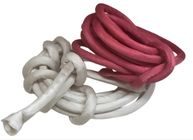
Easily slide through a ring
-
Flow smoothly due to its fine fibers
Synthetic fabrics tend to bunch up, resist movement, or feel stiff when passed through a ring. While not always definitive, this test can be a helpful indicator.
4. The Burn Test (Fabric Scraps Only)
This test should only be performed on small fabric scraps and with caution.
When burned:
-
Real silk burns slowly
-
Smells like burnt hair
-
Turns into soft, crushable ash
Fake silk melts quickly, smells like plastic, and forms hard beads. This test clearly reveals whether a fabric is natural or synthetic.
5. Price and Label Check
Real silk is a premium material, and its price reflects that.
If a product seems unusually cheap, it is likely not real silk. Always check labels for:
-
“100% silk”
-
Specific silk types such as Habotai, Mulberry, or Tussar
While labels can sometimes be misleading, combined with other tests they provide useful confirmation.
What Is Habotai Silk?
Habotai silk, often referred to as China silk, is one of the most widely used and versatile silk fabrics. It is known for its smooth texture, lightweight feel, and fluid drape.
Unlike heavier silks, Habotai offers a perfect balance between elegance and practicality.
Key Characteristics of Habotai Silk
Habotai silk is:
-
Lightweight and soft
-
Smooth with a gentle sheen
-
Comfortable against the skin
-
Easy to dye and color
It is less expensive than some luxury silks, yet remains 100% natural, making it a popular choice for both fashion and craft applications.
Common Uses of Habotai Silk
Habotai silk is widely used in:
-
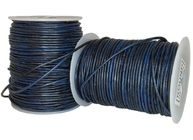
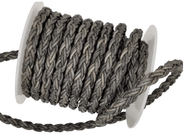
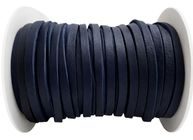
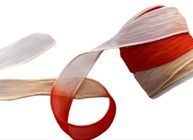
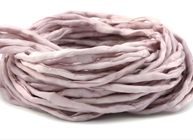
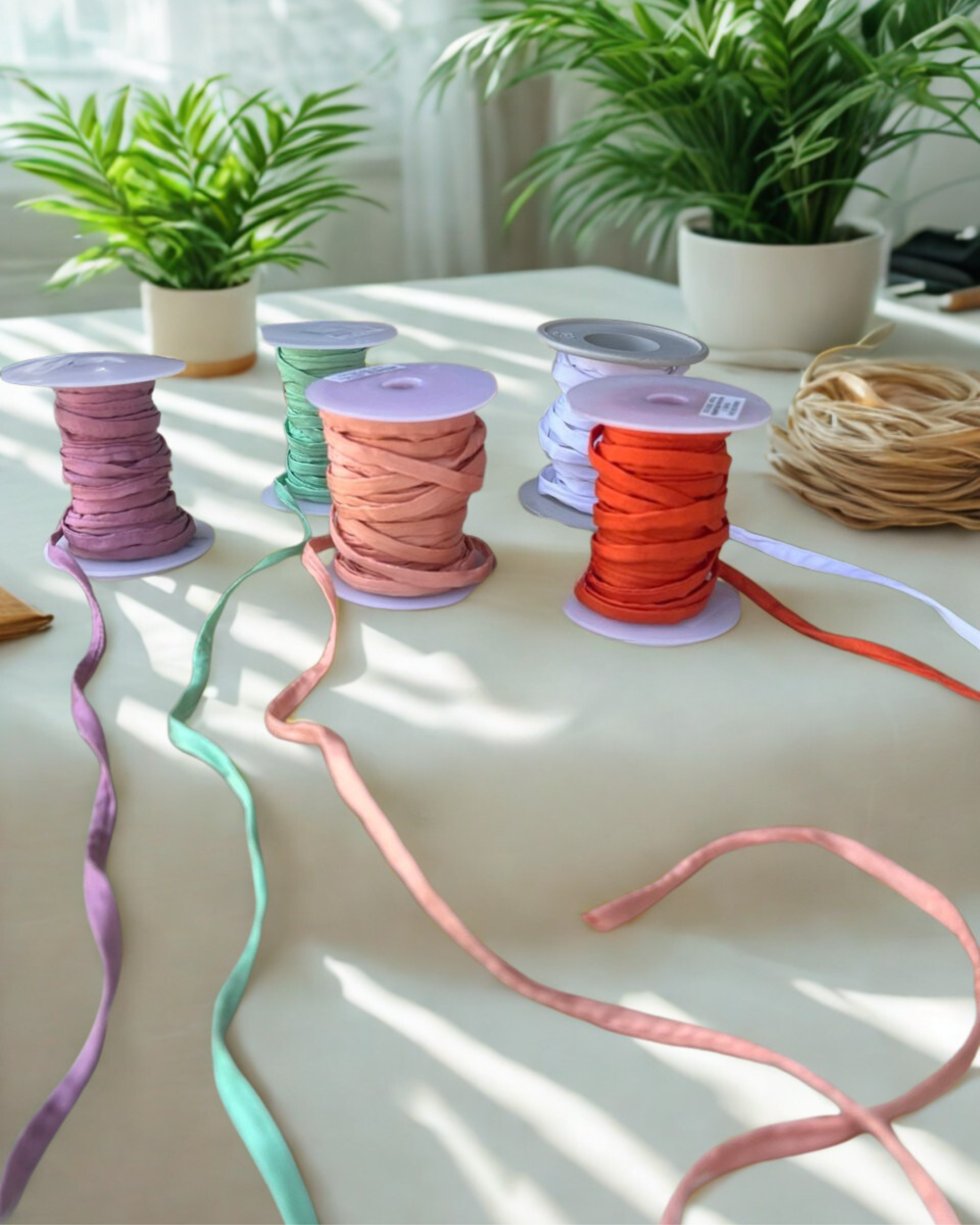
Silk ribbons and cords
-
Scarves and accessories
-
Garment linings
-
Jewelry making
-
Textile decorations
Its adaptability allows it to move seamlessly between fashion, accessories, and creative design projects.
Habotai Silk in Jewelry Making
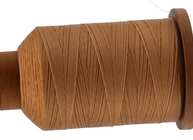
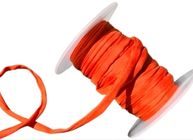
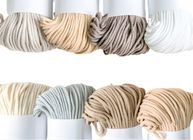
At Sun Enterprises, Habotai silk is especially valued for silk cords and ribbons used in jewelry making.
Habotai silk adds:
-
Softness and flexibility
-
A refined, natural luxury feel
-
Elegant movement to designs
Unlike synthetic ribbons, Habotai silk enhances the overall quality of jewelry pieces and pairs beautifully with metal clasps, beads, and leather components.
Color and Style Possibilities with Habotai Silk
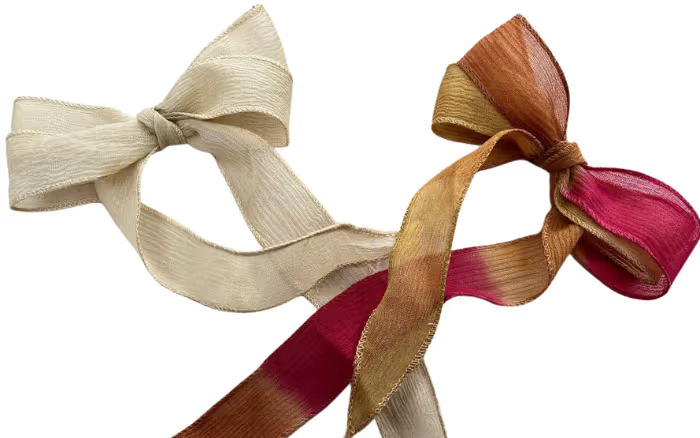
One of the standout qualities of Habotai silk is its ability to absorb dye exceptionally well.
This allows for:
-
Rich, vibrant colors
-
Long-lasting color depth
-
Subtle tonal variations
Habotai silk works perfectly for:
-
Wrapping leather bracelets
-
Creating silk necklaces
-
Adding textile elements to mixed-material jewelry
It complements both modern metallic finishes and rustic, vintage-inspired designs.
Why Designers Choose Habotai Silk
Designers around the world continue to choose Habotai silk because it offers:
-
Authentic silk quality
-
Versatility across industries
-
Ease of handling and production
-
A balance between luxury and affordability
Whether used in fashion or jewelry, Habotai silk brings refinement without unnecessary complexity.
Final Tip: Trust Your Senses and Your Source
When in doubt, always rely on a combination of tests:
-
Touch
-
Shine
-
Burn (if possible)
And most importantly, choose reliable suppliers who specialize in natural materials.
For a guaranteed authentic option, Habotai silk cords and ribbons remain a timeless favorite among designers worldwide, offering elegance, durability, and genuine luxury.


