



What Is the Difference Between Chiffon and Habotai Silk?

What Is the Difference Between Chiffon and Habotai Silk?
Silk has long been associated with luxury, refinement, and timeless elegance. Among the many types of silk fabrics available, chiffon silk and habotai silk are two of the most commonly used, yet they serve very different purposes. While both are made from silk fibers, their texture, appearance, weight, and applications vary significantly.
Understanding the difference between chiffon and habotai silk is essential for designers, brands, and anyone working with textiles. Choosing the right silk can influence not only the look of a garment or accessory, but also how it feels, moves, and performs over time.
In this article, we explore the key differences between chiffon and habotai silk, helping you determine which fabric best suits your creative and practical needs.
Understanding Chiffon Silk
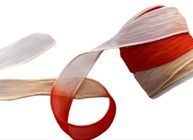
Chiffon silk is known for its lightweight, sheer, and airy nature. It is traditionally woven using a twisted yarn technique that gives the fabric its characteristic slightly rough texture and subtle elasticity.
The name “chiffon” comes from the French word for “rag” or “cloth,” but modern silk chiffon is anything but ordinary. It is delicate, flowing, and visually ethereal.
Key Characteristics of Chiffon Silk
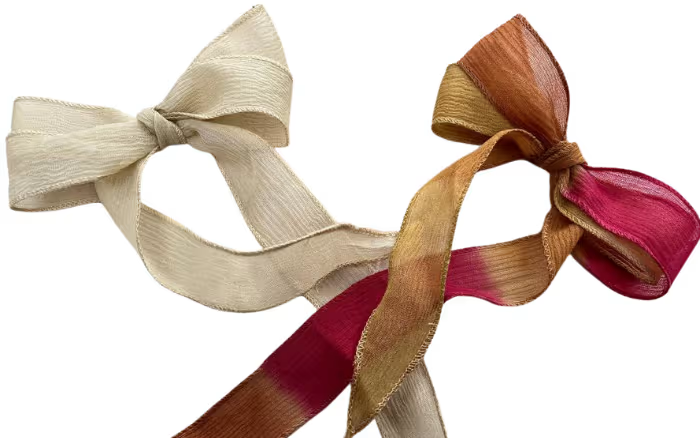
Silk chiffon is extremely lightweight and translucent. Its semi-transparent appearance makes it ideal for layering and soft draping. The fabric moves gracefully with the body, creating a floating, romantic effect.
Because of its twisted yarn structure, chiffon has a slightly grainy feel rather than a smooth surface. This texture helps the fabric hold its shape despite being very light.
Chiffon silk is often used when elegance, movement, and softness are the main priorities.
Common Uses of Chiffon Silk
Chiffon silk is widely used in:
-
Evening gowns and formal dresses
-
Blouses and tops
-
Scarves and shawls
-
Bridal wear
-
Layered fashion designs
Its transparency makes it especially popular in garments where lightness and visual depth are desired. Designers often use chiffon as an overlay fabric to add dimension without weight.
Understanding Habotai Silk
Habotai silk, sometimes called China silk, is one of the most versatile and practical silk fabrics available. Unlike chiffon, habotai silk is smooth, soft, and opaque.
Originally produced in China, habotai silk was traditionally used for linings and lightweight garments. Over time, its uses expanded due to its durability, affordability, and elegant simplicity.
Key Characteristics of Habotai Silk
Habotai silk has a smooth, even surface with a soft sheen. It is lightweight but noticeably more substantial than chiffon. Unlike chiffon, habotai silk is not sheer, making it suitable for standalone garments and accessories.
It drapes well but does not float as freely as chiffon. Instead, it offers a more controlled and structured drape.
Habotai silk is comfortable against the skin and easy to work with, making it a favorite among designers and manufacturers.
Common Uses of Habotai Silk
Habotai silk is commonly used for:
-
Blouses and shirts
-
Dresses
-
Linings for garments
-
Scarves and accessories
-
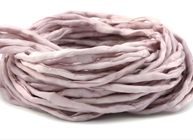
Jewelry cords and ribbons
-
Sleepwear and loungewear
Its balance between elegance and practicality makes it ideal for everyday luxury.
Texture and Feel: Chiffon vs Habotai
One of the most noticeable differences between chiffon and habotai silk is how they feel.
Chiffon silk feels light and slightly textured due to its twisted fibers. It has a delicate hand feel and can feel airy rather than smooth.
Habotai silk, on the other hand, feels soft, smooth, and cool to the touch. It is gentle against the skin and more comfortable for extended wear.
If comfort and smoothness are priorities, habotai silk is often the preferred choice.
Weight and Transparency
Chiffon silk is extremely lightweight and transparent. This makes it ideal for layering but unsuitable for garments that require opacity unless lined.
Habotai silk is lightweight but opaque. It provides coverage without heaviness, making it more versatile for a wide range of designs.
This difference plays a crucial role in choosing the right silk for specific projects.
Durability and Handling
Chiffon silk is delicate and requires careful handling. It can fray easily and is more challenging to sew due to its slippery and sheer nature.
Habotai silk is more durable and easier to work with. It holds stitches better, resists tearing, and performs well in both small-scale and large-scale production.
For projects that require frequent use or durability, habotai silk is generally more practical.
Dyeing and Color Performance
Both chiffon and habotai silk absorb dye beautifully, but the results differ.
Chiffon’s transparency creates soft, diffused colors that appear lighter and more ethereal.
Habotai silk produces richer, more even color saturation due to its opaque structure. This makes it ideal for bold colors and printed designs.
Which Silk Should You Choose?
The choice between chiffon and habotai silk depends on your project goals.
Choose chiffon silk if:
-
You want a light, floating effect
-
Transparency and layering are essential
-
The design calls for elegance and movement
Choose habotai silk if:
-
You need a smooth, comfortable fabric
-
Durability and ease of handling matter
-
You want opacity and versatility
Both fabrics offer beauty and luxury, but they serve different creative purposes.
Conclusion
While chiffon silk and habotai silk are both made from natural silk fibers, they differ significantly in texture, transparency, weight, and application. Chiffon silk is delicate, sheer, and romantic, perfect for flowing and layered designs. Habotai silk is smooth, durable, and versatile, ideal for everyday garments and accessories.
Understanding these differences allows designers and creators to choose the right silk for their projects and achieve the desired aesthetic and functionality. At Sun Enterprises we would love to help you on choosing the best silk for you.
When used correctly, both chiffon and habotai silk can elevate designs with timeless elegance and refined beauty.


