


Why Are Handmade Leather Bracelets So Popular in Europe?
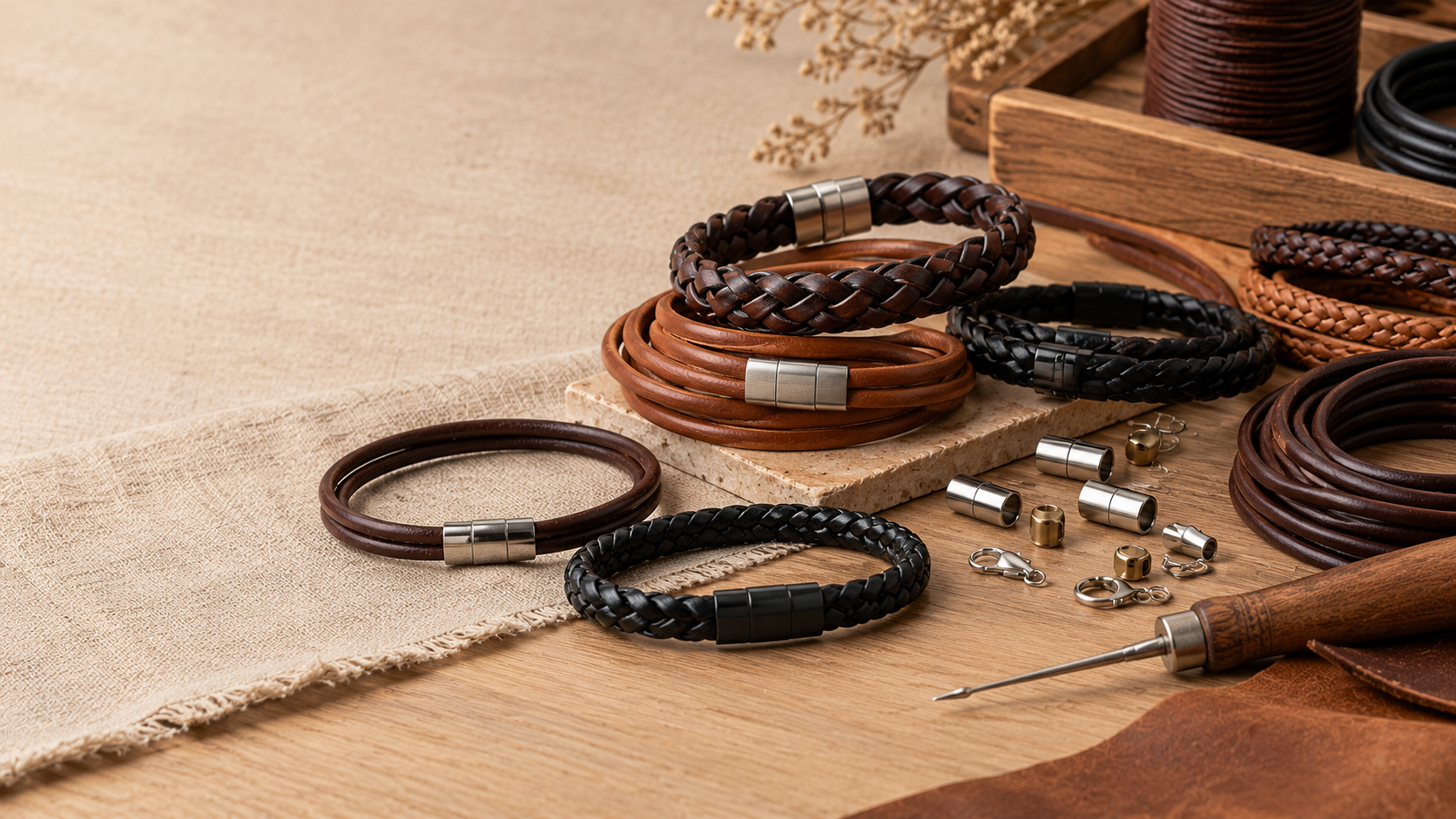
Handmade leather bracelets are popular in Europe because they combine craftsmanship, individuality, sustainability, and versatile everyday style. European shoppers increasingly value pieces that feel personal and well made, rather than mass-produced accessories.
Craftsmanship Feels Valuable
Europe has a long-standing appreciation for artisanal work, especially in countries with strong leather and jewellery traditions such as Italy, France, Spain, and Germany. Handmade Leather bracelets visibly reflect that heritage: each knot, stitch, braid, and clasp carries evidence of human skill.
This matters to buyers who want more than a generic accessory. A handmade bracelet can feel like a small piece of craftsmanship rather than another factory-made fashion item, which makes it easier to justify a higher price.
They Suit European Style
Leather bracelets work across many European fashion preferences, from minimalist Scandinavian styling to Mediterranean boho looks. A slim black leather bracelet can look refined with tailoring, while a braided tan cord bracelet pairs naturally with linen, denim, and relaxed weekend outfits.
They are also highly versatile:
- Minimalist designs suit clean, understated wardrobes.
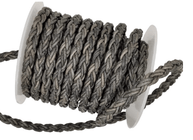
- Braided and wrap styles add texture to casual outfits.
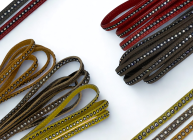
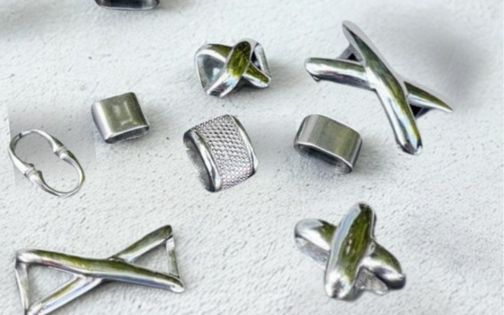
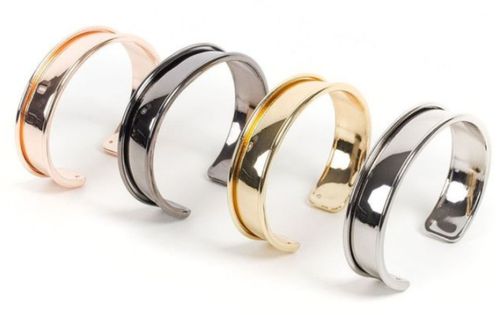
- Metal accents make leather bracelets suitable for smarter dressing.
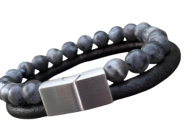
- Layered stacks allow wearers to combine leather with beads, chains, and gemstones.
Leather bracelets have also become a gender-fluid jewellery trend, worn by men and women alike and styled from casual everyday looks to more elevated outfits.
Personalisation Is in Demand
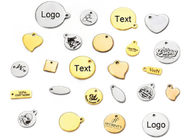
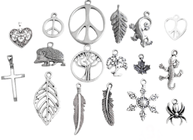
European consumers are showing growing interest in personalised and bespoke jewellery, including custom bracelets, engravings, and modular designs. Handmade leather bracelets fit this demand especially well because they can be adapted through cord colour, width, charms, beads, initials, and clasp finishes.
For many buyers, personalisation turns a bracelet into something meaningful: a gift, a travel memory, a birthstone piece, or a subtle expression of identity. This emotional value is difficult for mass-produced jewellery to replicate.
Sustainability Supports the Trend
Sustainability has become a major influence on European jewellery purchases. Research cited in European market reporting suggests that more than 70% of European consumers prefer eco-friendly products, while demand for ethical and sustainable jewellery continues to rise.
Handmade leather bracelets can appeal to this mindset when makers use responsibly sourced leather, durable construction, recycled metals, and transparent production practices. Smaller-scale production can also feel more aligned with slow fashion because it prioritises quality and longevity over disposable trends.
They Age Beautifully
Leather develops character over time. A good-quality bracelet softens, darkens slightly, and takes on a natural patina that reflects how it has been worn.
That ageing process is part of the appeal. Instead of looking worn out, a well-made leather bracelet can look more personal and authentic after months or years of use—provided the cord, dye, findings, and construction are high quality.
Strong Gift Appeal
Jewellery gifting remains important across Europe, with market analysis noting that more than 60% of European consumers purchase jewellery as gifts. Handmade leather bracelets are especially giftable because they can be personalised, styled for men or women, and offered at accessible price points without looking cheap.
They also work well for many occasions:
- Birthdays
- Anniversaries
- Father’s Day
- Christmas
- Travel souvenirs
- Friendship bracelets
- Matching couple’s bracelets
A Balance of Casual and Premium
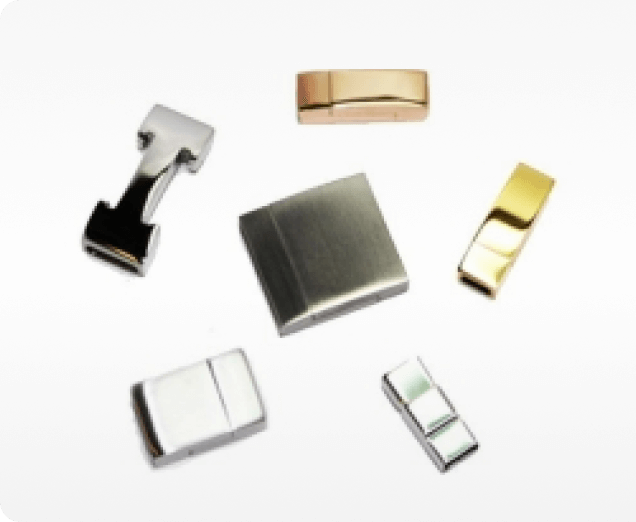
Handmade leather bracelets occupy a useful position between casual accessories and premium jewellery. They can be simple enough for daily wear, yet feel special when paired with sterling silver, gold vermeil, stainless steel, gemstones, or carefully finished clasps.
That balance explains why they remain popular with a broad audience: they are wearable, tactile, expressive, and easy to style without feeling overly formal.
Why the Trend Will Continue
The popularity of handmade leather bracelets in Europe is not just a passing fashion moment. It is supported by wider shifts toward artisanal products, personalisation, sustainability, gender-neutral jewellery, and meaningful everyday accessories.
For jewellery makers and retailers, the opportunity is clear: offer high-quality leather, thoughtful design, honest materials, and options for personalisation. A bracelet that looks good, lasts well, and tells a story will always have a stronger place in a European customer’s wardrobe than a generic mass-produced alternative.
FAQ
Why are handmade leather bracelets popular in Europe?
They appeal to European shoppers because they combine artisanal craftsmanship, individuality, durability, and versatile everyday style.
Are leather bracelets suitable for both men and women?
Yes. Leather bracelets are highly gender-neutral and can be styled minimally, casually, or with metal and gemstone accents for a more elevated look.
Are handmade leather bracelets sustainable?
They can be, especially when made with responsibly sourced leather, durable construction, recycled metals, and transparent production practices.
Do leather bracelets last a long time?
Good-quality leather bracelets can last for years. Their natural patina and softening over time often make them look more personal and characterful.
Can handmade leather bracelets be personalised?
Yes. They can be customised with cord colour, width, beads, charms, engravings, initials, birthstones, and different clasp finishes.
Are leather bracelets good gifts?
Absolutely. They work well for birthdays, anniversaries, Father’s Day, Christmas, friendship gifts, and travel souvenirs.
How should I care for a leather bracelet?
Keep it away from prolonged water exposure, perfumes, and harsh chemicals. Wipe it gently with a dry cloth and store it flat or loosely coiled.


