



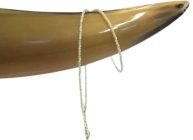
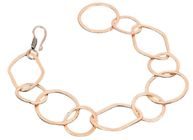
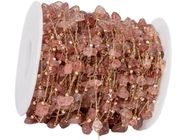
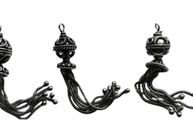




The Art of Layering Cords Chains and Pendants
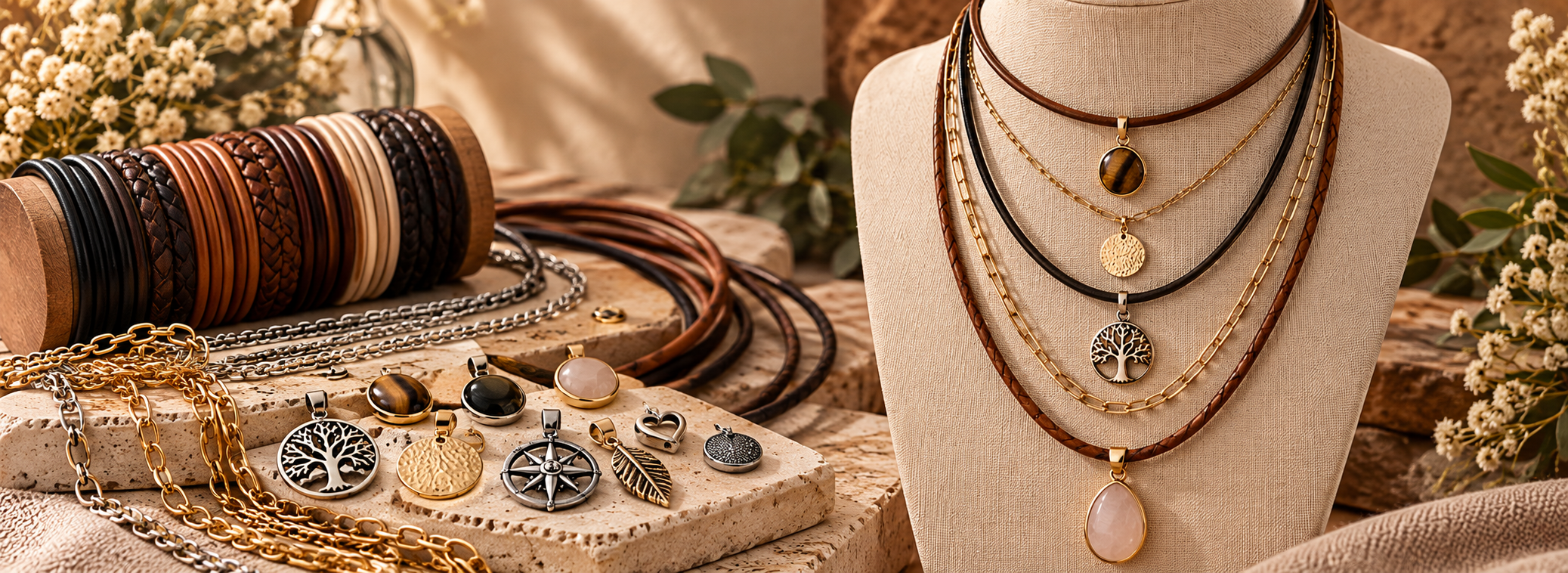
A leather cord, a delicate chain, and a meaningful pendant can each make a beautiful necklace. Bring them together, and you have the starting point for a layered design with texture, depth, and personality.
The secret to layering is not simply adding more pieces. It is giving each element enough space to contribute to the overall look. Different lengths, contrasting textures, and carefully chosen pendants help create a combination that feels intentional rather than crowded.
Whether you are making jewelry for yourself or developing a coordinated collection, this guide will help you combine cords, chains, and pendants with confidence.
Why Combine Cords Chains and Pendants?
Mixed-material jewelry creates contrast. A smooth leather cord offers a different visual texture from polished metal links, while a pendant gives the arrangement a focal point.
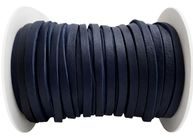
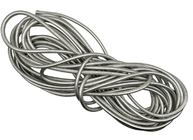
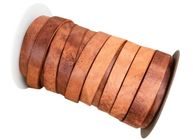
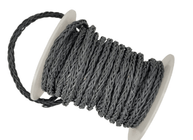
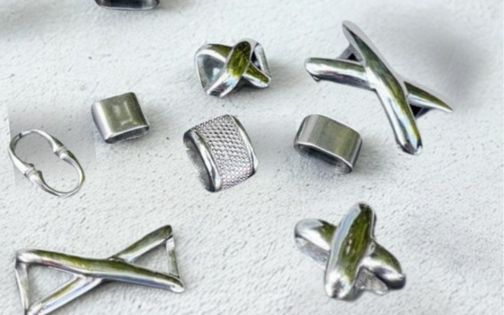
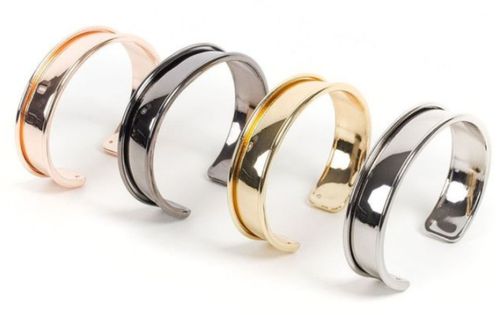
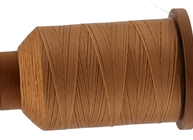
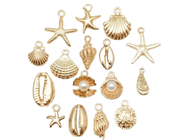
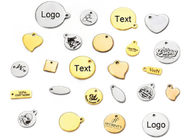
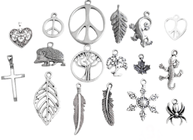
Sun Enterprises’ collections include round, flat, and braided leather cords, a variety of chain styles, and pendants designed for both cord and chain jewelry. These components offer several starting points for mixed-material designs.
Try building a combination around one of these ideas:
-
A fine leather cord paired with a delicate chain for an understated look.
-
A braided cord beside a simple metal chain for added texture.
-
A short plain necklace above a longer pendant necklace.
-
Two coordinating chains with a contrasting cord between them.
-
A colorful cord with a neutral metal pendant for a distinctive accent.
Treat these as starting points rather than fixed rules. The goal is to create contrast while keeping a visual connection between the pieces.
Start With Different Necklace Lengths
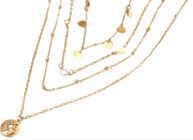
Length is one of the most useful tools in necklace layering. When every necklace falls at the same point, chains and pendants can compete for space. Graduated lengths allow the pieces to sit separately and make each layer easier to see.
A three-piece arrangement is a practical place to begin:
| Layer | Example Length | Suggested Design |
|---|---|---|
| Upper layer | 16 inches | A delicate chain or simple cord |
| Middle layer | 18 inches | A contrasting chain or small pendant |
| Lower layer | 20 or 24 inches | A longer necklace with the main pendant |
These lengths are examples, not universal fit recommendations. Tiffany identifies 16-inch, 18-inch, and 20- or 24-inch necklaces as a classic graduated combination. Adjust the spacing to suit the wearer, neckline, and pendant size.
Before finishing a handmade set, try the pieces on together. Check where the pendants fall rather than relying on necklace length alone.
Choose a Cord That Suits the Design
The cord changes the character of a layered necklace. A fine round cord creates a different effect from a wide flat cord or a textured braid.
Round Leather Cords
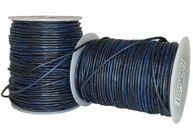
Round leather cords are a versatile choice for pendant necklaces. Sun Enterprises identifies 1.5 mm to 2 mm cords as useful options for many necklace designs, while emphasizing that the appropriate thickness depends on pendant weight, clasp choice, and the intended appearance.
For a simple layered combination, try a fine black leather cord with a small pendant beneath a shorter silver-tone chain.
Braided Leather Cords
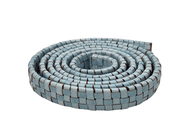
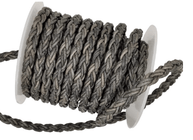
Braided leather cords introduce a more pronounced texture. Sun Enterprises lists necklaces among their applications and recommends combining them with components such as chains, beads, and metal findings.
Let the braid provide the detail, then keep the neighboring chain relatively simple.
Suede Cords
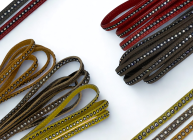
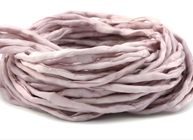
Suede cords offer a softer-looking surface and work well in mixed-material designs. Sun Enterprises specifically describes combining suede with other cord types to create textured, layered pieces.
For a relaxed design, try a muted suede cord with a small pendant and a fine chain in a coordinating finish.
Mix Chain Styles With Purpose
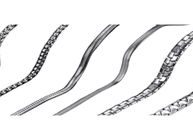
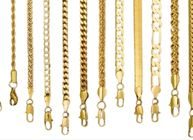
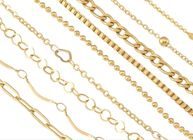
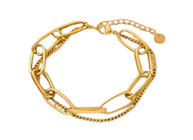
Different link patterns can add interest without requiring extra pendants. Sun Enterprises offers chain styles, including cable, curb, rope, snake, and herringbone, providing options for both delicate and more prominent designs.
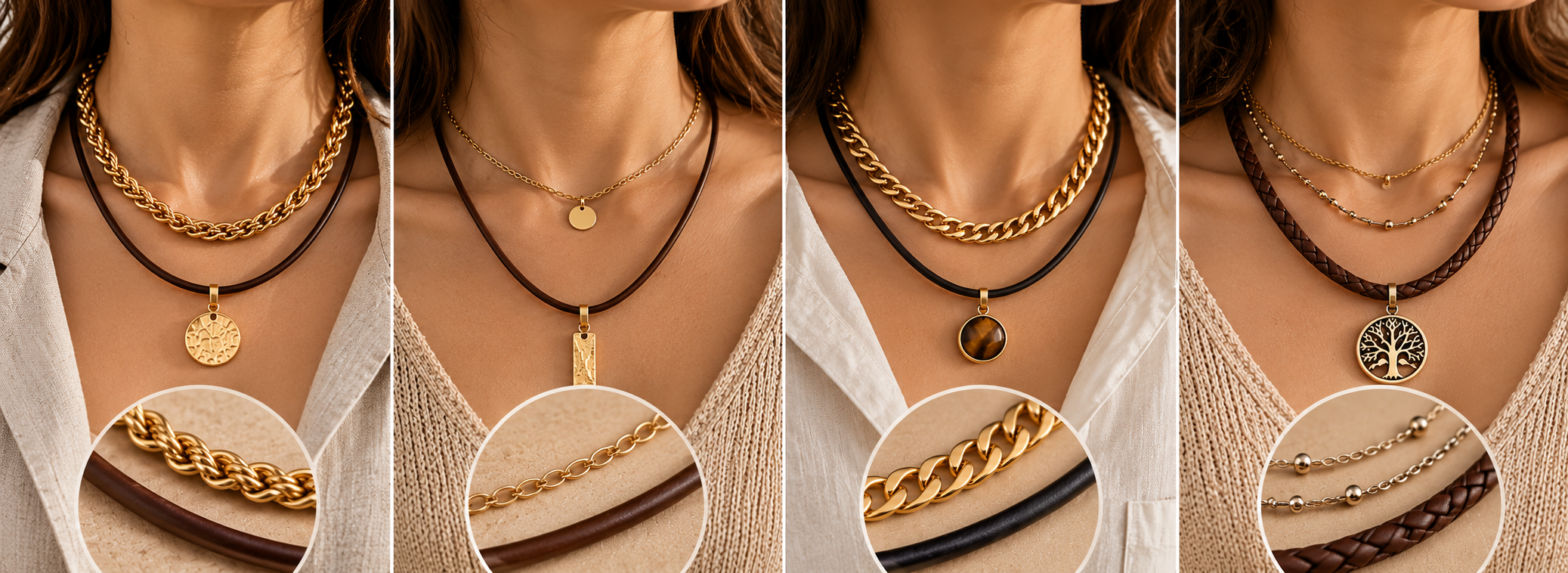
For your first combination, choose one chain with visible texture and one simpler supporting piece. For example:
-
Pair a rope-style chain with a smooth leather cord.
-
Place a delicate cable chain above a longer cord necklace.
-
Use a more prominent curb chain as the upper layer and a small pendant below.
-
Combine two simple chains with a braided cord as the main textural feature.
You do not need every piece to make a statement. A quieter supporting layer can help the most distinctive component stand out.
Give Your Pendant a Clear Role
Pendants naturally draw attention, so decide which piece should lead the design. Using different necklace lengths helps each pendant remain visible instead of overlapping with the others.
For an uncomplicated arrangement, choose:
-
One main pendant on the longest necklace.
-
A smaller charm or pendant on the middle layer.
-
A plain chain or cord on the shortest layer.
Alternatively, use just one pendant and let the differences between the cords and chains provide the remaining detail.
Match the Pendant to the Cord
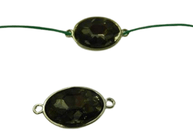
Check both appearance and physical fit. The pendant’s bail—the loop through which the necklace passes—must accommodate the cord or chain.
Sun Enterprises explains that a pendant can be threaded directly onto a leather cord through its bail or attached using a suitable jump ring and connector. Its guidance also pairs smaller pendants with finer cords and larger pendants with thicker cords as a proportional starting point.
Before assembling the necklace, check:
-
Whether the cord fits through the bail.
-
Whether the pendant hangs in the intended direction.
-
Whether the cord, connectors, and closure suit the finished design.
-
Whether the pendant can move comfortably without repeatedly catching on another layer.
Coordinate Colors and Metal Finishes
A limited color palette is an easy starting point for a coordinated design. Choose one main cord color and repeat a metal finish across the chains, pendant, and findings.
Here are a few combinations to experiment with:
| Design Direction | Cord Color | Metal Finish | Pendant Idea |
|---|---|---|---|
| Minimalist | Black | Silver-tone | Small geometric pendant |
| Warm and natural | Cognac or brown | Gold-tone | Rounded or organic shape |
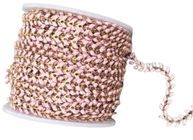
| Soft and understated | Cream or muted pink | Rose gold-tone | Small charm |
| Bold and contemporary | Burgundy or navy | Silver-tone | Larger focal pendant |
| Relaxed and textured | Taupe suede | Antique-style finish | Simple symbolic pendant |
These are creative suggestions rather than rules. Mixed metals can also work in layered jewelry; varying metal colors, lengths, and weights is one approach highlighted in Swarovski’s layering guidance.
If you mix finishes, try repeating one of them in another component so the combination feels connected.
Create a Layered Necklace in Five Steps
1. Choose Your Focal Piece
Start with the pendant, cord, or chain you most want to feature. It might be a personal charm, a textured braid, or a distinctive chain.
2. Add a Contrasting Material
If your focal piece uses leather, add a metal chain. If it uses a prominent chain, try a simpler cord necklace beside it.
3. Set the Lengths
Arrange the necklaces at separate lengths so the main elements have room to show. Graduated lengths are a well-established approach to creating a balanced layered arrangement.
4. Select Compatible Findings
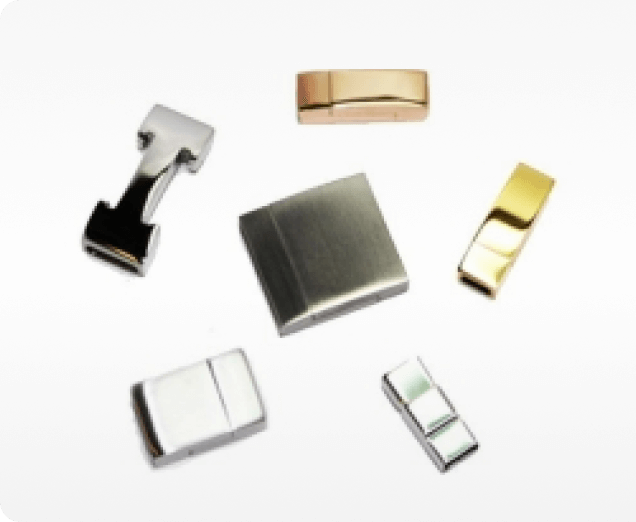
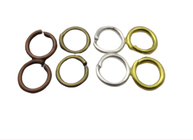
Match cord ends and clasps to the dimensions of the cord. Check the fit of pendant bails, jump rings, and connectors before final assembly. Sun Enterprises emphasizes cord and clasp compatibility in its leather cord guidance.
5. Test the Complete Arrangement
Try the pieces on together before committing to the final lengths. Look at the arrangement while standing and sitting, and check whether the pendants overlap or the closures feel bulky.
For a collection, record the finished lengths and component choices so you can reproduce the combination consistently.
How to Reduce Tangling in Layered Necklaces
No layered combination is guaranteed to stay tangle-free, but thoughtful spacing and material choices can help.
Tiffany recommends distinct lengths, different chain weights, and varied pendant sizes to maintain separation. Swarovski similarly highlights differences in length, texture, and weight when combining necklaces.
For a practical starting point:
-
Avoid placing every necklace at nearly the same length.
-
Mix textures rather than using several identical fine chains.
-
Give the main pendant space below the upper layers.
-
Begin with two pieces and add another only if the arrangement remains comfortable.
-
Store necklaces separately when they are not being worn.
Layering Ideas for Your Next Jewelry Project
Everyday Minimalist Layers
Combine a short silver-tone chain with a longer black leather cord and a small geometric pendant. Keep the palette simple and allow the difference between leather and metal to provide interest.
Warm Neutral Layers
Pair a cognac cord with a gold-tone chain and a small rounded pendant. Add a third, plain chain only if you want more depth.
Textured Statement Layers
Use a braided leather necklace as the main feature. Add a simpler chain at a different length and keep additional pendants minimal.
Personalized Layers
Place an initial, meaningful symbol, or birthstone-style pendant on the longest necklace. Add a plain cord or chain above it so the personal detail remains the focal point.
Coordinated Sets for Jewelry Collections
Develop a small group of pieces that can be worn separately or together. Repeat a cord color, pendant shape, or metal finish across the set, while varying the lengths.
This gives the collection a consistent visual theme without requiring every necklace to look the same.
FAQ
Can you wear leather cords and metal chains together
Yes. Leather cords and chains can be combined in mixed-material jewelry. Sun Enterprises lists chains among the components that work with its braided leather cords. Choose different lengths and complementary proportions when planning the arrangement.
How many necklaces should you layer
There is no fixed number. Two pieces offer a simple starting point, while three allow you to create a short, middle, and long arrangement. Tiffany’s layering guidance uses a trio of graduated lengths as a classic example.
What necklace lengths work well together
A 16-inch, 18-inch, and 20- or 24-inch combination is a useful starting point. Adjust the lengths to suit the wearer, pendant dimensions, and clothing neckline.
What leather cord thickness should I use for a pendant necklace
Sun Enterprises recommends 1.5 mm to 2 mm round leather cords as versatile options for many necklaces. The final choice should account for pendant weight, the bail opening, clasp compatibility, and the desired style.
Can you layer more than one pendant
Yes. Place the pendants at different lengths so each remains visible. Using one main pendant and a smaller supporting pendant is a simple design approach.
How can you stop layered necklaces from tangling
You cannot eliminate tangling entirely, but different lengths, weights, and textures can help keep the pieces separated. Store each necklace separately between wears.
Can you mix gold-tone and silver-tone jewelry
Yes. Mixed metals are an option in layered jewelry. For a coordinated design, try repeating a finish in more than one element, such as a chain and pendant detail.
How do you attach a pendant to a leather cord
If the bail is large enough, thread the cord directly through it before attaching the closure. Alternatively, use a suitable bail, connector, or jump ring arrangement that fits the pendant and cord.
Explore Cords Chains and Pendants at Sun Enterprises
Bring your layered jewelry ideas to life with leather cords, chains, pendants, and findings from Sun Enterprises. Explore different textures, colors, and component styles to create anything from a simple two-piece combination to a coordinated jewelry collection.


