



The Best Jewelry Making Tools for Beginners
The Best Jewelry Making Tools for Beginners: A Simple and Complete Guide
Starting jewelry making is exciting. You imagine beautiful bracelets, necklaces, and earrings coming to life in your hands. But when you first begin, choosing the right tools can feel confusing. There are so many options, and it is easy to either buy too much or miss something important. The good news is that you don’t need a big workshop to start. With a few basic tools, you can already create high-quality jewelry at home.
In this guide, we will walk through the best jewelry making tools for beginners, explain what each one is used for, and help you build your first simple and effective toolkit with confidence.
Why the Right Tools Matter in Jewelry Making
Good tools make your work easier, cleaner, and more enjoyable. When tools are poor quality or wrong for the job, they can damage materials, hurt your hands, and make your designs look unprofessional. Proper tools help you:
-
Work more accurately
-
Finish jewelry neatly
-
Save time and materials
-
Improve comfort and safety
-
Gain confidence in your skills
For beginners, starting with the correct basic tools builds a strong foundation for future growth.
1. Round-Nose Pliers (Your First Must-Have Tool)
Round-nose pliers are used mainly for creating loops in wire. These loops are needed for:
-
Earrings
-
Bracelets
-
Connecting beads
-
Attaching clasps
The tips of these pliers are smooth and round, which helps you make neat, professional loops without damaging the wire. This is one of the most important tools for beginners and will be used in almost every project.
2. Flat-Nose Pliers for Holding and Bending
Flat-nose pliers have wide, flat tips and are used to hold parts firmly. They are perfect for:
-
Opening and closing jump rings
-
Holding wire while shaping
-
Straightening bent components
These pliers give you control and stability while assembling your jewelry. They are also useful when working with clasps and connectors.
3. Wire Cutters for Clean Trimming
You will need wire cutters to cut:
-
Jewelry wire
-
Head pins
-
Eye pins
-
Thin chains
Sharp wire cutters ensure clean cuts without rough edges. Clean cuts are important for safety and for giving your jewelry a polished finish. Never use ordinary household scissors on wire, as this can damage both the scissors and the wire.
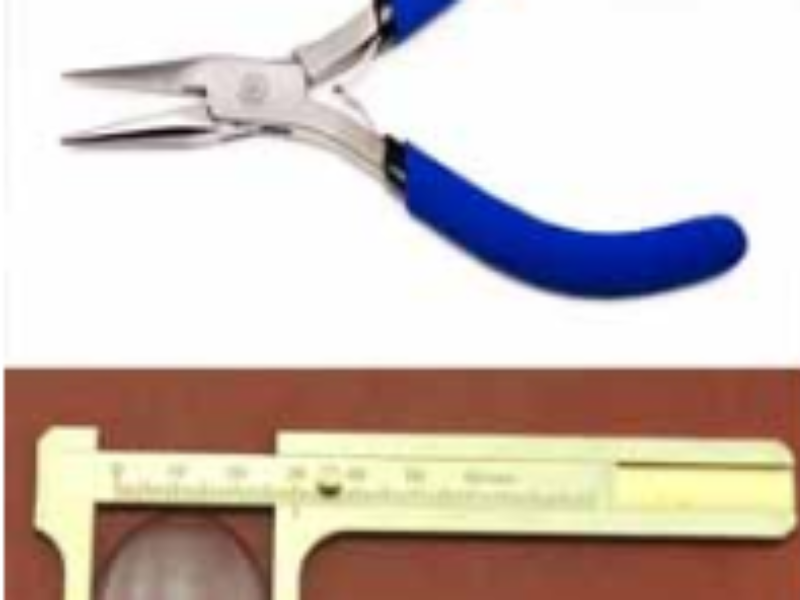
4. Chain-Nose Pliers for Precision Work
Chain-nose pliers look similar to flat-nose pliers, but their tips are narrower. They allow more detailed and precise work in small spaces. Beginners often use them when:
-
Closing small jump rings
-
Working with tiny beads
-
Making tight wire bends
Many beginners later find that chain-nose pliers become their most used tool.
5. Beading Needles for Small Beads
If you plan to work with seed beads or tiny glass beads, a beading needle is essential. These needles are much thinner and longer than regular sewing needles, allowing them to pass easily through small bead holes. They are used for:
-
Bead weaving
-
Stringing seed beads
-
Detailed decorative work
Flexible beading needles are especially good for beginners because they bend slightly and reduce breakage.
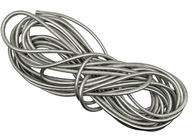
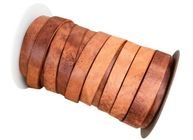
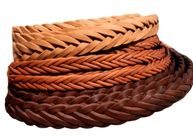
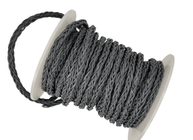
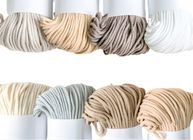
6. Jewelry Wire and Stringing Materials
Tools alone are not enough without the right materials. Beginners should keep a small selection of:
-
Jewelry wire (soft and medium strength)
-
Elastic cord for stretch bracelets
-
Nylon thread for lightweight designs
-
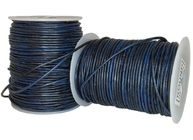
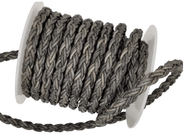
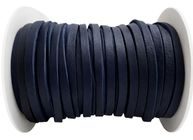
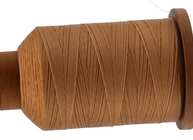
Leather cord or waxed cotton for casual styles
Different jewelry designs require different stringing materials, so having a variety helps you explore multiple techniques.
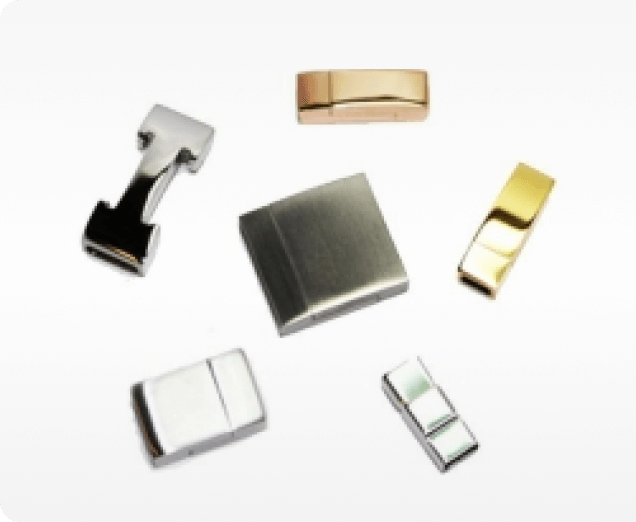
7. Jump Rings and Clasps
Jump rings and clasps are small but extremely important. They connect parts of your jewelry and allow it to open and close. Beginners should have:
-
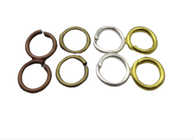
Open jump rings in several sizes
-
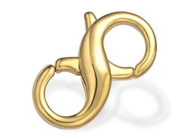
Lobster clasps
-
Toggle clasps
-
Magnetic clasps
Good clasps improve both the appearance and safety of your finished jewelry.
8. Beading Mat or Soft Work Surface
Beads love to roll everywhere. A beading mat keeps your beads in place and protects them from damage. It also prevents small parts from bouncing onto the floor and getting lost. If you don’t have a mat, a soft towel can work as a temporary solution, but a beading mat is much more comfortable for long sessions.
9. Measuring Tools for Accuracy
Jewelry should fit well to be comfortable. A simple ruler or measuring tape helps you:
-
Measure wrist and neck size
-
Cut wire to the correct length
-
Keep designs symmetrical
Accurate measurements improve both comfort and professional appearance.
10. Storage Boxes for Organization
Beginners quickly discover how fast beads and tools can spread everywhere. Small storage boxes help you keep everything clean and organized. Use separate sections for:
-
Beads
-
Findings
-
Clasps
-
Tools
Good organization saves time, prevents loss, and keeps your workspace stress-free.
Should Beginners Buy a Jewelry Tool Kit?
Many beginners choose to start with a ready-made jewelry tool kit. These kits usually include:
-
2–3 types of pliers
-
Wire cutters
-
Basic findings
-
Sometimes beads and string
Tool kits are a good way to save money at the beginning, but always check quality. Some kits include tools that are too weak for long-term use. As your skills grow, you can slowly upgrade individual tools.
Common Beginner Mistakes When Buying Jewelry Tools
Many beginners make similar mistakes when shopping for tools. Try to avoid:
-
Buying very cheap tools with sharp rough edges
-
Buying too many tools at once
-
Ignoring comfort and grip quality
-
Using household tools instead of jewelry tools
-
Mixing poor tools with expensive materials
Start with a small, high-quality set and expand gradually.
How to Care for Your Jewelry Making Tools
Taking care of your tools helps them last longer and stay safe to use.
Basic care tips:
-
Wipe tools after use
-
Store in a dry place
-
Keep wire cutters sharp and clean
-
Avoid dropping tools
-
Never use jewelry tools for heavy household tasks
Good care keeps your tools smooth and prevents damage to delicate jewelry materials.
How the Right Tools Build Confidence in Beginners
Using proper tools changes everything for a beginner. When wire bends smoothly, beads sit neatly, and clasps close securely, beginners feel motivated to continue learning. The right tools allow beginners to focus on creativity instead of fighting with materials.
Many professional jewelry makers today started with only a few simple tools. What matters most is practice, patience, and curiosity.
Final Thoughts
Starting jewelry making does not require a large investment or a professional studio. With a basic set of quality tools, any beginner can begin creating beautiful and meaningful jewelry at home. The key is to start simple, learn the basics well, and slowly build skills and confidence.
As your creativity grows, your tool collection can grow with you. What begins as a hobby may one day turn into a passion, a side business, or even a full-time profession. Every great jewelry maker once started with their very first pair of pliers.
All of these tools can be purchased at Sun Enterprises!


