










The Outdoor Cover Market Has a Material Problem
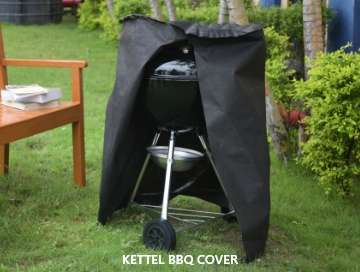
The European outdoor furniture market is growing. That part is not in question. Analysts consistently project continued expansion through the late 2020s, driven by consumer spending on home and garden spaces, the post-lockdown shift toward outdoor living, and rising average purchase values for garden furniture across Western Europe.
What is lagging behind is the cover market that supports it.
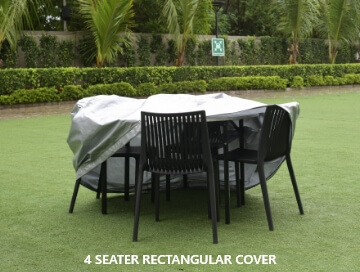
Protective covers for garden furniture are not a premium category yet, even though they arguably should be. A consumer who spends €800 on a rattan dining set will often receive a €12 polyester bag with it, or buy a generic HDPE tarp from a hardware store. The cover is an afterthought. For the B2B companies that manufacture and source those covers, the material conversation has not moved much in the past decade either.
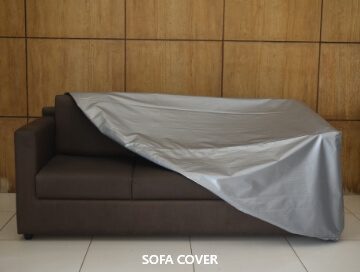
The two dominant materials both have significant weaknesses. Woven polyester with PVC coating is familiar and processable, but it is not recyclable, its waterproofing relies on a surface treatment that degrades over time, and it is losing ground with retailers that are beginning to apply sustainability filters to their supplier lists. Standard HDPE tarpaulin is cheap and widely available, but the UV stabilisation is inconsistent, and once a tear starts, it propagates. Neither material is particularly easy to differentiate on. They compete mainly on price, which is not a good position when margins are already thin.
The sustainability dimension is going to create pressure sooner than many buyers expect. The EU's circular economy agenda is moving from voluntary frameworks toward enforceable requirements, and large retail channels are increasingly applying their own screening criteria ahead of regulation. A cover material that is 100% recyclable, tested for UV weathering by an independent third party, and backed by verifiable technical documentation is not just a nice-to-have; it is increasingly a prerequisite for listing with quality-conscious retailers and marketplace programmes.
The sourcing information gap is also real. B2B buyers looking for alternative cover materials currently have limited options for accessing technical data, independent test results, or direct manufacturer contact through digital channels. Much of the market still runs on trade show introductions and personal networks.
That is the gap we have been thinking about. More from us very soon!


