


The Art of Mixing Colors, Textures, and Materials in Jewelry Design
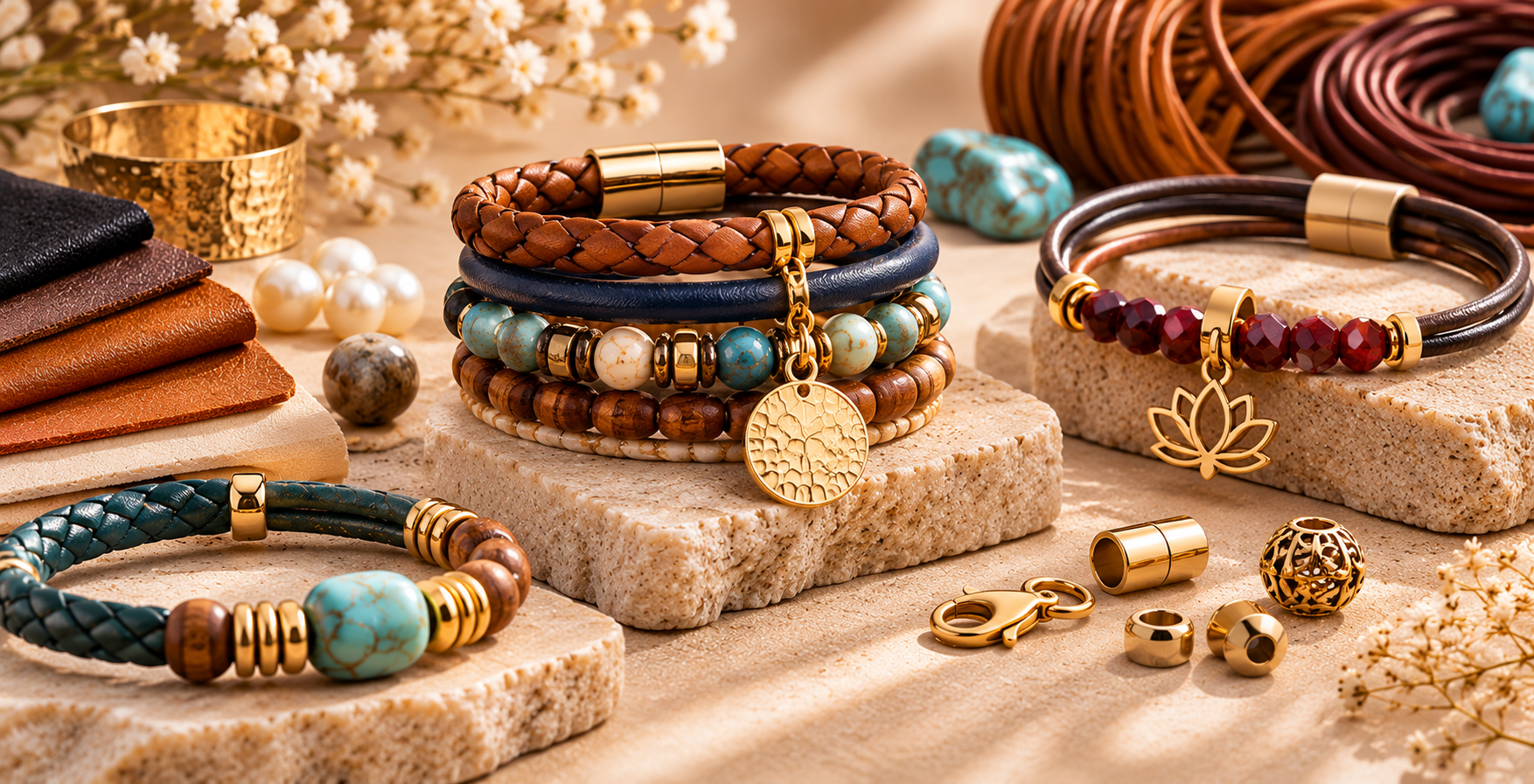
Great jewelry design is not only about choosing beautiful components. It is also about knowing how to combine them. The right mix of colors, textures, and materials can turn simple elements into a piece that feels balanced, modern, and memorable.
Whether you design leather bracelets, beaded necklaces, metal earrings, or mixed-media accessories, thoughtful combinations help create a recognizable style. This guide explores practical ways to mix colors, textures, and materials while keeping your jewelry collection cohesive.
Why Mixing Materials Matters in Jewelry Design
Jewelry becomes more interesting when it offers contrast. A smooth leather cord next to a polished metal clasp, a matte bead beside a shiny gemstone, or a soft textile element combined with structured metal all create visual interest.
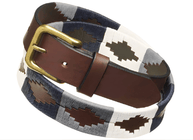
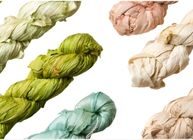
Mixing materials also allows designers to tell a story. Leather can bring warmth and craftsmanship, metal adds shine and structure, gemstones introduce color, and textiles create softness. Together, these elements can make a piece feel more personal and distinctive.
Start With a Clear Color Palette
A strong color palette is the foundation of good jewelry design. Instead of using too many colors at once, choose two or three main colors and add one accent color for contrast.
Popular Color Combinations
-
Black and gold: A timeless combination that feels elegant and luxurious.
-
Cognac, cream, and brass: Warm, natural tones that work beautifully with leather.
-
Navy, silver, and gray: A clean, modern palette for everyday jewelry.
-
Burgundy, blush, and rose gold: A romantic combination for feminine designs.
-
Olive, mustard, and antique bronze: Earthy tones that suit bohemian and artisan styles.
-
White, turquoise, and silver: A fresh, summery palette that feels light and expressive.
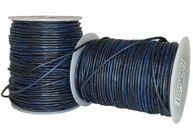
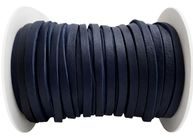
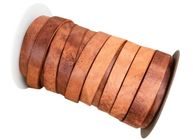
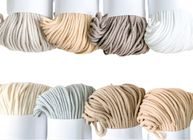
When using leather cords, choose a base color that complements the metal and beads. For example, black Nappa leather pairs well with gold hardware, while cognac leather looks especially rich with antique brass.
Balance Bold and Neutral Colors
Bold colors can make jewelry stand out, but they work best when balanced with neutral tones. If your design includes a bright turquoise bead, consider pairing it with black, cream, gray, or natural leather.
A simple rule is to let one color lead the design. Use neutral materials for the base, then add a bold accent through a bead, charm, thread, or metal detail. This keeps the piece expressive without making it feel crowded.
Mix Textures for Depth and Interest
Texture is just as important as color. Two materials can share the same color but still look completely different because of their surface finish.
Effective Texture Combinations
-
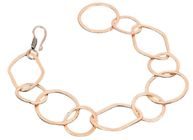
Smooth leather with hammered metal: Soft against structured.
-
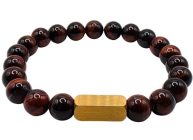
Matte beads with polished clasps: Understated with refined shine.
-
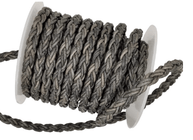
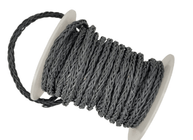
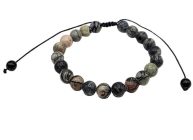
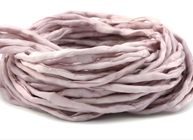
Braided cord with smooth gemstones: Handmade texture beside natural polish.
-
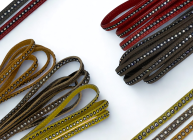
Suede with metallic accents: Warm and tactile with a modern edge.
-
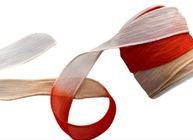
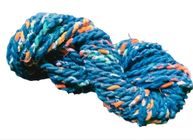
Woven textiles with leather cord: Soft layers combined with durable structure.
-
Raw stone with polished metal: Organic shapes beside clean finishes.
Texture adds depth, especially in minimalist designs. Even a simple bracelet can feel premium when a smooth leather cord is paired with a textured bead or brushed metal clasp.
Combine Materials With Purpose
Mixed-material jewelry works best when every material has a role. Avoid adding elements only because they look attractive on their own. Instead, think about how each component supports the overall design.
Common Material Combinations
| Material Pairing | Design Effect |
|---|---|
| Leather and metal | Modern, premium, and versatile |
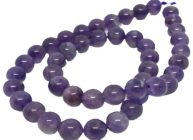
| Leather and gemstones | Natural, artisanal, and expressive |
| Leather and pearls | Soft, elegant, and feminine |
| Metal and resin | Contemporary and colorful |
| Wood and metal | Warm, organic, and balanced |
| Textiles and leather | Layered, tactile, and handcrafted |
| Glass beads and cord | Playful, colorful, and lightweight |
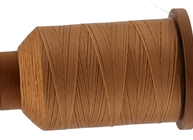
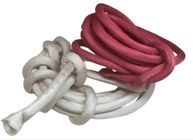
Leather cords are especially useful in mixed-material jewelry because they connect easily with metal clasps, beads, pendants, and charms. Their softness balances harder materials such as stainless steel, brass, and gemstones.
Use Metal Finishes Carefully
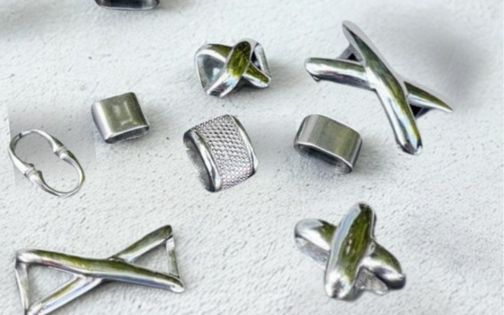
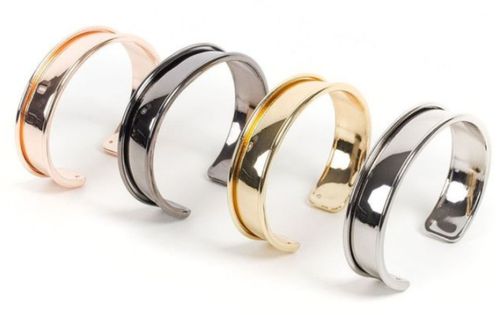
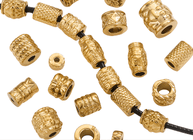
Metal can unify a jewelry design, especially when the finish is consistent. Gold, silver, rose gold, antique brass, gunmetal, and matte black each create a different mood.
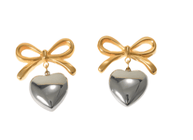
For a clean and cohesive look, choose one main metal finish per piece. If you want to mix metals, keep the difference subtle or repeat both finishes throughout the design so they feel intentional.
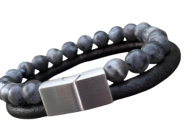
For example, a black leather bracelet with gold magnetic clasps and gold accent beads feels refined. Adding silver randomly can make the design look less coordinated unless the contrast is deliberate.
Create Focal Points
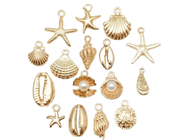
Every jewelry piece benefits from a focal point. This could be a large gemstone, an engraved charm, a statement bead, a metal pendant, or a contrasting knot.
Once you choose the focal point, keep the surrounding elements simpler. A bold centerpiece works best with quieter colors and smoother textures. This helps guide the eye and gives the design a clear sense of balance.
Think About Proportion and Scale
Proportion affects how comfortable and wearable a jewelry piece feels. Large beads, wide cords, and heavy metal components should be balanced with lighter elements.
For example, a thick leather cord can support a larger pendant, while a thin cord works better with small beads and delicate charms. Keeping scale consistent prevents the design from looking unbalanced.
Design for Wearability
A beautiful jewelry piece should also be comfortable. Consider the weight, flexibility, and skin feel of the materials you use.
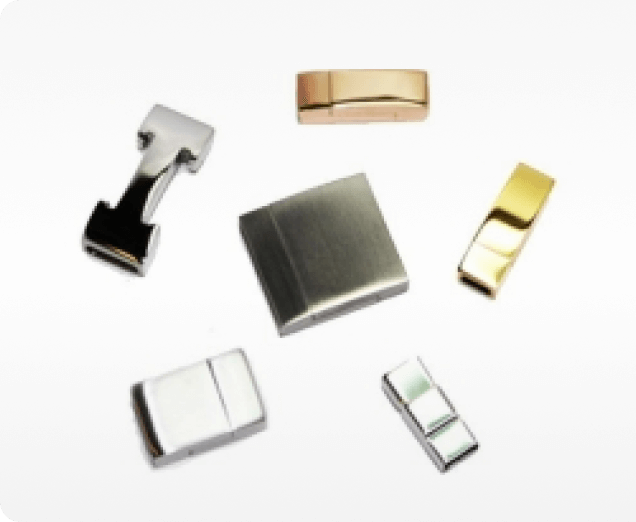
Leather cords are popular because they are soft and flexible, making them comfortable for bracelets and necklaces. Stainless-steel magnetic clasps add security and a clean finish, while lightweight beads help keep larger designs comfortable to wear.
Build a Cohesive Jewelry Collection
Mixing colors and materials works best when there is a consistent design language across the collection. You can use different combinations while keeping shared elements, such as the same metal finish, cord color family, or signature charm.
For example, a collection might include black, cognac, and taupe leather cords, paired with gold clasps and neutral gemstones. Each piece can look different, but the shared materials make the collection feel unified.
Common Mistakes to Avoid
-
Using too many colors in one design.
-
Combining materials without considering weight or scale.
-
Mixing too many metal finishes.
-
Adding texture without a clear focal point.
-
Choosing components that do not fit the cord diameter.
-
Creating designs that look good on display but feel uncomfortable when worn.
FAQ
How many colors should I use in one jewelry design?
Two or three main colors are usually enough. You can add one accent color for contrast, but avoid using too many colors in a single piece.
What materials work well with leather cords?
Leather cords pair well with metal clasps, gemstones, beads, pearls, wood, resin, and textile elements. They are especially effective in bracelets, necklaces, and bag charms.
How do I mix metals in jewelry design?
Choose one main metal finish and use the second finish sparingly. Repeat both finishes throughout the design so the combination looks intentional rather than accidental.
What is the best way to add texture to jewelry?
Combine smooth and textured elements, such as polished beads with braided cord, matte stones with shiny clasps, or soft leather with hammered metal.
How do I make mixed-material jewelry look cohesive?
Use a consistent color palette, repeat key materials, and keep the metal finish or overall style consistent across the design.
Can I mix leather and gemstones?
Yes. Leather and gemstones create a natural, artisanal look. Use smooth gemstones with soft leather cords for a balanced contrast between organic and polished materials.
What is a focal point in jewelry design?
A focal point is the main element that draws attention, such as a pendant, large bead, engraved charm, or contrasting color. The rest of the design should support it without competing with it.
How do I choose the right clasp for a leather cord bracelet?
Choose a clasp that matches the cord diameter and profile. Magnetic clasps, end caps, and connector clasps are popular options for leather cord jewelry.
Explore Materials for Your Next Jewelry Collection
At Sun Enterprises, you can find a wide selection of leather cords, jewelry findings, magnetic clasps, beads, and components to bring your design ideas to life. From smooth Nappa leather cords to stainless-steel findings and colorful accents, our collection supports both small-batch makers and professional jewelry manufacturers.
Whether you are creating a minimalist bracelet line or a bold mixed-material collection, the right combination of colors, textures, and materials can help your jewelry stand out.


