



How to Combine Different Materials to Create Unique Jewellery Designs
How to Combine Different Materials to Create Unique Jewellery Designs
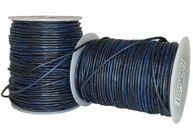
Some of the most distinctive jewellery designs come from combining materials that would not traditionally be used together. A leather cord paired with natural gemstones, silk stringing material, or decorative beads and charms can transform a simple accessory into something unique.
For jewellery designers, independent brands and manufacturers, mixing materials is more than a creative exercise. It is an opportunity to develop recognisable collections, introduce new product variations and respond to customer preferences.
However, successful mixed-material jewellery requires more than choosing attractive colours and textures. Material compatibility, durability and construction all play an important role, particularly when developing products for commercial production.
Here are some practical ways to combine different materials and create jewellery designs that are both distinctive and suitable for production.
1. Combine Contrasting Textures
Texture is one of the easiest ways to make jewellery designs more interesting. Combining soft, smooth, rough and polished surfaces creates contrast without requiring complicated shapes or excessive decoration.
Some combinations worth exploring include:
-
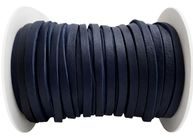
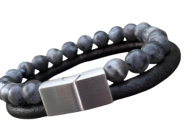
Leather and metal: The natural texture of leather cords contrasts beautifully with polished metal components. This combination works particularly well for bracelets and contemporary necklaces.
-
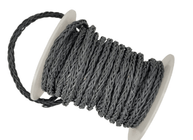
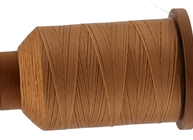
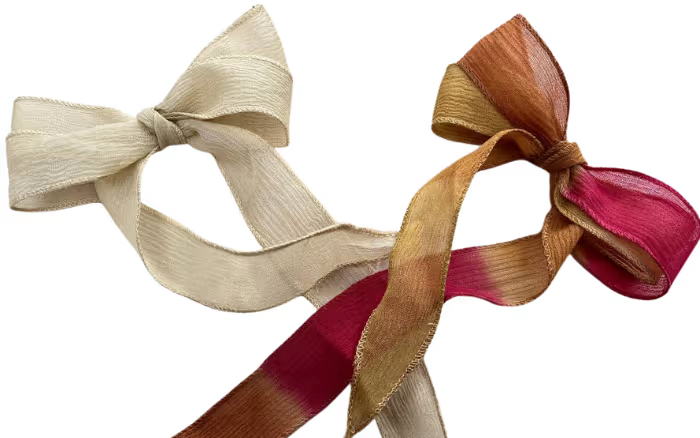
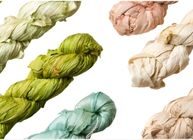
Silk and gemstones: Soft silk cords complement the natural colours and surfaces of gemstone beads, making them ideal for elegant necklaces and bracelets.
-
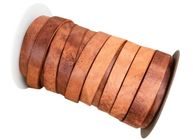
Suede and decorative beads: Suede offers a relaxed appearance, while colourful beads introduce additional texture and detail.
-
Pearls and leather: Combining traditional pearls with leather creates a contemporary interpretation of classic jewellery.
The key is to choose one material as the main feature and use the others to complement it. This keeps the design balanced and allows each material to stand out.
2. Mix Natural Materials with Metal Components
Combining natural and industrial materials is an effective way to create jewellery that feels both contemporary and distinctive.
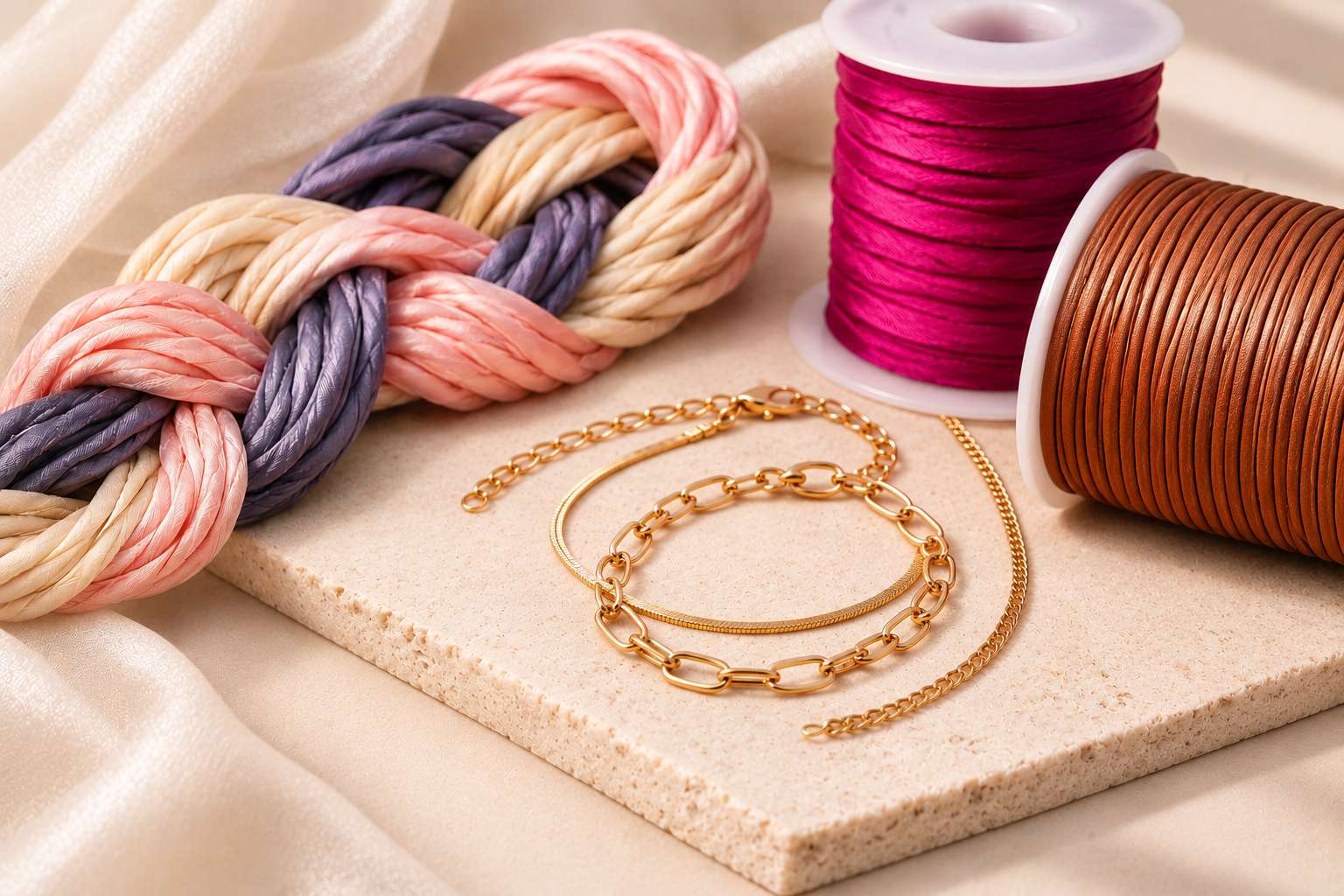
Natural materials such as leather, gemstones and silk introduce warmth and organic character. Metal chains, connectors, spacers and clasps provide structure and a refined finish.
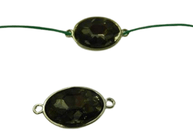
For example, a leather cord necklace with a gemstone pendant and metal components can create a balanced design without unnecessary decoration. Similarly, silk cords combined with pearls and small metal charms offer opportunities for elegant jewellery and coordinated gift collections.
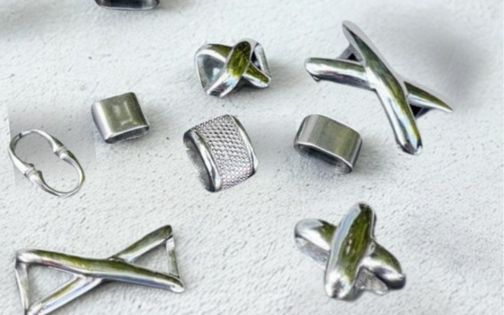
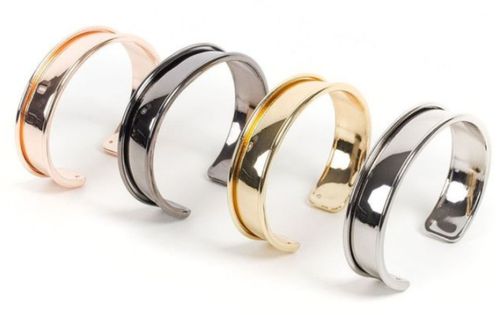
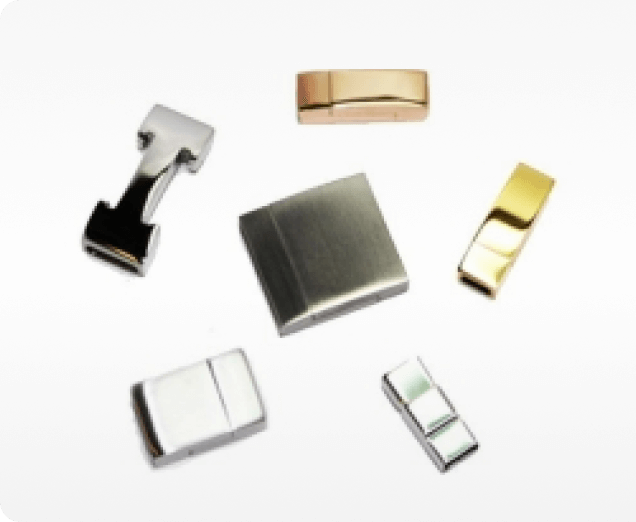
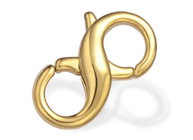
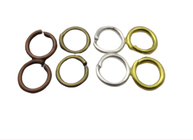
When selecting metal components, consider their function as well as their appearance. Clasps, connectors and end caps should be compatible with the other materials and suitable for the intended use of the finished product.
3. Use Colour to Create Cohesive Designs
When several materials are used in one piece, colour coordination becomes particularly important.
A simple approach is to choose a dominant colour, a complementary shade and one accent colour.
For instance, a dark brown leather cord can be paired with amber gemstones and antique gold-tone components. A turquoise silk cord can work beautifully with silver-tone findings and neutral-coloured beads.
Repeating a particular colour across different materials also helps create visual consistency. This is especially useful for jewellery brands developing multiple variations of the same design or building a recognisable collection.
4. Experiment with Different Material Combinations
Once you understand how textures and colours work together, you can experiment with combinations that create opportunities for new products.
Here are five ideas to inspire your next collection:
Leather, Gemstones and Metal Findings
Use leather cords as the foundation of bracelets or necklaces, adding gemstones for colour and metal components for a professional finish.
Silk, Pearls and Charms
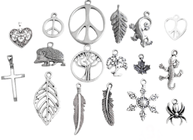
Combine colourful silk cords with pearls and small decorative charms to create delicate bracelets and necklaces suitable for everyday wear and gift collections.
Leather and Metal Chains
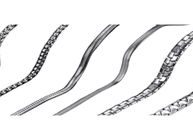
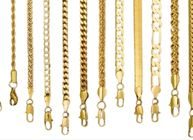
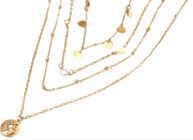
Mix leather cords with metal chains of different lengths to develop layered necklaces and contemporary accessories.
Natural Stones and Decorative Cords
Combine gemstones and silk stringing materials to create relaxed, nature-inspired jewellery.
Suede, Metal and Decorative Beads
Use suede as a soft base and introduce metal findings and decorative beads to create accessories with a distinctive handmade appearance.
These combinations can also be adapted through different colours, sizes and finishes, allowing brands to develop several product variations using a consistent selection of materials.
5. Check Material Compatibility Before Production
A visually attractive design is not necessarily a practical one. When combining different materials, technical compatibility should be considered from the beginning.
Before finalising a design, pay attention to these important factors:
-
Cord diameter: Make sure beads, pendants and clasps have openings that accommodate the selected cord thickness.
-
Component weight: Heavy gemstones and metal pendants may not be suitable for delicate silk cords or lightweight stringing materials.
-
Durability: Consider how materials respond to friction, moisture and regular use.
-
Finishing: Select suitable end caps, connectors and clasps to ensure secure and professional construction.
-
Consistency: For larger production runs, check that colours, dimensions and material specifications remain consistent between batches.
Testing samples before placing bulk orders is particularly useful for manufacturers and wholesale buyers. It helps identify compatibility issues early and reduces the risk of production problems.
6. Build a Collection Around Versatile Materials
Mixed-material jewellery is not only about creating individual statement pieces. It can also help brands develop cohesive collections.
Instead of sourcing completely different materials for every product, start with a selection of versatile components. For example, leather cords, gemstone beads and metal findings can be used across bracelets, necklaces and matching accessories.
This approach offers several advantages:
-
Creates a consistent visual identity across products.
-
Makes it easier to introduce new colours and variations.
-
Simplifies material selection and inventory planning.
-
Allows brands to develop coordinated collections and gift sets.
For manufacturers and wholesale buyers, choosing versatile materials that can be used across multiple product lines can also make sourcing and production more efficient.
FAQ: Combining Materials in Jewellery Design
What materials work best together in jewellery making?
Leather, silk, gemstones, pearls, metal chains and decorative findings can all be combined. The best combinations depend on the desired appearance, construction method and intended use.
Can leather and gemstones be used together?
Yes. Leather cords work well with gemstone beads and pendants. The important considerations are cord thickness, bead-hole dimensions, component weight and suitable finishing elements.
How can you make mixed-material jewellery look cohesive?
Use a consistent colour palette, balance contrasting textures and avoid introducing too many decorative elements. Repeating materials or metal finishes across different pieces helps create visual consistency.
What should jewellery manufacturers consider when sourcing materials?
Manufacturers should consider material specifications, dimensional consistency, quality, compatibility, availability and the possibility of maintaining a reliable supply for future production runs.
Find the Right Materials for Your Next Jewellery Collection
Creating distinctive jewellery starts with selecting materials that work together, both aesthetically and technically. Whether you are developing a new bracelet collection, designing statement necklaces or sourcing components for larger production runs, the right combination of materials can open up new possibilities.
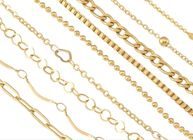
At Sun Enterprises, you can explore a range of wholesale jewellery-making materials and components, including leather cords, silk stringing materials, gemstones, beads, charms, chains, pendants and leather components.
With different materials, colours and finishing options available, you can source the elements needed to experiment with new combinations and develop collections that reflect your brand's identity.
Explore the Sun Enterprises Full Product Catalogue and discover the materials you need to bring your next jewellery collection to life.


