





Leather vs Suede vs Vegan vs Synthetic Cords: The Ultimate Complete Comparison Guide
Social Share:
Choosing the right cord material can make or break your jewelry or craft project. Whether you are designing minimalist necklaces, layered bracelets, or statement accessories, understanding the difference between leather cords, suede leather cords, vegan leather cords, and synthetic cords is essential. Each material brings its own personality, durability level, comfort, and price point to the table. Instead of viewing them as separate categories, it’s more helpful to compare them side by side and understand how they perform in real-world use.
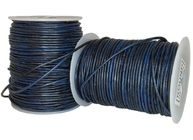
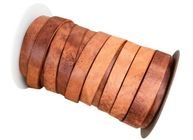
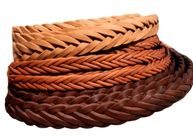
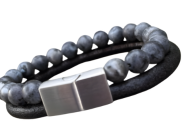
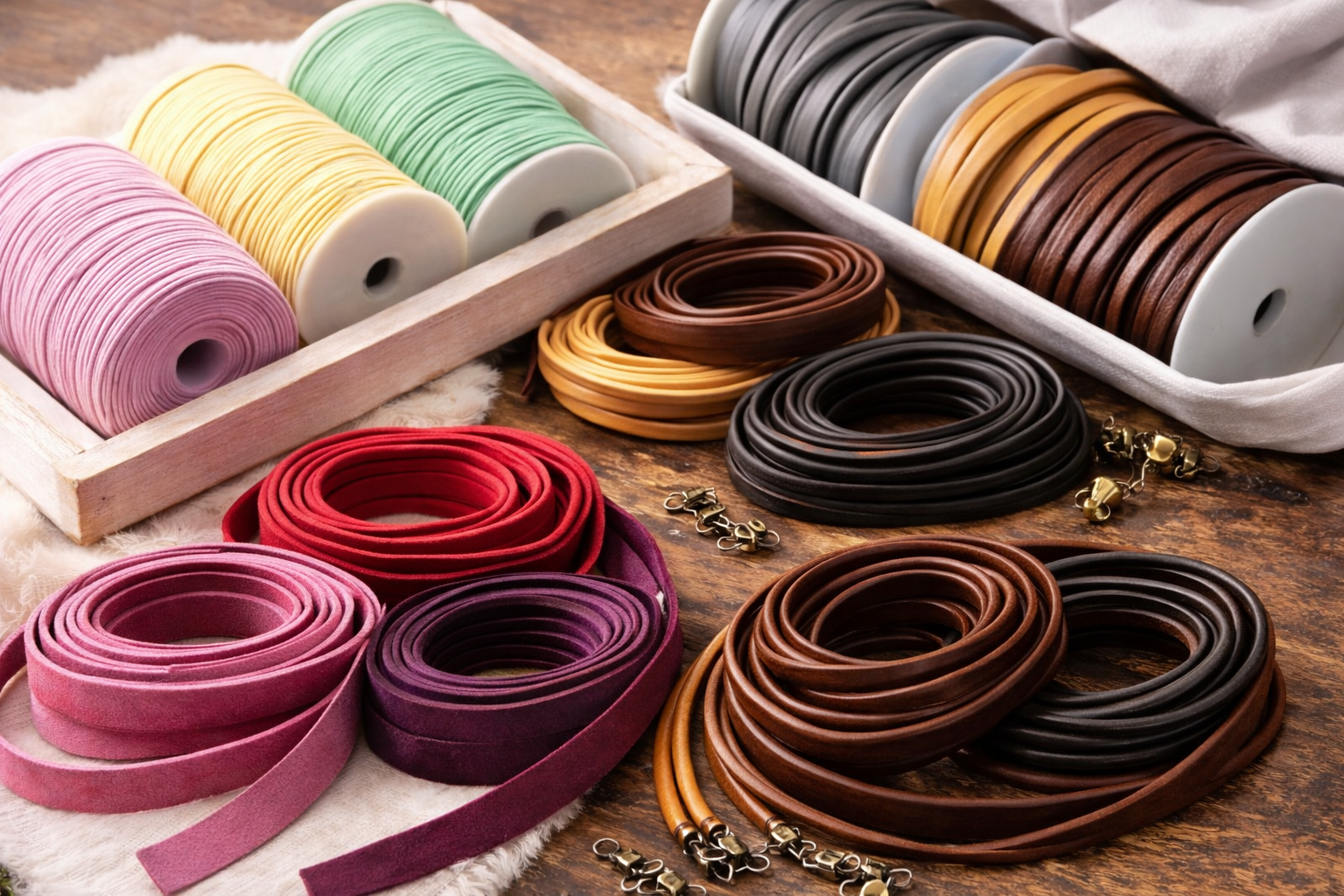
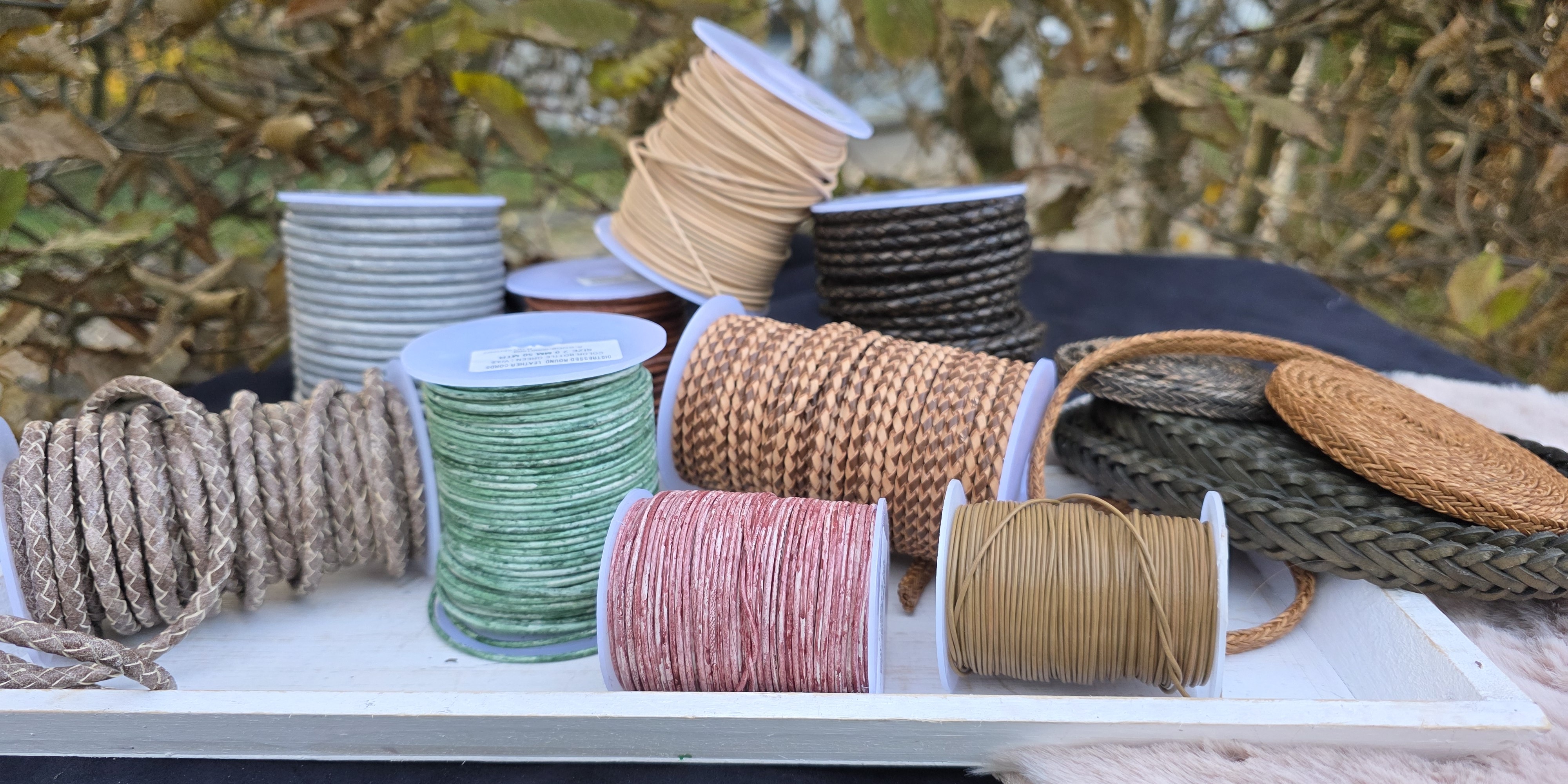
When people think of timeless jewelry materials, wholesale leather cords often come first to mind. Genuine leather has a natural grain and smooth surface that instantly adds authenticity and character. It feels strong, slightly firm at first, and gradually softens with wear. One of leather’s biggest advantages is durability. High-quality leather cords resist stretching and can last for years if properly cared for. Over time, they develop a natural patina, which enhances their appearance rather than diminishing it. However, leather does require maintenance. Too much moisture can weaken the fibers, and conditioning may be necessary to prevent cracking. For premium handmade jewelry or rugged, masculine designs, leather cords remain a top-tier choice.
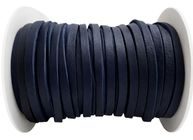
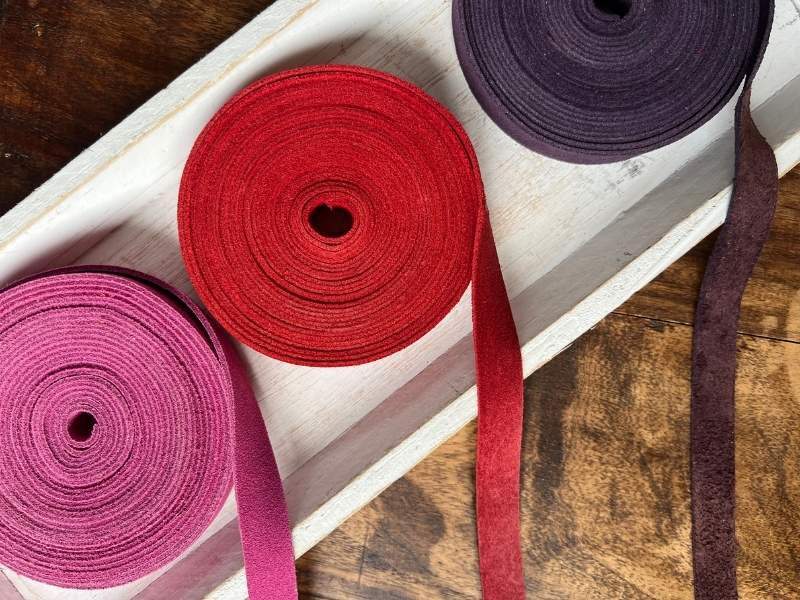
On the other hand, suede leather cords offer a completely different tactile experience while still being derived from genuine hide. Instead of a smooth outer grain, suede uses the underside of the leather, resulting in a soft, velvety texture. This makes suede leather cords incredibly comfortable against the skin, which is why they are popular for chokers, wrap bracelets, and layered necklaces. Visually, suede has a matte finish that feels more relaxed and bohemian compared to polished leather. The trade-off is durability. Because of its fuzzy surface, suede can be more prone to staining, moisture damage, and fraying. It is less resistant to daily wear compared to full-grain leather cords. If texture and softness matter more than long-term ruggedness, suede becomes an appealing option.
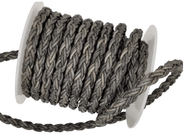
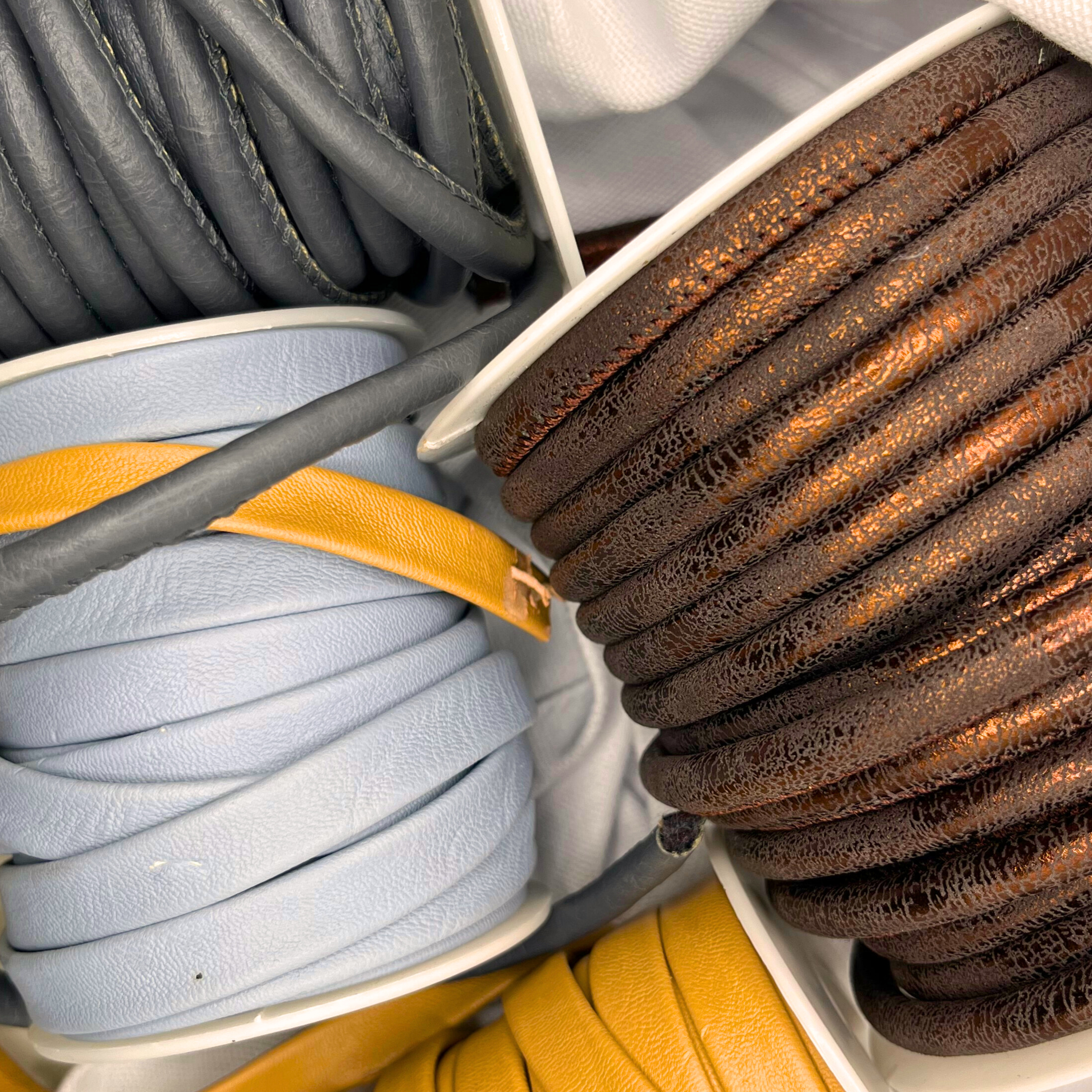
As consumer awareness grows, vegan leather cords have carved out a significant place in the market. These cords are designed to replicate the appearance of genuine leather without using animal products. Most vegan leather cords are made from polyurethane (PU), PVC, or increasingly, plant-based alternatives. Visually, many modern vegan options are nearly indistinguishable from real leather cords. They can be smooth, textured, glossy, or matte. The main differences appear over time. While high-quality vegan leather cords can be durable and flexible, they typically do not age the same way genuine leather does. Instead of developing a patina, some lower-grade options may peel or crack. From an ethical standpoint, vegan leather cords appeal to customers seeking cruelty-free materials. However, sustainability varies depending on the manufacturing process and base materials used.
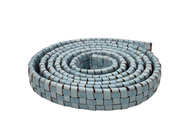
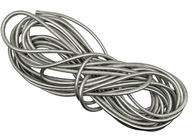
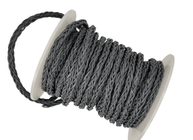
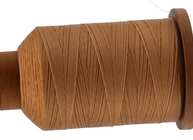
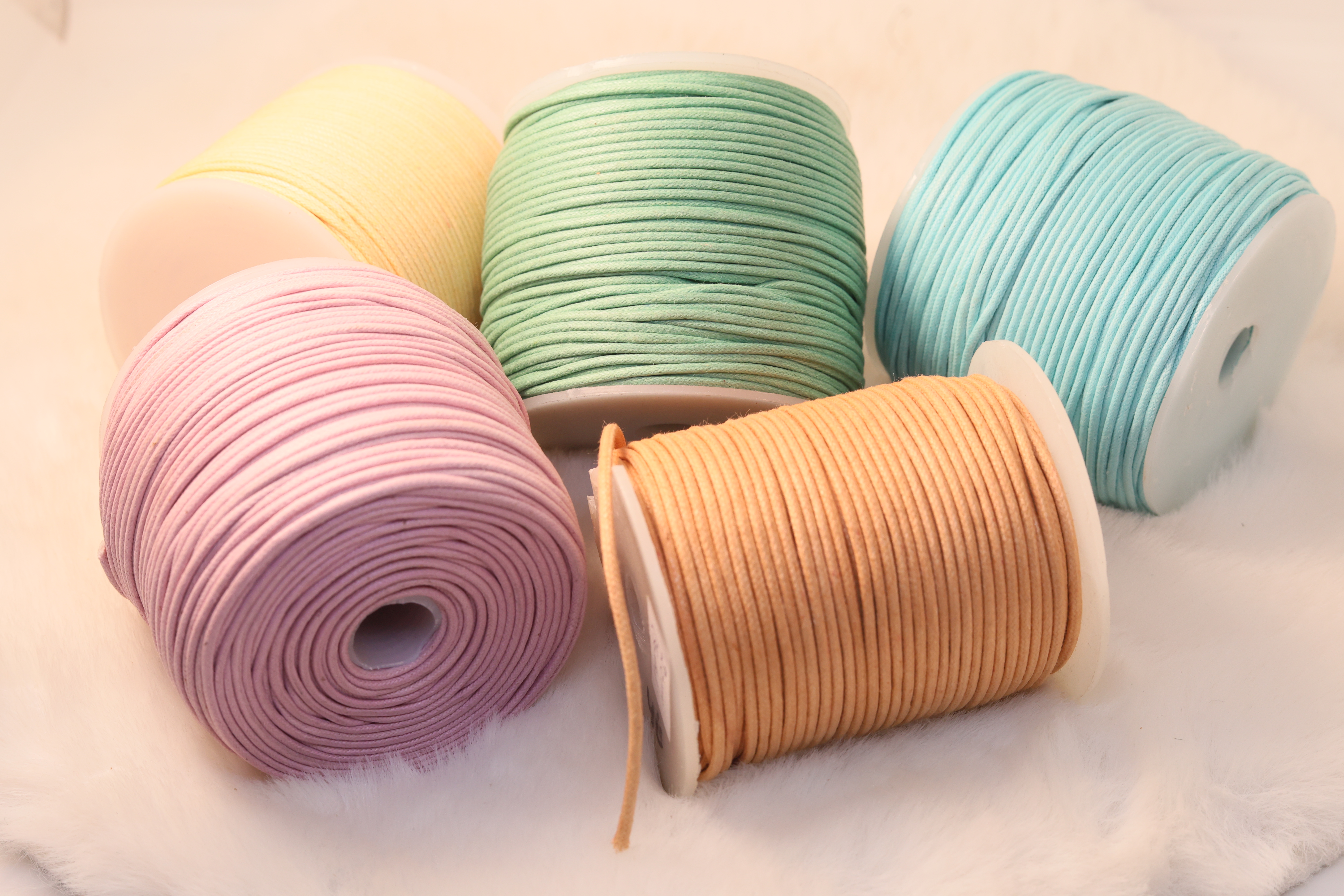
Then there are synthetic cords, a broad category that includes nylon, polyester, waxed cotton blends, and polypropylene. Unlike vegan leather cords, which aim to mimic leather, synthetic cords often embrace their engineered identity. They come in an enormous range of colors, thicknesses, and finishes. When it comes to water resistance and low maintenance, synthetic cords often outperform both leather and suede leather cords. They are ideal for outdoor jewelry, sports accessories, or pieces exposed to sweat and humidity. In terms of strength, some synthetic cords are incredibly resilient and resistant to fraying. However, they typically lack the organic warmth and natural feel that leather cords provide. For fashion-forward, colorful, or highly functional designs, synthetic cords are often the most practical choice.
When comparing all four options together, the decision ultimately depends on priorities. If longevity, authenticity, and a natural look matter most, leather cords stand out. If softness and a relaxed aesthetic are the goal, suede leather cords deliver comfort and texture. For those seeking cruelty-free alternatives with a leather-like appearance, vegan leather cords offer a balanced solution. And if water resistance, vibrant colors, affordability, and easy maintenance are key factors, synthetic cords become the clear winner. Cost can also influence your decision: genuine leather cords tend to be the most expensive due to sourcing and processing. Suede leather cords are usually slightly more affordable but still fall into the premium category. Vegan leather cords and synthetic cords generally offer more budget-friendly options, making them attractive for large-scale production or DIY projects.
In the end, there is no single “best” material, only the best material for your specific project. Designers often experiment with multiple types of leather cords and synthetic cords to achieve the perfect combination of texture, durability, and visual appeal. By understanding how each option performs in everyday wear, you can confidently select the cord that aligns with your style, values, and functional needs.


For product highlights and special offers.
By subscribing to our newsletter you agree to our Privacy Policy.