





Fingerprint Jewelry: A Personal Touch for Modern Jewelry Collections

Some jewelry designs are admired for their appearance, while others are valued for the personal meaning they carry. Fingerprint jewelry combines both qualities by transforming a unique fingerprint into a meaningful design that can be incorporated into necklaces, bracelets, rings, and other accessories.
As personalization continues to influence the jewelry market, fingerprint designs offer jewelry brands and independent designers an opportunity to create products that feel individual, thoughtful, and distinctive. Whether used to celebrate a family connection, commemorate an important moment, or create a personalized gift, a fingerprint can turn an ordinary accessory into something much more meaningful.
For jewelry designers and manufacturers, this concept also opens the door to creative product development. By combining engraved fingerprint details with carefully selected pendants, chains, charms, and other components, brands can develop collections that bring together personal stories and contemporary design.
What Is Fingerprint Jewelry?
Fingerprint jewelry is a type of personalized jewelry that features the unique ridge pattern of an individual's fingerprint. Instead of using a standard decorative pattern, the design is based on an actual fingerprint, making each personalized piece distinctive.
The fingerprint can be reproduced on different jewelry surfaces, including metal pendants, rings, bracelets, and small decorative charms. Depending on the desired appearance, it can be engraved directly into the surface, created as a raised design, or incorporated into a custom jewelry component.
One of the main reasons fingerprint jewelry is meaningful is its connection to personal identity. Every fingerprint has its own distinctive pattern, which makes it suitable for jewelry designed to represent a particular person or relationship.
Common examples include:
-
Parent and child fingerprint necklaces.
-
Family fingerprint pendants.
-
Couple fingerprint bracelets.
-
Memorial jewelry featuring a loved one's fingerprint.
-
Personalized fingerprint rings.
-
Matching fingerprint charms for family members.
Unlike standard jewelry designs, these pieces are created around an individual detail, giving designers an opportunity to offer something more personal than a conventional accessory.
How Is Fingerprint Jewelry Made?
Creating fingerprint jewelry generally involves capturing a fingerprint, preparing it for the chosen production method, and transferring the design onto a jewelry component.
The exact process depends on the material, the complexity of the design, and the equipment used by the jewelry manufacturer.
1. Capturing the Fingerprint
The first step is obtaining a clear fingerprint impression. This can be collected using a suitable inkless fingerprint kit, an ink impression, or an existing digital fingerprint image.
The quality of the original impression is important because the small ridge details are what make the final design recognizable.
2. Preparing the Design
Once the fingerprint has been captured, the image can be converted into a digital design. A designer or engraving specialist may adjust the image to improve clarity and prepare it for the selected jewelry component.
The goal is to preserve the distinctive fingerprint pattern while ensuring that it fits the available surface.
3. Transferring the Fingerprint onto Jewelry
There are several ways to reproduce fingerprint details on jewelry.
Laser engraving: A laser engraving process can transfer a fingerprint image onto a suitable metal surface. This method is commonly used for flat pendants, tags, and other components with an appropriate engraving area.
Etching: Certain etching techniques can create a recessed fingerprint pattern on a metal surface, giving the design a subtle textured appearance.
Raised impressions: Some custom manufacturing processes can reproduce fingerprint patterns as raised details, creating a more dimensional finish.
Custom casting: A fingerprint design can also be incorporated into a custom jewelry model before the final metal component is produced.
Each method creates a different visual effect, so the choice depends on the jewelry design, material, and desired finish.
6 Creative Ways to Incorporate Fingerprints into Jewelry Designs
Fingerprint details can be used in many different jewelry styles. Designers do not have to limit themselves to traditional fingerprint pendants; the pattern can become part of a much wider range of accessories.
Here are six design ideas worth exploring.
1. Fingerprint Pendant Necklaces
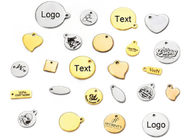
Pendant necklaces are one of the most recognizable formats for fingerprint jewelry. Their flat surfaces provide a suitable area for displaying an engraved fingerprint.
Designers can experiment with different pendant shapes, including:
-
Round pendants.
-
Heart-shaped pendants.
-
Oval pendants.
-
Rectangular tags.
-
Small disc pendants.
A fingerprint can cover the entire pendant or appear as a smaller detail alongside a name, date, or short message.
For a simple design, a fingerprint pendant can be paired with a delicate metal chain. A more contemporary version could combine the pendant with a thicker chain or additional decorative elements.
Explore jewelry findings, beads, and charms for components that can help bring personalized pendant designs together.
2. Fingerprint Charm Bracelets
Charm bracelets offer another creative way to introduce fingerprint details into personalized jewelry collections.
Instead of using a single large pendant, designers can incorporate a small fingerprint charm alongside initials, symbolic charms, gemstones, or decorative beads.
This approach is particularly interesting because the bracelet can represent several people or meaningful moments through different charms.
For example, a family-inspired bracelet could feature separate fingerprint charms representing different family members.
Designers can also create interchangeable charm collections, allowing customers to add new elements over time.
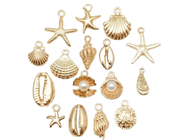
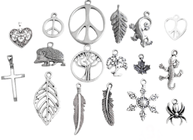
Explore charms and jewelry components for decorative elements that can complement personalized bracelet designs.
3. Fingerprint Rings
Fingerprint rings offer a more understated way to incorporate personal details into jewelry.
A fingerprint can be engraved along the outside of a ring or placed on a wider surface, depending on the design. Some styles use the fingerprint as the main decorative feature, while others combine it with a name, date, or small gemstone.
For jewelry brands, this concept can be developed into different collections, from simple everyday rings to more elaborate personalized designs.
The surface area, ring material, and engraving method should be considered during product development to ensure the fingerprint remains clear and recognizable.
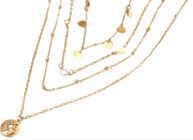
4. Layered Fingerprint Necklaces
Layered necklaces provide an opportunity to combine personalized jewelry with contemporary styling.
A fingerprint pendant can be worn alongside a name necklace, gemstone pendant, or simple chain. This creates a more detailed look while allowing the fingerprint to remain the central meaningful element.
Designers can experiment with different chain lengths, pendant sizes, and metal finishes to create coordinated pieces.
For example, a small fingerprint pendant on a short chain can be combined with a longer necklace featuring a decorative charm.
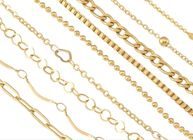
Explore wholesale jewelry chains and jewelry findings for materials suitable for layered necklace designs.
5. Fingerprint Jewelry with Gemstones
Combining fingerprint details with gemstones can create a more decorative and distinctive jewelry design.
A small gemstone can be placed alongside a fingerprint pendant or incorporated into a ring or bracelet design. Birthstones are particularly suitable for family-inspired collections because they can represent individual family members.
For example, a necklace could feature a fingerprint pendant with a small gemstone representing a child's birth month.
Designers can experiment with different gemstone colors, pendant shapes, and metal finishes to create collections for different customer preferences.
Explore the gemstone collection for materials that can complement personalized jewelry designs.
6. Fingerprint-Inspired Leather and Metal Bracelets
Fingerprint patterns do not always need to be the main feature of a jewelry design. They can also be incorporated into bracelets that combine different materials.
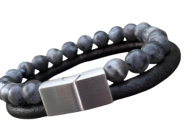
For example, a personalized metal tag featuring a fingerprint can be paired with a leather cord to create a more casual accessory.
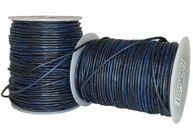
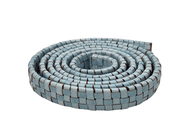
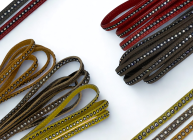
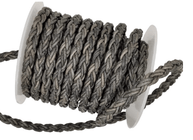
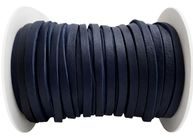
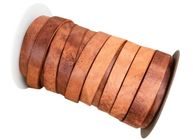
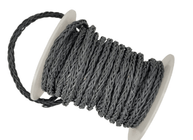
Designers can experiment with round, flat, braided, or suede leather cords depending on the desired appearance.
This combination offers an interesting contrast between the personal engraved detail and the texture of the leather.
Explore leather cords and leather components for materials that can be used to develop these bracelet concepts.
Why Is Fingerprint Jewelry Meaningful to Customers?
The appeal of fingerprint jewelry goes beyond its visual design. Its value comes from the personal connection represented by the fingerprint.
There are several reasons why customers may be interested in this type of jewelry.
Personal identity: A real fingerprint makes a piece of jewelry individual rather than simply decorative.
Emotional connection: Fingerprint designs can represent family relationships, friendships, important memories, and personal milestones.
Meaningful gifting: Personalized fingerprint jewelry can be an appealing gift for occasions such as birthdays, anniversaries, Mother's Day, and family celebrations.
Individual design: Because each fingerprint is different, the finished jewelry can become a distinctive piece within a collection.
Versatility: Fingerprint details can be incorporated into different product categories, including necklaces, bracelets, rings, and charms.
For jewelry brands, these qualities create opportunities to develop products that appeal to customers looking for more personal and meaningful accessories.
How Jewelry Brands Can Develop a Fingerprint Jewelry Collection
For designers and manufacturers, fingerprint jewelry can be approached as a dedicated product category or incorporated into an existing personalized jewelry collection.
The key is to balance the individual fingerprint detail with an attractive and practical jewelry design.
Here are five considerations when developing a collection.
1. Choose Suitable Jewelry Components
The surface and shape of the jewelry component are important. Pendants, metal tags, and suitable ring surfaces can provide space for fingerprint details.
Designers should consider the available engraving area and the clarity required to reproduce the fingerprint.
2. Offer Different Design Styles
Not every customer prefers the same type of jewelry. A collection can include minimalist pendants, decorative charm bracelets, contemporary rings, and layered necklace designs.
Offering several styles can help brands appeal to a wider customer base.
3. Experiment with Materials
Fingerprint designs can be combined with different materials to create a distinctive collection.
For example:
-
Stainless steel components for contemporary designs.
-
Sterling silver components for classic jewelry styles.
-
Leather cords for casual bracelets.
-
Gemstones for decorative personalized pendants.
-
Metal chains for elegant necklaces.
The right material combination depends on the intended product, design, and target market.
4. Consider Customization Options
Personalization can extend beyond the fingerprint itself. Brands may consider offering additional details such as initials, names, dates, or short messages.
These elements can help customers create jewelry that reflects their individual preferences.
5. Focus on Quality and Durability
Personalized jewelry often carries sentimental value, so the quality of the finished product is particularly important.
Manufacturers should consider the durability of the jewelry components, the quality of the engraving, and the compatibility of the different materials used in each design.
A well-finished product helps ensure that the jewelry remains attractive and wearable over time.
Choosing the Right Materials for Personalized Jewelry
Although the fingerprint is the central feature of this jewelry concept, the supporting materials play an equally important role in the finished design.
The right combination of components can influence the appearance, comfort, and overall quality of the product.
Some materials worth considering include:
| Material or Component | Potential Application |
|---|---|
| Metal pendants and tags | Fingerprint engraving surfaces |
| Stainless steel chains | Pendant necklaces and layered designs |
| Jewelry findings | Connecting and finishing components |
| Decorative charms | Complementary personalized details |
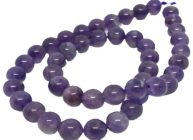
| Gemstone beads | Adding color and personal meaning |
| Leather cords | Casual fingerprint bracelets |
| Clasps and connectors | Securing necklaces and bracelets |
For designers looking to develop personalized collections, sourcing complementary materials from a wholesale supplier can make product development more convenient.
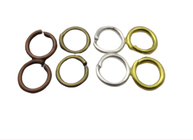
Sun Enterprises offers a wide range of jewelry findings, beads, and charms, chains, gemstones, and leather cords for jewelry and fashion accessory production.
Explore Jewelry-Making Materials at Sun Enterprises
Fingerprint jewelry demonstrates how a small personal detail can transform a simple accessory into something meaningful.
For jewelry designers, manufacturers, and fashion brands, this concept offers opportunities to explore personalized pendants, charm bracelets, engraved accessories, and mixed-material designs.
At Sun Enterprises, we supply a wide selection of wholesale jewelry-making materials, including chains, leather cords, jewelry findings, beads, charms, gemstones, and other components for jewelry production.
Whether you are developing a personalized jewelry collection or looking for materials to complement your existing designs, explore the Sun Enterprises product collection and discover materials for your next project.
Frequently Asked Questions About Fingerprint Jewelry
1. What is fingerprint jewelry?
Fingerprint jewelry is personalized jewelry that features the actual fingerprint of an individual. The fingerprint is reproduced on a jewelry component, such as a pendant, ring, or bracelet, using an engraving, etching, or custom manufacturing process.
2. How is a fingerprint transferred onto jewelry?
A fingerprint is first captured as an impression or digital image. It is then prepared for the selected production method and transferred onto a suitable jewelry surface, commonly through laser engraving, etching, or custom casting.
3. What types of jewelry can feature fingerprints?
Fingerprint details can be incorporated into necklaces, pendants, rings, bracelets, charms, and other personalized accessories. The choice depends on the available surface area and the desired design.
4. Can fingerprint jewelry be combined with gemstones?
Yes. Fingerprint designs can be combined with gemstones, decorative beads, and other jewelry components. Birthstones are one example of an additional element that can make a personalized piece even more meaningful.
5. Is fingerprint jewelry suitable for wholesale collections?
Fingerprint jewelry can be a product concept for jewelry brands and manufacturers interested in personalized accessories. Businesses can develop different pendant shapes, bracelet styles, and component combinations, with the fingerprint customization handled through their own production process or a specialist engraving partner.
6. What materials are suitable for fingerprint jewelry?
Suitable materials depend on the manufacturing and engraving method. Metal components such as stainless steel and sterling silver are commonly used for fingerprint designs. Chains, clasps, leather cords, and decorative components can be added to complete the finished jewelry.
7. Where can jewelry designers source components for personalized jewelry?
Jewelry designers and manufacturers can explore Sun Enterprises for wholesale chains, leather cords, jewelry findings, beads, charms, gemstones, and other materials used in jewelry and fashion accessory production.


