


How to Start a Private-Label Jewellery Brand in Europe
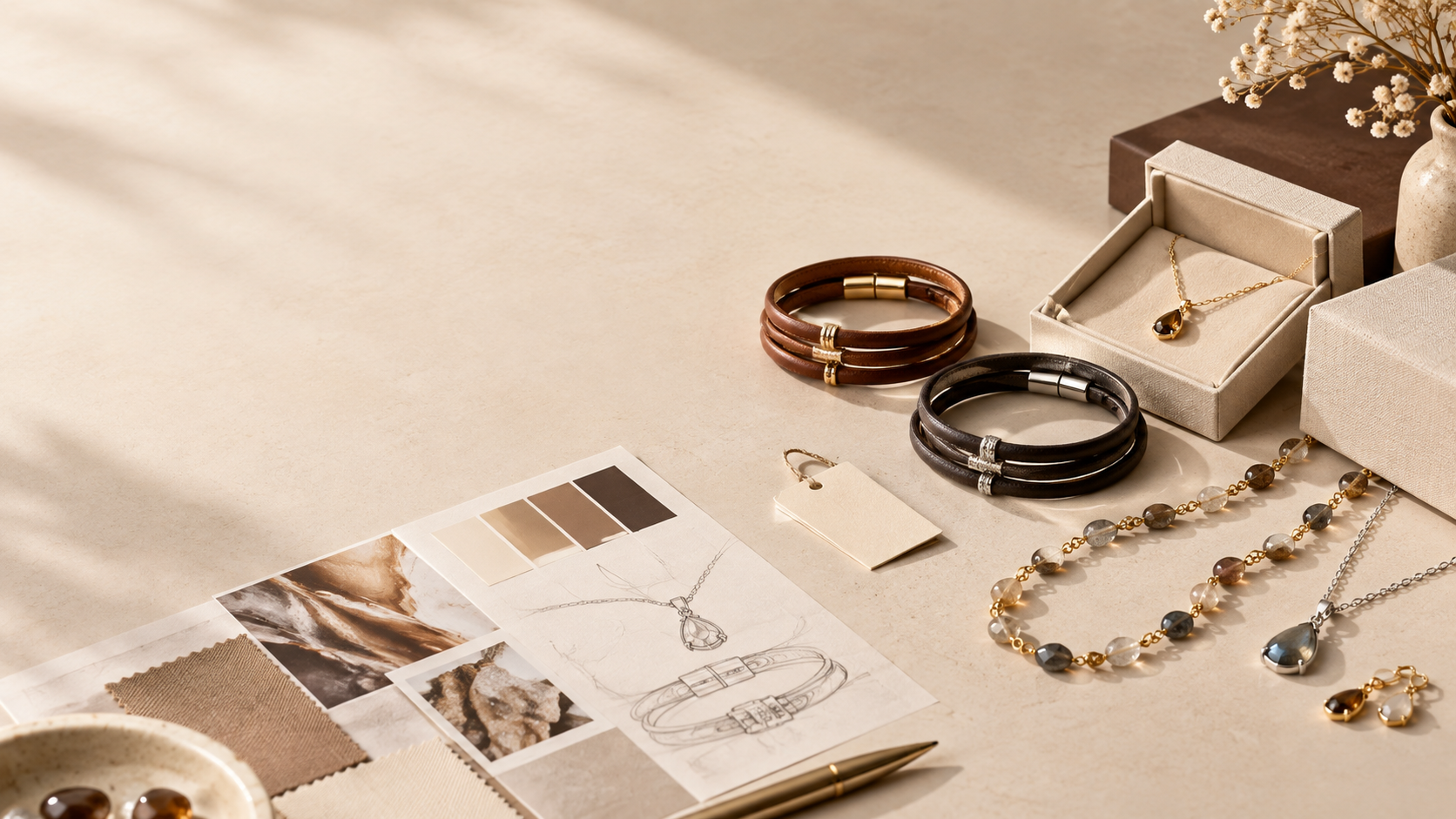
Starting a private-label jewellery brand in Europe can be an exciting opportunity for designers, retailers, fashion businesses and entrepreneurs. Instead of selling generic products, private-label jewellery allows you to create a collection with your own name, visual identity, packaging and product details.
However, building a jewellery brand involves more than choosing attractive products. You need to define your market, plan your collection, select materials, find a reliable supplier, develop samples, understand your costs and prepare your products for sale.
This guide explains how to start a private-label jewellery brand in Europe, from the first idea to the finished collection.
What is private-label jewellery?
Private-label jewellery is jewellery produced for one business and sold under that business’s own brand name.
The jewellery may be:
- Based on an existing product.
- Made with selected standard components.
- Customised with your colours or finishes.
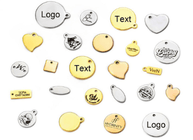
- Branded with your logo.
- Developed using custom clasps, chains or charms.
- Created as a completely new design.
Private-label production allows you to build a distinct identity without manufacturing every component yourself.
For example, a brand could create:
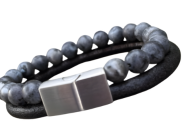
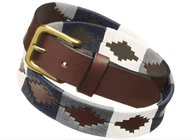
- Leather bracelets with an engraved logo clasp.
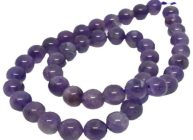
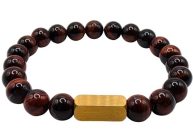
- Gemstone necklaces with a custom chain.
- Stainless-steel bracelets with branded packaging.
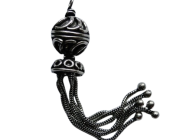
- A collection of charms, pendants and connectors.
- Coordinated bracelets and necklaces using the same metal finish.
Sun Enterprises works with designers, entrepreneurs, retailers and established brands on leather cords, clasps, chains, gemstones and other jewellery components. The company offers wholesale products and customisation across many product lines.
Private label vs white label
Private label and white label are related, but they are not exactly the same.
White-label jewellery
White-label jewellery is usually an existing product that can be sold by different businesses under different brand names. The product may have limited customisation.
Private-label jewellery
Private-label jewellery is developed specifically for your brand. It may include:
- Your logo.
- Your colours.
- Your preferred materials.
- Your own packaging.
- Custom sizes.
- Custom finishes.
- Unique components.
- A collection designed around your brand identity.
White label can be a faster way to test a market, while private label usually offers more opportunities for differentiation.
Step 1: Define your jewellery brand concept
Before contacting suppliers, clarify what your brand should represent.
Ask yourself:
- Who is the target customer?
- What type of jewellery will you sell?
- What price range will you target?
- What makes your brand different?
- Will the style be minimal, luxury, colourful, natural, edgy or playful?
- Will you sell online, through retailers or both?
- Will the brand focus on bracelets, necklaces, earrings or complete collections?
- What materials fit the brand identity?
A clear concept helps you make better decisions about components, colours, packaging, photography and marketing.
Example
Instead of describing your idea as “a jewellery brand,” make it more specific:
A contemporary European bracelet brand offering minimalist leather and stainless-steel designs for men and women who want comfortable everyday jewellery.
This direction makes it easier to choose suitable cords, clasps, colours, photography and communication.
Step 2: Research the European market
Research helps you understand the customers you want to reach and the products already available.
Look at:
- Competing jewellery brands.
- Common retail prices.
- Popular materials.
- Product reviews.
- Customer complaints.
- Colour trends.
- Packaging styles.
- Retail and wholesale opportunities.
- Search terms used by potential customers.
- Countries where you plan to sell.
Do not copy another brand’s product. Instead, look for gaps.
For example, you may discover that:
- Many bracelets use similar clasps.
- Customers want easier fastening.
- There are few adjustable designs.
- Certain colours are difficult to find.
- Customers prefer personalised details.
- Retailers want smaller initial quantities.
These observations can help you create a more relevant product.
Step 3: Choose your first product range
It is usually easier to start with a focused collection rather than dozens of unrelated products.
Your first collection could include:
- Three leather bracelets.
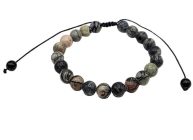
- Two gemstone bracelets.
- Two matching necklaces.
- One signature clasp or logo charm.
- Several colour variations.
A focused range makes it easier to:
- Control your budget.
- Order materials.
- Photograph the products.
- Create a consistent brand identity.
- Test customer interest.
- Manage stock.
- Improve the design based on feedback.
Your first collection does not need to be large. It needs to be clear, cohesive, and suitable for your target customer.
Step 4: Select materials and components
Materials influence the appearance, comfort, durability, and price of your jewellery.
Possible materials include:
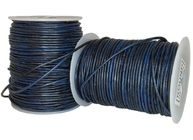
- Leather.
- Vegan leather.
- Stainless steel.
- Sterling silver.
- Zamak.
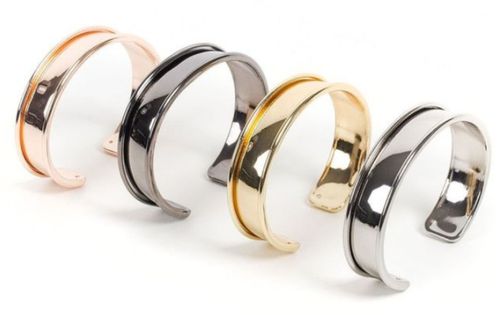
- Gold-coloured or rose-gold-plated components.
- Gemstones.
- Silk cords.
- Cotton cords.
- Chains.
- Beads.
- Charms.
Sun Enterprises offers a broad product range including more than 6,000 leather cord variations, magnetic clasps, ready-made bracelets, gemstones, chains, silk, beads and charms.
Leather cords
Leather cords can be selected according to:
- Shape.
- Diameter.
- Width.
- Thickness.
- Colour.
- Texture.
- Braiding.
- Stitching.
- Finish.
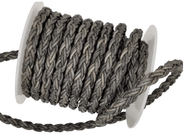
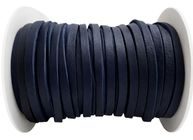
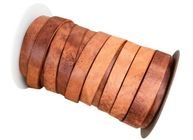
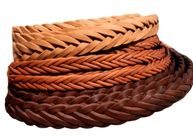
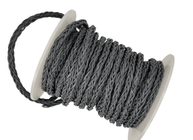
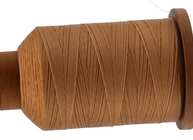
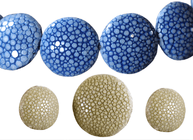
Available styles may include round, flat, braided, nappa, regaliz, suede, hair-on, vegan and stingray cord.
Clasps
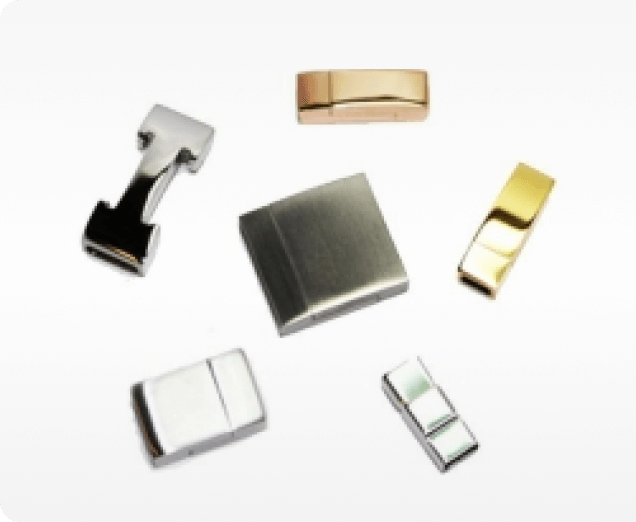
The clasp affects both the appearance and usability of the jewellery. Options may include:
- Magnetic clasps.
- Lobster clasps.
- Toggle clasps.
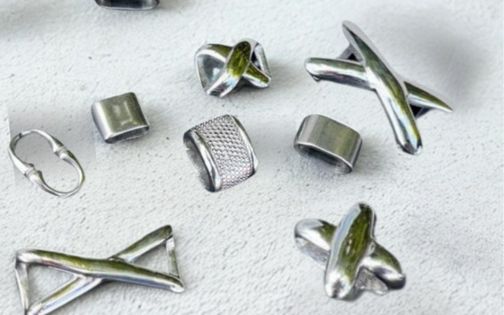
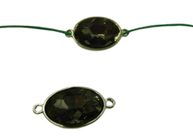
- Connector clasps.
- End caps.
- Sliders.
- Screw-lock closures.
The clasp should be compatible with the cord, chain or wire. Its size should also be suitable for the weight of the finished jewellery.
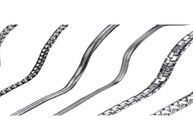
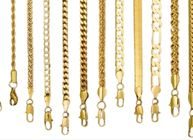
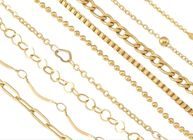
Chains
When selecting a chain, consider:
- Link style.
- Link dimensions.
- Thickness.
- Length.
- Colour.
- Plating.
- Finish.
- Weight.
The chain should work visually and practically with the pendant, clasp and other components.
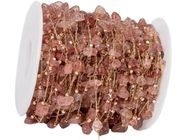
Gemstones
Gemstones can help create a recognisable colour palette or collection theme. Consider:
- Stone type.
- Colour.
- Size.
- Shape.
- Cut.
- Surface quality.
- Availability.
- Price.
A brand may choose one signature gemstone or create a range based on several colours.
Step 5: Add your brand identity
A private-label product should look connected to your brand.
Brand identity can be added through:
- Engraved clasps.
- Logo tags.
- Branded charms.
- Custom pendants.
- Engraved leather.
- Signature colours.
- Special plating.
- Custom packaging.
- Branded product cards.
Sun Enterprises can explore integrating logos, initials, brand names or symbols into leather and metal components. Depending on the design, this may involve engraving, a logo charm, a branded clasp, a connector or a new custom component.
Preparing your logo
Before sending your logo to a supplier, prepare:
- A clear high-resolution file.
- A black-and-white version.
- Vector artwork, if available.
- The preferred logo size.
- The desired position.
- Any design elements that can be simplified.
Very small details may not reproduce clearly on a small clasp or tag. A supplier may recommend adjusting the artwork for engraving or moulding.
Step 6: Find a suitable European supplier
Choosing the right supplier is one of the most important parts of starting a private-label jewellery brand.
Look for a supplier that can offer:
- Relevant materials.
- Consistent product quality.
- Clear communication.
- Sampling or product development.
- Customisation options.
- Reasonable production quantities.
- Reliable repeat orders.
- Appropriate documentation.
- Suitable shipping options.
- Experience with international customers.
A supplier may sell excellent standard components but have limited experience with custom development. Another may offer custom products but require larger quantities. Consider which services your brand needs at its current stage.
Working with one supplier for several components can also simplify communication. For example, your collection may require leather, clasps, chains, gemstones, logo parts and packaging. A supplier that can support several of these areas may make product development easier.
Step 7: Prepare a supplier enquiry
You do not need a finished technical drawing to start a conversation. You can begin with:
- A sketch.
- A product photograph.
- A mood board.
- Your logo.
- A colour reference.
- A physical sample.
- Approximate dimensions.
- A description of your idea.
Include as much information as possible:
- Product type.
- Target customer.
- Preferred materials.
- Preferred colours.
- Desired finish.
- Logo requirements.
- Approximate quantity.
- Target price.
- Sample requirements.
- Delivery country.
- Expected launch date.
Example enquiry
Hello,
We are developing a private-label jewellery collection for a new European brand. We are interested in creating leather bracelets with round leather cord, stainless-steel magnetic clasps and an engraved logo.
We would like to explore several cord colours and matching clasp finishes. We would initially need samples before confirming a larger order.
Our estimated first production quantity is approximately [quantity]. Please let us know which materials, sizes and customisation options would be suitable, as well as what information you need from us.
Kind regards,
Name
Step 8: Develop and test samples
A sample allows you to test the product before investing in a larger quantity.
Evaluate:
- Size.
- Weight.
- Comfort.
- Colour.
- Material.
- Finish.
- Clasp function.
- Logo position.
- Connection between components.
- Overall appearance.
- Packaging compatibility.
Ask someone from your target audience to try the product if possible. You may notice issues that are difficult to identify from a drawing or photograph.
For example:
- The clasp may be attractive but difficult to fasten.
- The bracelet may feel too heavy.
- The logo may be too small.
- The leather may not match the metal finish.
- The chain may need a different thickness.
- The packaging may not protect the jewellery properly.
Sun Enterprises describes sampling and product development as a way to evaluate dimensions, colours, logos, plating and materials before moving towards larger production.sunenterprises
Step 9: Confirm your product specifications
Before production, create a written specification for each product.
Include:
- Product name or code.
- Component list.
- Material.
- Colour.
- Finish.
- Dimensions.
- Bracelet or necklace length.
- Clasp type.
- Cord or chain details.
- Gemstone details.
- Logo artwork.
- Logo placement.
- Packaging requirements.
- Approved sample.
- Assembly instructions.
- Quantity.
Written specifications help maintain consistency and make repeat orders easier.
Step 10: Calculate your costs and wholesale price
Calculate the full cost of each product before setting your selling price.
Include:
- Jewellery components.
- Labour.
- Samples.
- Packaging.
- Shipping.
- Customs or import costs.
- Product photography.
- Marketing.
- Storage.
- Payment fees.
- Website costs.
- Returns and damaged products.
- Development or tooling costs.
A basic formula is:
Total product cost=materials+labour+packaging+overhead+selling costs
Then add your desired profit:
Wholesale price=total product cost+profit
If you plan to sell through retailers, the shop will also need enough margin to resell the product profitably. The final retail price should be realistic for your target customer.
Step 11: Consider European compliance
Jewellery brands selling in Europe should consider product safety and material requirements during development.
Depending on the product, relevant considerations may include:
- Restrictions on nickel, lead and cadmium.
- Material documentation.
- Product safety.
- Labelling.
- Packaging requirements.
- Consumer information.
- Import responsibilities.
- Country-specific selling requirements.
The exact obligations depend on the product, materials, business model and countries where the jewellery will be sold. Ask your supplier what documentation or material information is available, and obtain professional compliance advice where necessary.
Do not wait until after production to think about compliance. Material choices should be reviewed during the development stage.
Step 12: Plan your launch
A successful launch requires more than finished jewellery.
Prepare:
- Product photography.
- Product descriptions.
- Size information.
- Material information.
- Care instructions.
- Packaging.
- Website product pages.
- Social media content.
- Email marketing.
- Wholesale line sheets.
- Retailer information.
- Shipping and return policies.
Create content that explains why your products are different. This might include:
- The story behind the brand.
- The design process.
- The meaning of the gemstones.
- The choice of materials.
- The custom logo.
- How the bracelet is made.
- How to style the collection.
- How to care for the jewellery.
Common mistakes to avoid
Starting with too many products
A large first collection can make production, stock and marketing difficult to manage.
Choosing materials only because they are inexpensive
Low-cost components may affect the product’s appearance, comfort and durability. Choose materials that support the price and positioning of your brand.
Ordering before approving a sample
A sample can reveal important design and quality issues. Avoid committing to large production before testing the product.
Not documenting the design
Without written specifications, colours, measurements and finishes may change between orders.
Forgetting development costs
Custom logos, moulds, tooling, samples and special finishes may create additional costs.
Ignoring minimum quantities
Custom production may require higher quantities than standard catalogue products. Discuss this before finalising the design.
Relying on one supplier without testing communication
A supplier should be evaluated not only on price but also on communication, clarity, consistency and ability to support future orders.
Making unsupported sustainability claims
Only describe materials as sustainable, recycled, vegan or ethically sourced if you have appropriate evidence and documentation.
Questions to ask a private-label jewellery supplier
Before placing an order, ask:
- Which components can be customised?
- Can you add my logo?
- What materials and finishes are available?
- Can you develop a new clasp, charm or connector?
- Is a custom mould required?
- Can I order samples?
- What is the minimum order quantity?
- What are the development costs?
- Can you provide material information?
- Can you reproduce the design for future orders?
- How are colours and finishes matched?
- Can you supply several components for the same collection?
- What information do you need from me?
- What are the expected production and delivery times?
- Which shipping and documentation options are available?
FAQ
What is a private-label jewellery brand?
A private-label jewellery brand sells products made for its own business under its own name, logo and visual identity. The products may use standard, customised or fully custom components.
How much money do I need to start a private-label jewellery brand?
There is no single starting budget. Costs depend on the product type, materials, sample development, customisation, minimum order quantity, packaging, marketing and shipping. Start by creating a detailed cost estimate for a small, focused collection.
Can I start a jewellery brand with standard components?
Yes. Standard components can help you launch faster and test your concept. You can add custom logos, colours, finishes or fully custom components as the brand develops.
Is private-label jewellery the same as handmade jewellery?
No. Private-label jewellery refers to products made for your brand by a supplier or manufacturer. The products may be handmade, machine-produced or assembled using a combination of methods.
Can I put my logo on private-label jewellery?
In many cases, logos can be engraved, stamped, moulded or added as a separate tag, charm, clasp or pendant. The method depends on the component, material and logo design.
What products can be private-labelled?
Possible products include leather bracelets, necklaces, chains, gemstone jewellery, clasps, charms, pendants, jewellery components and accessories.
Do I need a technical drawing?
Not necessarily. A sketch, product image, logo, mood board or written description can be enough to start discussing the idea. More technical information will usually be needed before final production.
Can I order samples before bulk production?
Sampling may be available and is recommended. It allows you to check the design, materials, comfort, dimensions, logo and finish before placing a larger order.
What is a minimum order quantity?
A minimum order quantity, or MOQ, is the smallest quantity a supplier is prepared to produce or sell. Custom products may have higher minimum quantities because of moulds, tooling, setup, plating or colour development.
Can I sell private-label jewellery throughout Europe?
You may be able to sell throughout Europe, but your business must consider product safety, materials, labelling, taxation, shipping, consumer rights and other applicable requirements. The exact obligations depend on your business and the countries where you sell.
How long does it take to launch a private-label jewellery brand?
The timeline depends on the complexity of the products, supplier communication, sample revisions, custom tooling, production quantities, packaging and launch preparation. Build extra time into your plan rather than relying on an ideal schedule.
What should I look for in a European jewellery supplier?
Look for relevant product expertise, clear communication, quality consistency, customisation options, sampling support, suitable order quantities, material information and the ability to support repeat orders.
Can one supplier provide all my jewellery components?
Some suppliers can provide several categories, such as leather cords, clasps, chains, gemstones, findings, beads and charms. Using one supplier for multiple components may simplify communication and help maintain consistency.
How can Sun Enterprises help a new jewellery brand?
Sun Enterprises supplies wholesale leather cords, magnetic clasps, chains, gemstones, findings, beads, charms, ready-made bracelets and other components. Customisation may include colour, size, finish, logo engraving, custom chains, plating and new component development.
Start building your European jewellery brand
Starting a private-label jewellery brand requires creativity, planning and the right production partner. Begin with a clear concept, choose a focused first collection and communicate your idea with sketches, logos, samples or reference images.
Test your products before larger production, document the final specifications and calculate the complete cost of each item. A well-planned process can help you develop jewellery that is recognisable, consistent and suitable for your target market.
Sun Enterprises supports designers, retailers, manufacturers and emerging brands with wholesale jewellery components, customisation and product development. From leather cords and magnetic clasps to chains, gemstones, logo components and custom moulds, the right materials can help turn your brand concept into a finished collection. Explore Sun Enterprises’ wholesale jewellery components


