


Crochet for Beginners: Complete Starter Guide
Crochet is one of the most satisfying crafts to pick up, and getting started is simpler than most people expect. You do not need a lot of equipment, experience, or even a lot of time. This guide covers everything from your first hook to your first project, with practical tips to keep the process enjoyable from session one.
What Do You Actually Need to Start?
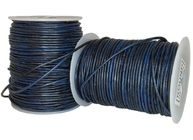
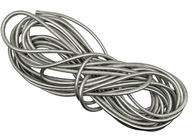
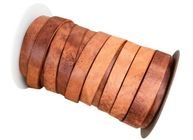
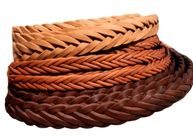
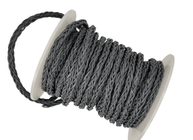
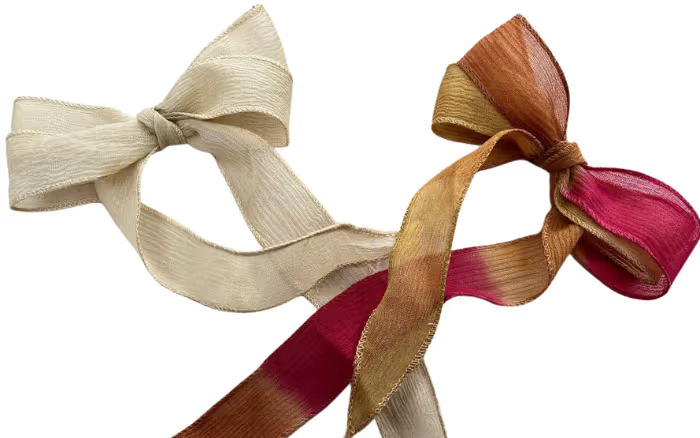
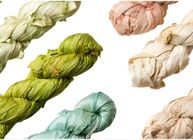
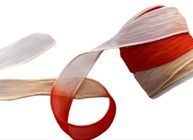
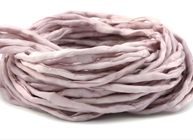
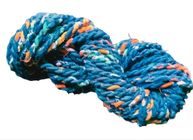
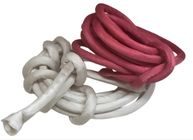
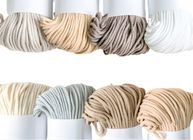
The great news about crochet is that you need very little to get going. At its most basic, you only need two things: a crochet hook and some yarn. You can also explore different cords and materials for crafting projects. A size 5.0 mm (H/8) hook is the most beginner-friendly option because it is large enough to see your stitches clearly but not so large that your work feels loose and unmanageable. Pair it with a medium-weight (worsted) yarn in a light, solid colour. Light colours make it far easier to count stitches when you are just learning.
Beyond the hook and yarn, a pair of scissors and a yarn needle for weaving in ends are the only other essentials. Everything else, from stitch markers to measuring tape, can wait until you are ready for more complex projects.
Understanding Hook Sizes and Yarn Weights
Hooks and yarn are a matched pair. Every ball of yarn has a label that recommends a hook size, and following that recommendation gives you the best results. For your first project, worsted weight yarn with a 5.0 mm hook is the standard starting point. As you gain confidence, you can explore thicker yarns with larger hooks for chunkier textures, or finer yarns with smaller hooks for more delicate work.
One tip that beginners often overlook: ergonomic hooks with a padded grip make a real difference, especially once you start crocheting for longer stretches. A cushioned handle reduces the tension in your fingers and wrist so you can focus on learning rather than on discomfort.
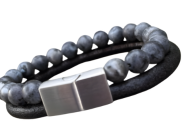
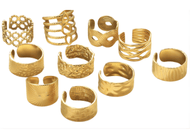
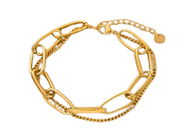
If you are exploring alternatives, you can also check different types of jewelry cords and threads for creative projects.
The Three Stitches Every Beginner Should Learn First
You do not need to learn every stitch before you start. Three stitches will carry you through dozens of beginner projects:
Slip knot and chain stitch. This is how every crochet project begins. Creating a chain is also how you practice the basic motion of pulling yarn through a loop, which is the foundation of every other stitch.
Single crochet (sc). The shortest and most compact stitch. Single crochet creates a dense, sturdy fabric that is perfect for dishcloths, pouches, and small accessories.
Double crochet (dc). Taller than single crochet, double crochet builds fabric faster and creates a slightly looser, more flexible texture. Most beginner scarves and blankets use double crochet because you see progress quickly.
Master these three and you already have the skills to complete a scarf, a dishcloth, a phone pouch, or a simple bag.
Your First Project: The Beginner Swatch
Before starting a full project, spend fifteen minutes making a practice swatch. Chain twenty stitches, then work single crochet back and forth for ten rows. This teaches you how to turn your work at the end of a row, how to count stitches, and how to keep your tension consistent. If your swatch is puckering or pulling, loosen your grip. If it looks floppy, try holding the yarn a little more firmly. Do not worry if it is imperfect. Every crocheter has a box of wonky practice swatches. The goal is building muscle memory, not perfection.
Setting Up a Comfortable Crochet Space
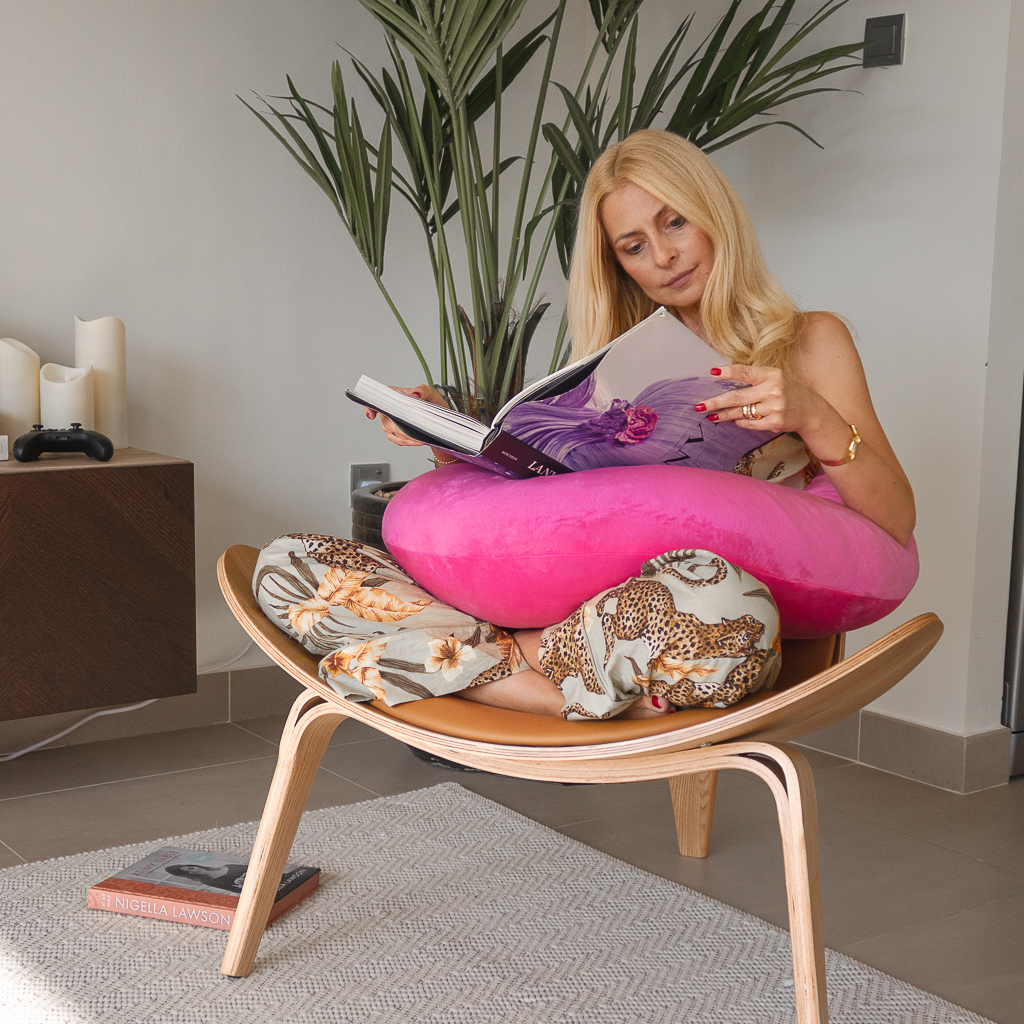
Where and how you sit matters more than most beginners realise. Crochet involves repetitive arm movements, and if your arms are unsupported for an extended session, your neck, shoulders, and wrists will feel it. Setting up a comfortable space from the very beginning builds good habits before any strain has a chance to develop.
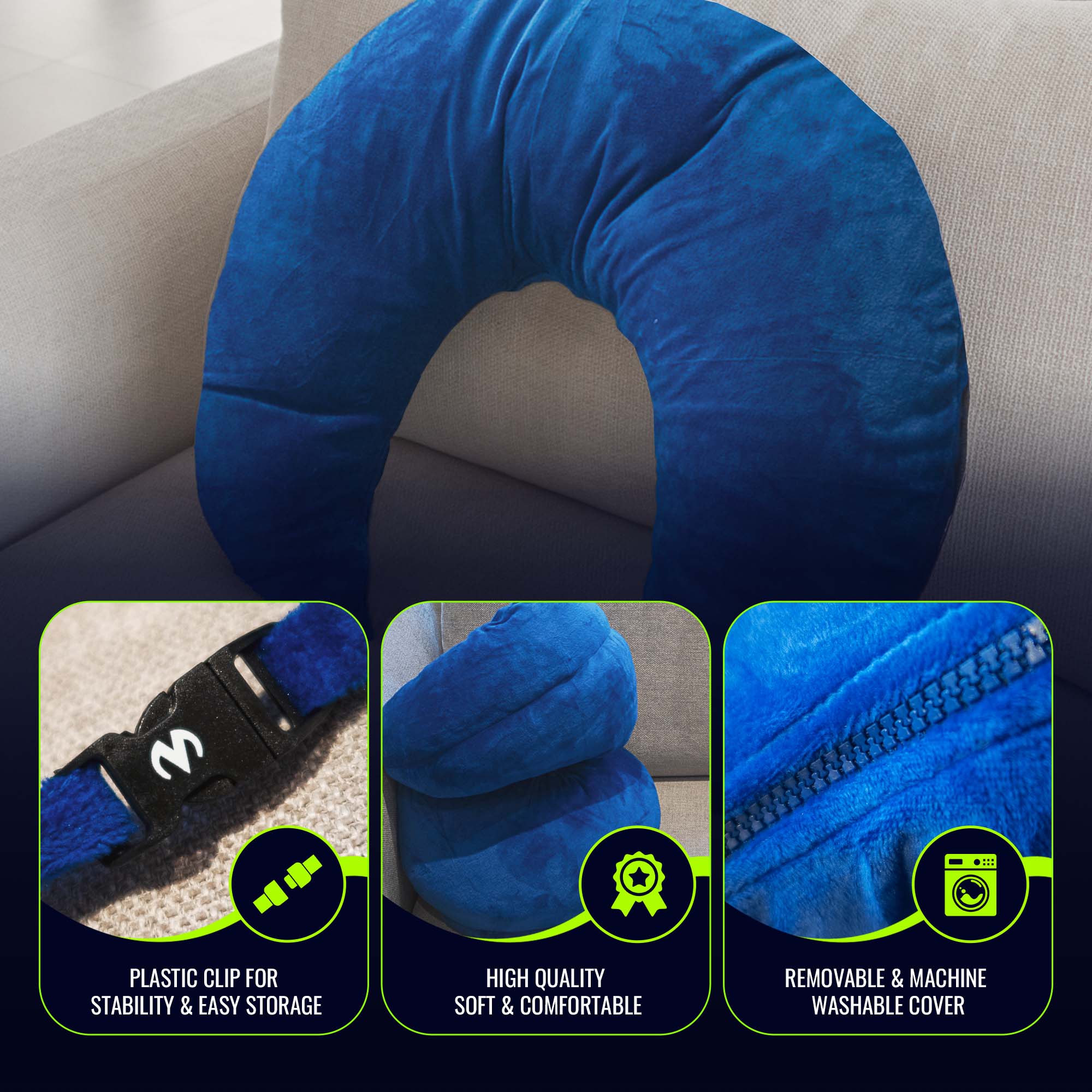
A firm chair with armrests is a good starting point. Many crafters add an ergonomic support pillow to their setup, which keeps their arms at a relaxed angle and reduces the load on their neck and shoulders. If you plan to crochet regularly, it is worth thinking about this early. Explore ergonomic crochet and knitting pillows at Sun Enterprises or browse the Crafteaze collection for pillow options designed specifically for crafters.
A Few Things That Trip Up Most Beginners
Losing count of your stitches is the most common beginner frustration. Use a stitch marker or a small piece of contrasting yarn at the beginning of each row until counting becomes second nature. Accidental increases and decreases usually come from crocheting into the wrong place at the ends of a row. Slow down and count every row until it feels automatic. The second trip-up is giving up too soon. The first hour of crochet is awkward for almost everyone. Give yourself a few sessions before you decide whether you enjoy it.
Ready to Start Crocheting?
Grab a hook, pick up some yarn, and make your first chain. You do not need the perfect setup or expensive materials to begin. What you need is a little patience and something to keep your hands comfortable as your skills grow. Browse ergonomic support pillows at Sun Enterprises or visit the full Crafteaze crafting collection to find the right support for your new hobby.


