


How to Choose the Best Leather Cord for Making Professional Bracelets
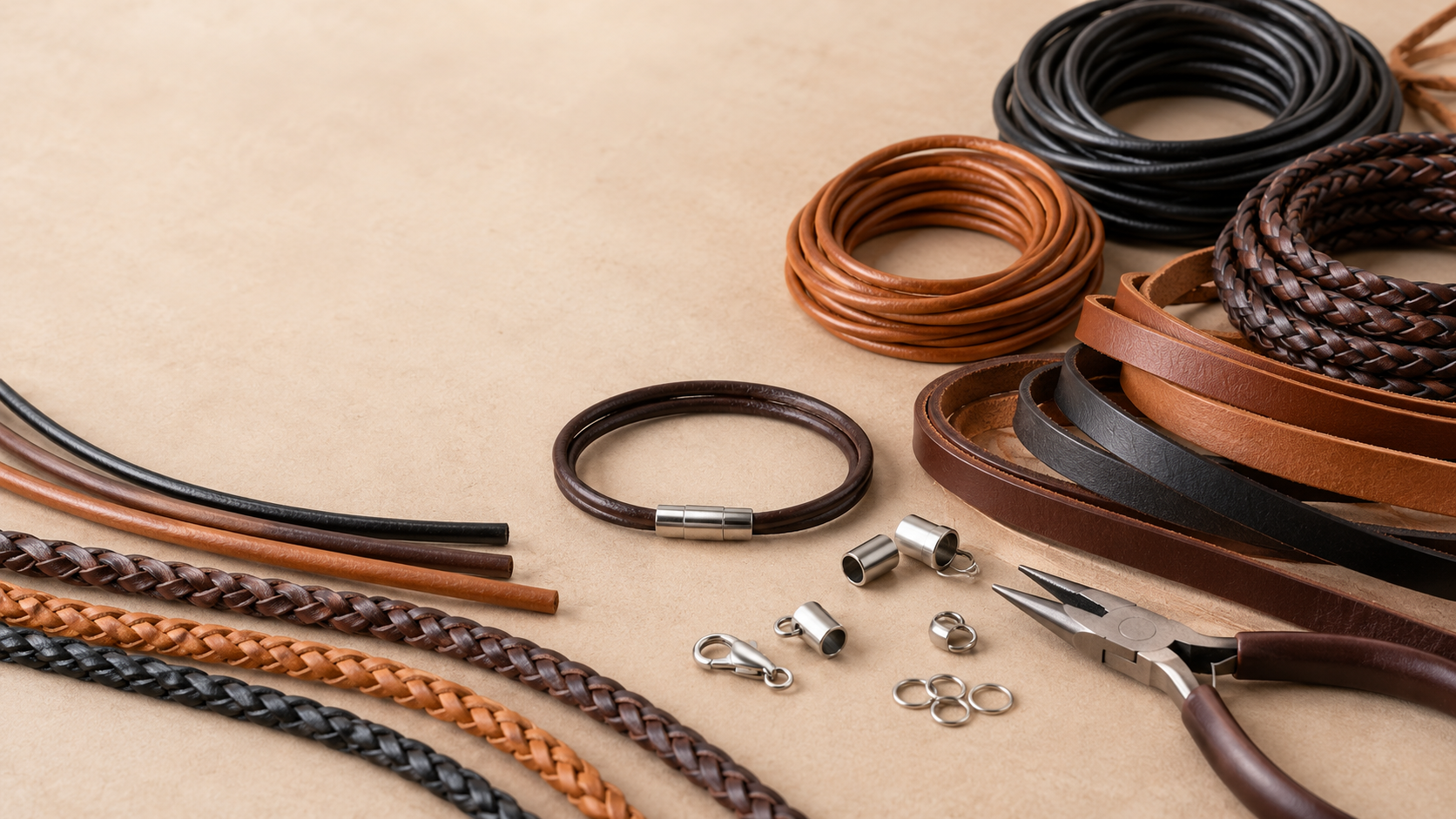
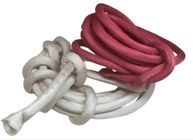
The best leather cord for professional bracelets is one that matches the design’s scale, survives daily wrist movement, and finishes cleanly with reliable findings. For most beaded or charm bracelets, start with 2–3 mm round genuine leather cord ; choose flat or braided cord for bolder, layered, or wrap-style designs.
Start With the Bracelet Style
Before choosing a cord, decide what the bracelet needs to do. A slim charm bracelet, a chunky statement cuff, and a multi-wrap design all place different demands on the material.
|
Bracelet style |
Best cord type |
Recommended size |
|
Delicate charm or beaded bracelet |
1.5–2 mm |
|
|
Everyday single-strand bracelet |
2–3 mm |
|
|
Bold statement bracelet |
3–5 mm |
|
|
Wrap bracelet |
3–5 mm |
|
|
Layered or textured design |
3–5 mm |
Round cord is the most versatile choice because it strings smoothly through bead holes and works well for clean, classic designs. Flat cord creates a more modern, architectural look, while braided cord adds visible texture and extra visual interest.
Choose the Right Thickness
Thickness affects comfort, durability, bead compatibility, and how “professional” the finished bracelet feels. For bracelets, 2–3 mm is the sweet spot: substantial enough to look intentional, but still flexible and comfortable on the wrist.
- 1–1.5 mm: Best for fine, lightweight designs, small-hole beads, and layered bracelets.
- 2 mm: The most versatile all-round bracelet cord; ideal for beads, charms, and simple clasps.
- 2.5–3 mm: Excellent for everyday bracelets and designs that need a more premium, tactile presence.
- 4–6 mm: Best for statement pieces, wrap bracelets, and bold masculine or unisex designs.
- 8–10 mm: Reserved for oversized accessories and dramatic strap-style jewellery.
A practical rule: the cord should be visibly smaller than the bead hole, but not so loose that beads slide around excessively. If the cord is too thick, it may not pass through the bead; if it is too thin, the bracelet can look fragile and move unevenly.
Pick the Best Cord Construction
Not all “leather cord” is made the same way. The construction determines flexibility, strength, surface finish, and how neatly the ends can be finished.
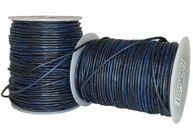
Round leather cord
Round cord is the safest professional choice for most bracelets. It has a smooth, consistent profile, strings easily through beads, and pairs well with crimp ends, end caps, and clasps.
Choose round cord when you want:
- A clean, timeless bracelet
- Easy bead stringing
- A slim, comfortable fit
- Reliable compatibility with standard jewellery findings
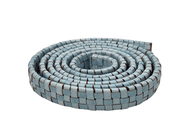
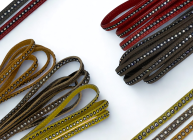
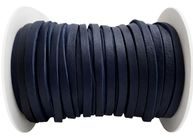
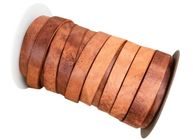
Flat leather cord
Flat cord has a ribbon-like profile and works especially well for contemporary bracelets, wrap designs, and multi-strand pieces. Its wider surface gives it a strong visual presence and helps it withstand repeated flexing at the wrist.
Choose flat cord when you want:
- A modern, fashion-led look
- A bolder bracelet silhouette
- Layered or wrap-around styling
- A cord that feels substantial without excessive bulk
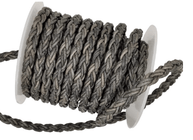
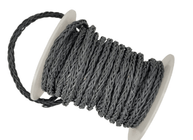
Braided leather cord
Braided cord is pre-braided, so it delivers texture without additional work. It is flexible and durable, making it a strong option for casual, boho, and statement bracelets. Its main limitation is that the braided surface can make threading through very small bead holes more difficult.
Choose braided cord when you want:
- Visible craftsmanship and texture
- A relaxed, artisanal aesthetic
- A durable cord for daily wear
- A design that does not rely on tiny bead holes
Check Quality Before You Buy
A professional bracelet depends on cord quality as much as design. Inspect the cord before buying in bulk, especially if you sell your jewellery.
Look for:
- Consistent diameter: Inconsistent thickness makes findings fit poorly and creates an uneven finished look.
- Smooth, clean surface: Avoid cords with rough patches, loose fibres, cracks, or visible glue residue.
- Even colour: Poor dyeing can transfer colour to skin or clothing and fade unevenly over time.
- Good flexibility: The cord should bend smoothly without kinking, cracking, or losing its shape.
- Minimal odour: A strong chemical smell can indicate low-quality processing or finishing.
- Reliable core: For round cord, check that it is not hollow, flattened, or loosely filled.
For bracelets that will be worn daily, genuine leather in a 2–3 mm diameter is usually the most dependable starting point.
Match the Cord to Your Findings
The cord and findings must be designed for each other. A beautiful bracelet can still fail if the end caps are too loose, too tight, or incompatible with the cord’s thickness.
For leather cord bracelets, common finishing options include:
- Crimp cord ends: Ideal for 1.5–2 mm round cord; they clamp around the cord and create a loop for a clasp.
- Glue-in end caps: Best for round cord, especially 2 mm and above; use a small amount of jewellery adhesive for extra security.
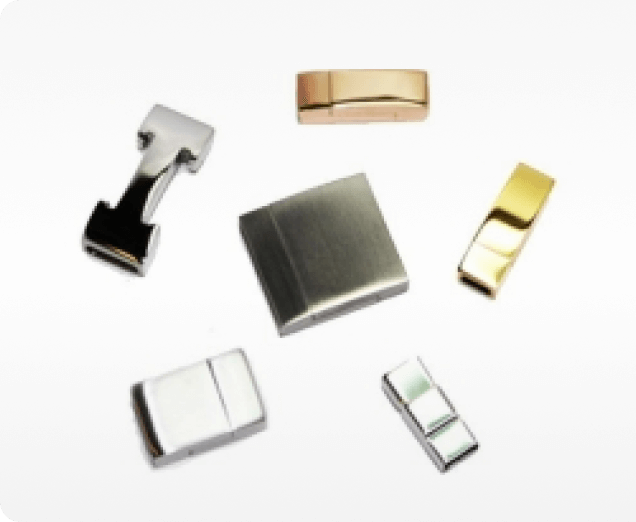
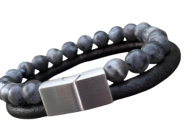
- Magnetic tube clasps: Convenient and sleek, particularly for thicker cords; add glue where the manufacturer recommends it.
- Box closers: Useful for finer cords, though very thin cord may need to be folded or reinforced for a secure hold.
- Lobster clasps and jump rings: A secure, familiar closure that works well with crimped or capped cord ends.
Always buy findings based on the actual measured cord diameter, not the size printed on the packaging. Test one cord-and-finding combination before ordering production quantities.
Choose Colour With Intention
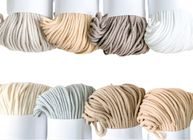
Colour should support the overall design rather than compete with it. Neutral cords are the easiest to sell because they suit more skin tones, outfits, and bead combinations.
Reliable professional colour choices include:
- Black: Clean, versatile, and ideal for silver, gunmetal, and monochrome designs.
- Dark brown: Warm and premium; pairs beautifully with brass, antique gold, wood, and earthy gemstones.
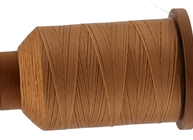
- Tan or cognac: Excellent for artisanal, boho, and natural-material designs.
- Grey: Modern and understated; works well with stainless steel and cool-toned metals.
- Deep navy or burgundy: Adds character while remaining wearable and commercial.
If using dyed leather, test it for colour transfer, especially if the bracelet will be worn against skin or light clothing.
Test Before You Commit
Professional makers test materials before scaling up. Cut a short sample of cord, attach your intended findings, and wear or flex the sample repeatedly.
Your test should confirm that the cord:
- Fits the end caps or crimps securely
- Does not crack or fray when bent
- Holds its colour
- Feels comfortable against the wrist
- Supports the weight of beads, charms, or pendants
- Produces a bracelet that looks balanced from every angle
Add a little extra cord length when cutting to allow for loops, end caps, knots, or clasp attachments.sunenterprises+1
Quick Buying Checklist
Use this checklist before ordering leather cord for bracelet production:
- Choose 2–3 mm round genuine leather for most professional bracelets.
- Use flat or braided cord for bold, wrap, or textured designs.
- Match the cord diameter precisely to your crimps, end caps, and clasps.
- Check for consistent thickness, smooth finish, even colour, and flexibility.
- Test colour transfer and durability before buying in bulk.
- Choose findings that suit the cord’s actual size and construction.
- Keep neutral colours such as black, brown, tan, and grey in your core range.
The right leather cord should feel good in the hand, look considered on the wrist, and finish cleanly. Get those three things right, and even a simple single-strand bracelet can look genuinely professional.
FAQ
Should I use round, flat, or braided leather cord?
Use round cord for classic beaded and charm bracelets, flat cord for modern or wrap designs, and braided cord for textured, boho, or statement bracelets.
What size cord fits standard bracelet beads?
A 1.5–2 mm cord is best for smaller bead holes, while 2–3 mm suits most medium-hole beads and creates a more substantial bracelet.
What findings work best with leather cord?
Crimp cord ends, glue-in end caps, magnetic tube clasps, and lobster clasps are all popular options. Always match the finding size to the cord’s actual diameter.
How do I know if leather cord is good quality?
Look for consistent thickness, a smooth surface, even colour, good flexibility, and no cracking, fraying, or strong chemical smell.
Can I use faux leather or suede cord for bracelets?
Yes, but genuine leather is usually more durable for everyday bracelets. Suede and faux leather are better suited to lightweight or occasional-wear designs.
How much extra leather cord should I cut?
Add extra length for knots, loops, end caps, and clasp attachments. Testing a sample first is the safest way to determine the exact length for your design.


