



How to Choose Sustainable Alternatives to Leather Cord
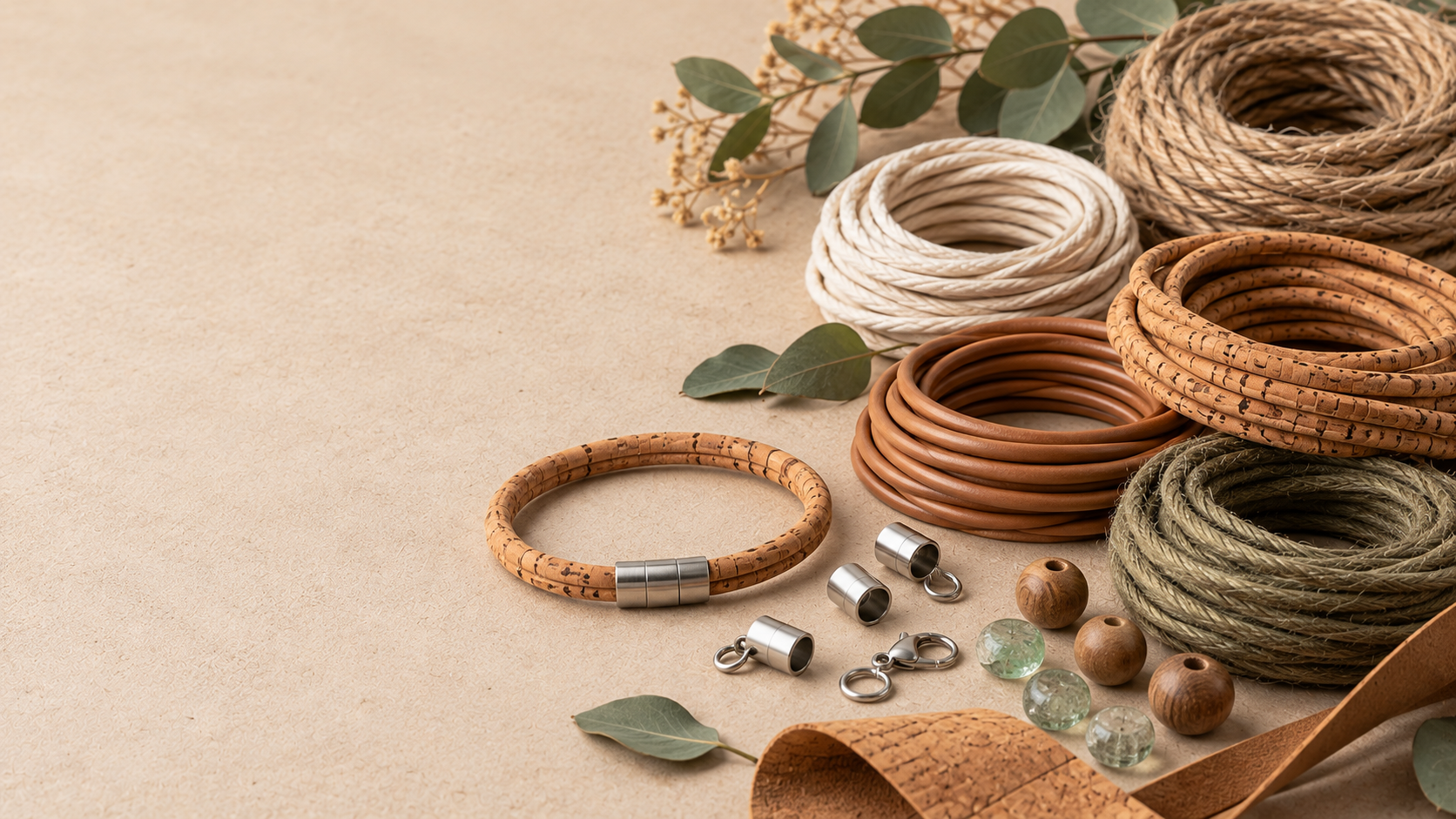
Choosing a sustainable alternative to leather cord does not mean giving up style, strength, or choice. Cork, organic cotton, hemp, jute, recycled cords, and carefully selected vegan leather alternatives can all create beautiful jewellery while reducing the use of animal-based materials.
The best option depends on your design: cork and vegan leather suit structured bracelets, cotton and hemp work well for macramé and casual pieces, while recycled cords are ideal for brands that want to reduce waste without losing durability.
Why Choose an Alternative to Leather Cord?
Many jewellery makers and customers are looking for materials with a lower environmental impact. Traditional leather production uses animal hides and can involve significant water, chemical, and land use, depending on how it is produced.
Sustainable alternatives can help you:
- Reduce reliance on animal-derived materials
- Use plant-based, recycled, or upcycled resources
- Offer vegan-friendly jewellery options
- Create designs with natural textures and earthy colours
- Appeal to customers who value ethical and eco-conscious products
Sustainability is not only about the cord itself. It also includes how long the finished jewellery lasts, how it is packaged, and whether the materials can be traced back to a responsible source.
Cork Cord: A Natural Leather Look
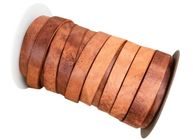
Cork cord is one of the most attractive alternatives to leather. It has a warm, natural surface and can be made into flat or round cords for bracelets, necklaces, and wrap designs.
Cork is harvested from the bark of cork oak trees without cutting the tree down, and the bark can regrow over time. This makes it a renewable and biodegradable material.
Cork cord works especially well for:
- Cuff-style bracelets
- Wrap bracelets
- Natural or boho necklaces
- Earthy designs with wooden beads
- Vegan jewellery that still has a leather-like look
Choose cork cord when you want a distinctive texture and a more premium, natural feel. It pairs beautifully with stainless steel, brass, wood, and neutral gemstones.
Organic Cotton Cord: Soft and Versatile
Cotton cord is one of the easiest sustainable alternatives to work with. It is soft, flexible, and comfortable against the skin, making it ideal for bracelets, necklaces, and macramé designs.
For a more sustainable choice, look for:
- Organic cotton
- Unbleached or naturally coloured cotton
- Recycled cotton
- Cords dyed with low-impact or natural dyes
Cotton cord is particularly good for:
- Macramé bracelets
- Friendship bracelets
- Layered necklaces
- Casual everyday jewellery
- Boho and minimalist designs
Its main limitation is durability. Cotton is softer than leather or cork, so it may not be the best choice for very heavy pendants or jewellery that will be exposed to lots of water and friction.
Hemp Cord: Strong and Rustic
Hemp cord is strong, textured, and naturally suited to handmade jewellery. It is a fast-growing plant fibre that generally needs less water and fewer chemicals than many conventional crops.
Hemp works well for:
- Knotted bracelets
- Macramé designs
- Surfer-style jewellery
- Earthy, rustic collections
- Adjustable cord bracelets
Its slightly rough texture gives jewellery a handcrafted feel. Pair it with wooden beads, recycled glass, natural stones, or simple metal charms for a relaxed, organic look.
Hemp is a strong choice when durability matters, but its texture may feel too coarse for very fine or delicate designs.
Jute Cord: Earthy and Biodegradable
Jute is a plant fibre that is biodegradable and compostable. It grows quickly and usually needs relatively little water and few chemical inputs, making it one of the most environmentally friendly cord options available.
Jute cord is best for:
- Statement bracelets
- Chunky wrap designs
- Natural, rustic jewellery
- Eco-themed collections
- Designs with wooden beads or recycled materials
Because jute has a coarser texture, it is not always the best choice for fine, delicate jewellery. Instead, use it when you want the material itself to become part of the design.
Recycled Cord: Reduce Waste Without Losing Strength
Recycled cords are a practical option for jewellery makers who want durability along with a lower-waste approach. Recycled polyester cord, for example, can be made from post-consumer plastic bottles or textile waste.
Recycled materials can include:
- Recycled polyester cord
- Recycled cotton cord
- Recycled leather cord
- Upcycled fabric strips
- Reclaimed cords from old jewellery or accessories
Recycled leather cord is made by repurposing offcuts and scraps from existing leather production. This helps keep usable material out of landfill and reduces the need for new raw materials.
Recycled cords are especially useful for:
- Everyday bracelets
- Colourful modern designs
- Durable adjustable closures
- Brands that want a circular or waste-reducing story
Vegan Leather Cord: A Familiar Look
Vegan leather cord is designed to look and feel like leather without using animal products. It can be made from materials such as polyurethane, recycled plastics, cork, pineapple fibres, cactus leather, or other plant-based sources.
Vegan cord is a good choice when you want:
- A smooth, leather-like finish
- A wide colour range
- Consistent thickness
- A structured look for bracelets and necklaces
- A vegan-friendly product option
However, not all vegan leather is equally sustainable. Some options still rely heavily on synthetic materials and binders. When choosing vegan cord, look for clear information about the materials used, the percentage of plant-based content, and the backing material.
Cork-based vegan cord is often one of the stronger choices because it uses a renewable plant material rather than relying only on plastic-based components.
How to Choose the Right Alternative
The best sustainable cord depends on the style, strength, and story you want your jewellery to have.
| Cord type | Best for | Look and feel | Sustainability strength |
|---|---|---|---|
| Cork cord | Cuffs, wraps, natural designs | Warm, textured, leather-like | Renewable and biodegradable |
| Organic cotton | Macramé, casual bracelets | Soft, light, comfortable | Renewable and biodegradable |
| Hemp cord | Knotted and boho designs | Strong, rustic, textured | Fast-growing plant fibre |
| Jute cord | Chunky, earthy designs | Coarse, natural, organic | Biodegradable and compostable |
| Recycled cord | Everyday and modern designs | Smooth, colourful, durable | Reduces waste |
| Vegan leather | Structured, leather-look designs | Smooth and consistent | Animal-free; sustainability varies by material |
If you want a leather-like appearance, start with cork or a well-sourced vegan cord. If you want a softer, handmade feel, choose organic cotton or hemp. If durability and colour choice are your priority, recycled cord may be the best fit.
Match the Cord to Your Design
A sustainable cord should still suit the jewellery you are making. Think about the weight of the beads, the type of clasp, and how often the piece will be worn.
For example:
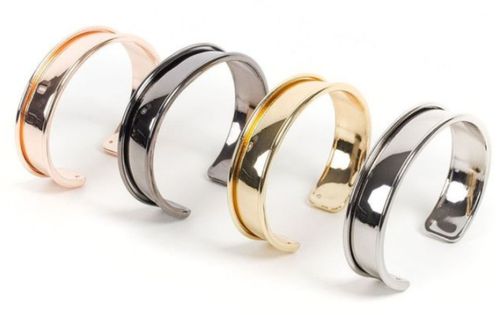
- Use cork cord for a wide cuff bracelet with a stainless-steel clasp.
- Use organic cotton cord for a knotted friendship bracelet or macramé design.
- Use hemp cord for an adjustable bracelet with wooden beads.
- Use jute cord for a chunky, earthy statement piece.
- Use recycled polyester cord for a colourful, durable everyday bracelet.
- Use vegan leather cord for a sleek, modern necklace or bracelet.
Also check that the cord thickness matches your beads, end caps, and clasps. A sustainable material should not come at the cost of a weak or poorly finished piece.
Avoid Greenwashing
“Eco-friendly” and “vegan” do not always mean the same thing. A cord can be animal-free but still made mostly from new plastic, while another cord may be plant-based but treated with chemicals that reduce its environmental benefits.
Before buying, ask suppliers:
- What is the cord made from?
- Is it plant-based, recycled, or synthetic?
- How is it coloured or coated?
- Is it biodegradable, recyclable, or reusable?
- Are there certificates or traceability details?
- How durable is it in real wear?
Clear material information helps you make honest claims and build trust with customers.
Simple Sustainable Design Ideas
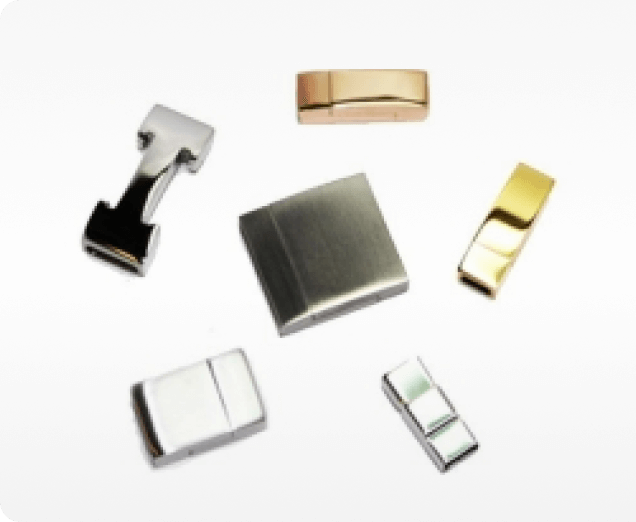
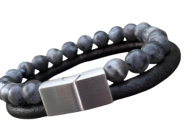
- Cork and steel bracelet: Flat cork cord with a brushed stainless-steel magnetic clasp.
- Cotton macramé bracelet: Organic cotton cord with wooden beads and an adjustable sliding knot.
- Hemp charm bracelet: Natural hemp cord with recycled glass beads and a simple metal charm.
- Jute wrap bracelet: Chunky jute cord with natural stone accents.
- Recycled cord necklace: Recycled polyester cord with a recycled metal pendant.
- Vegan leather bracelet: Cork-based vegan cord with a minimal stainless-steel clasp.
FAQ
What is the best sustainable alternative to leather cord?
Cork cord is one of the best all-round options because it is renewable, biodegradable, and has a natural leather-like look. Organic cotton, hemp, jute, and recycled cords are also strong choices depending on the design.
Is vegan leather cord always sustainable?
No. Vegan means it does not use animal products, but some vegan cords are still made mainly from synthetic materials. Look for cork, plant-based fibres, recycled content, and clear supplier information.
Is cork cord durable enough for jewellery?
Yes. Cork cord can be durable and comfortable for bracelets, necklaces, and wrap designs, especially when paired with suitable findings and clasps.
Which natural cord is best for macramé jewellery?
Organic cotton cord is soft and easy to knot, while hemp cord is stronger and has a more rustic texture. Both work well for macramé bracelets and necklaces.
Is jute cord good for bracelets?
Jute is excellent for chunky, earthy, or statement bracelets. Its coarse texture makes it less suitable for very fine or delicate designs.
What is recycled leather cord?
Recycled leather cord is made by repurposing leather offcuts and scraps from existing production. It helps reduce waste while keeping much of the look and strength of traditional leather.
How can I make my jewellery more sustainable?
Choose responsibly sourced cords, use durable findings, avoid unnecessary plastic packaging, design pieces that last, and be clear about the materials you use.


