


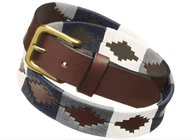





THE ECOLOGICAL WORLD OF LEATHER
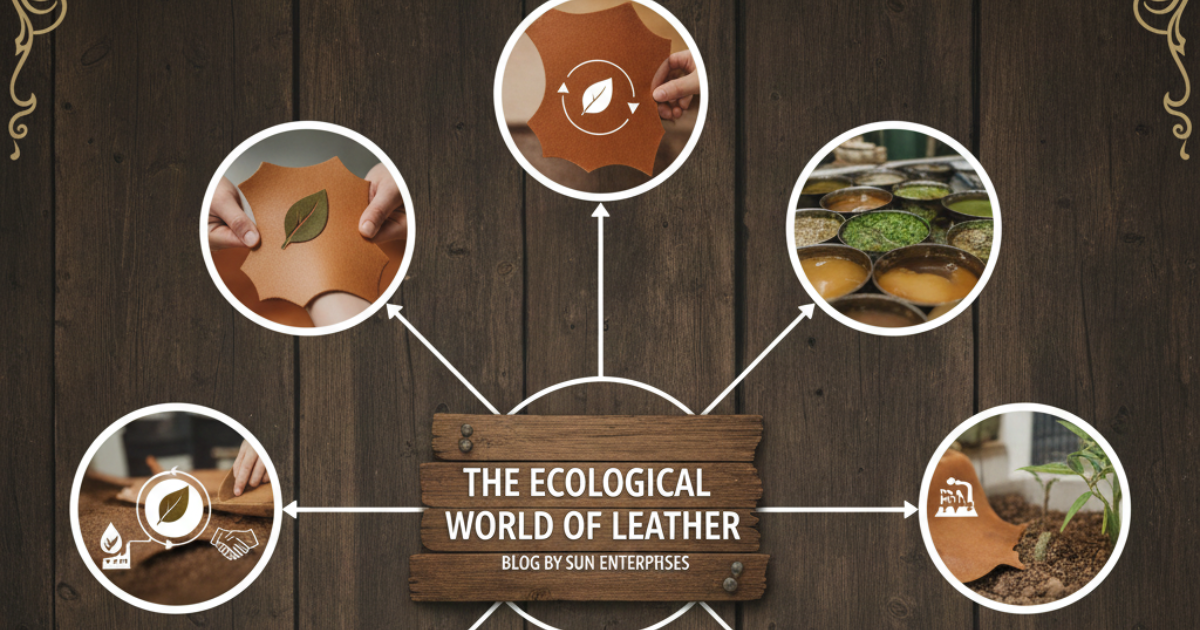
The Ecological World of Leather: Nature, Responsibility, and the Future of a Timeless Material
Leather has been part of human life for thousands of years. From clothing and tools to furniture and fashion, it has always been valued for its strength, flexibility, and beauty. Today, however, the way we look at leather is changing. People no longer ask only if leather is durable or stylish. They also ask a more important question: How ecological is leather?
The ecological world of leather is a complex balance between nature, industry, responsibility, and innovation. It includes animal farming, tanning, water use, chemical safety, recycling, and sustainability. Understanding this world helps both businesses and consumers make more thoughtful choices.
Leather as a Natural By-Product
One of the most important ecological facts about leather is that it is a natural by-product of the food industry. Animals are raised mainly for meat, and the hides are a secondary material. Instead of being thrown away as waste, these hides are transformed into leather products.
From an ecological perspective, this means:
-
Leather helps reduce organic waste
-
It gives value to a material that would otherwise be discarded
-
It turns leftovers into long-lasting useful goods
In this sense, leather supports a circular use of natural resources when managed responsibly.
The Environmental Challenges in Leather Production
Even though leather is a natural material, its production is not automatically ecological. The transformation from raw hide to finished leather requires multiple industrial processes, and these can affect the environment if not controlled properly.
The main ecological challenges in leather production include:
-
High water consumption
-
Chemical use in tanning
-
Wastewater pollution
-
Solid waste from trimming and finishing
-
Energy use in drying and processing
If these processes are poorly managed, they can harm rivers, soil, air, and nearby communities. This is why modern leather production must follow strict environmental standards.
Tanning and Its Ecological Impact
Tanning is the process that turns raw animal skin into durable leather. Without tanning, hides would quickly decay. There are two main types of tanning:
Chrome tanning is the most common method today. It is fast, efficient, and produces soft, durable leather. However, if chemicals are not controlled properly, it can pollute water systems.
Vegetable tanning uses natural plant materials such as tree bark and leaves. It is more traditional and environmentally friendly, but it takes much longer and is often more expensive.
Many modern tanneries now combine efficiency with safety by using controlled chrome tanning with advanced wastewater treatment systems to reduce ecological impact.
The Role of Water in the Leather Industry
Water is one of the most important resources in leather production. It is used for washing, soaking, tanning, and dyeing. In the past, untreated wastewater from tanneries caused serious pollution.
Today, responsible leather factories invest in:
-
Wastewater treatment plants
-
Water recycling systems
-
Closed-loop water circulation
-
Filtration and purification technologies
These systems allow water to be cleaned and reused, drastically reducing environmental damage. Water management is one of the clearest indicators of whether a leather producer is truly ecological or not.
Chemical Safety and Ecological Regulations
Modern ecological leather production is strongly connected to international regulations. One of the most important is REACH, the European regulation that controls chemical use.
REACH limits or bans:
-
Toxic dyes
-
Heavy metals
-
Harmful preservatives
-
Dangerous finishing chemicals
By following REACH and other environmental standards, leather manufacturers protect:
-
Factory workers
-
End consumers
-
Water systems
-
Soil and wildlife
Ecological leather today is not possible without strict chemical safety control.
Energy Use and Carbon Footprint in Leather Production
Every industrial process consumes energy, and leather production is no exception. Machines are used for:
-
Drying
-
Tanning
-
Finishing
-
Cutting
-
Pressing
This energy often comes from electricity and fuel. To reduce environmental impact, modern factories now invest in:
-
Energy-efficient machinery
-
Solar and renewable energy
-
Reduced heat consumption
-
Better insulation and smart systems
Lower energy use means lower carbon emissions and a smaller environmental footprint.
The Long Life of Leather as an Ecological Advantage
One of the strongest ecological advantages of leather is its long lifespan. A well-made leather product can last for decades. This makes leather very different from fast-fashion materials that wear out quickly and create constant waste.
From an ecological point of view:
-
Long-lasting products reduce consumption
-
Fewer replacements mean less production waste
-
Less packaging and transportation are required
-
Old leather items can be repaired instead of replaced
Durability is one of the most sustainable qualities a material can have.
Recycling and Reuse in the Leather World
Leather is also part of the growing recycling movement. Offcuts and production leftovers can be reused in:
-
Small accessories
-
Patchwork designs
-
Key holders and small goods
-
Decorative items
There is also bonded leather, created from leather fibers mixed with natural binders. While it is lower in quality, it helps reduce leather waste.
In addition, old leather products can often be:
-
Repaired
-
Re-stitched
-
Re-dyed
-
Repurposed into new items
This extends the life cycle of leather and reduces environmental pressure.
Ethical Animal Farming and Ecology
Ecology in the leather industry does not only involve factories. It also begins with animal farming. Responsible leather production requires:
-
Ethical treatment of animals
-
Legal and traceable sourcing
-
Compliance with animal welfare standards
-
Transparency in supply chains
When hides come from regulated food systems and ethically managed farms, leather becomes part of a responsible ecological cycle, not exploitation.
Consumer Responsibility in the Ecological World of Leather
The ecological impact of leather is influenced not only by producers, but also by consumers. Every purchase decision sends a message to the market.
Environmentally conscious consumers can:
-
Choose quality over quantity
-
Buy from transparent brands
-
Care for their leather products properly
-
Repair instead of replacing
-
Avoid fast-fashion leather alternatives
When customers support responsible producers, they help push the entire industry toward better ecological practices.
Innovation and the Future of Ecological Leather
The leather industry is actively searching for new ways to reduce environmental impact. Innovation today focuses on:
-
Water-saving technologies
-
Plant-based tanning alternatives
-
Lower-emission production systems
-
Digital monitoring of chemical use
-
Traceability and blockchain for sourcing
There is also increasing research into bio-based and lab-grown leather alternatives, which aim to mimic the properties of leather using fewer natural resources.
While traditional leather will remain important, these innovations will shape the future ecological balance of the industry.
The Ecological Approach at Sun Enterprises
At Sun Enterprises, we understand that leather today must meet more than just quality and design standards. It must meet ecological responsibility as well.
Our ecological focus includes:
-
REACH-compliant materials
-
Controlled chemical use
-
Responsible supplier selection
-
Long-lasting product design
-
Support for sustainable manufacturing practices
We believe that the true value of leather lies not only in how it looks, but also in how responsibly it is produced.
Final Thoughts
The ecological world of leather is not simple. It is a complex system that connects animals, nature, factories, regulations, technology, and consumers. Leather can be both a sustainable material and an environmental challenge, depending on how it is produced and used.
When managed responsibly, leather becomes a beautiful example of how natural resources can be transformed into long-lasting, meaningful products without unnecessary waste. The future of leather depends on transparent production, informed consumers, and continuous ecological innovation.
Sustainability is no longer a trend. It is the new standard, especially at Sun Enterprises!


