


How to Make a Professional Leather Bracelet for Wholesale
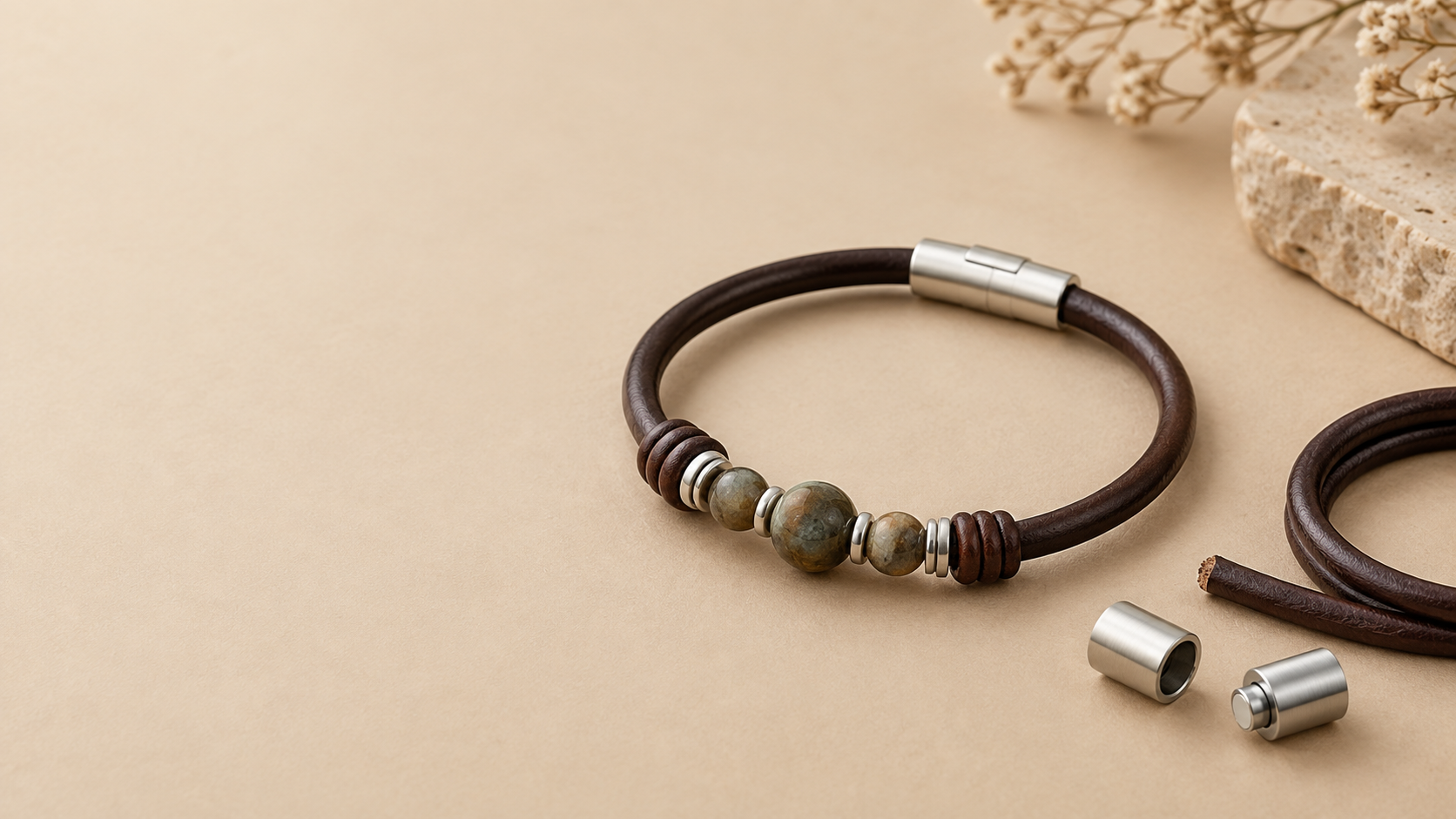
Creating a professional leather bracelet requires more than choosing an attractive cord and clasp. The materials must work well together, the bracelet should be comfortable to wear and every piece should have a consistent, high-quality finish.
Whether you are a jewellery designer, retailer, fashion brand or beginner developing a new collection, choosing the right leather cord, clasp and components is an important first step towards creating successful wholesale jewellery.
What You Need to Make a Leather Bracelet
The exact materials depend on your design, but a basic leather bracelet usually requires:
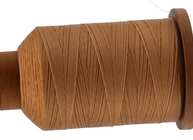
- Leather cord.
- A clasp.
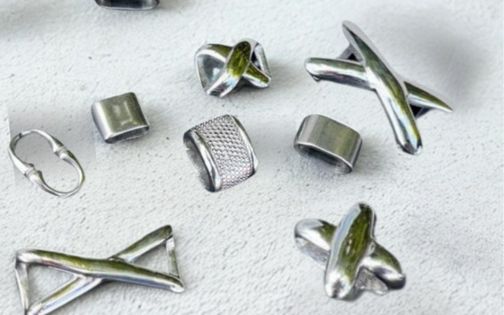
- End caps or connector clasps.
- Jewellery adhesive.
- Scissors or a sharp craft knife.
- A ruler or measuring tape.
- Pliers, if you are using jump rings or an extension chain.
- Optional beads, gemstones or decorative components.
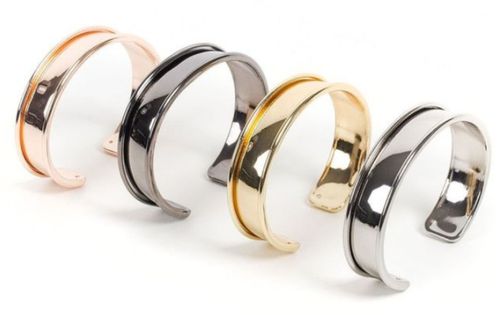
Sun Enterprises offers leather cords, jewellery clasps, end caps, connectors, chains, gemstones and other jewellery-making components for creating bracelets and accessories. Explore the Sun Enterprises jewellery components collection
Step 1: Choose the Bracelet Design
Before selecting your materials, decide what type of bracelet you want to create.
Popular styles include:
- Single-cord leather bracelets.
- Double-cord bracelets.
- Flat leather bracelets.
- Braided leather bracelets.
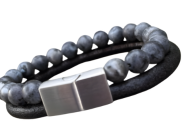
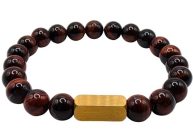
- Leather and gemstone bracelets.
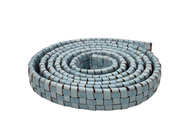
- Regaliz leather bracelets.
- Adjustable leather bracelets.
- Leather bracelets with magnetic clasps.
The design determines the thickness, flexibility, and number of cords you will need. It also affects the type of clasp and end components that will fit the bracelet.
For example, a simple round leather cord can create a minimal everyday bracelet, while a wide flat cord or regaliz cord can create a bolder statement design.
Step 2: Select the Right Leather Cord
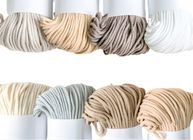
Leather cords are available in different shapes, sizes, colours and finishes. The best option depends on the style and purpose of the bracelet.
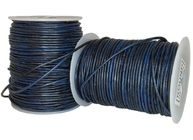
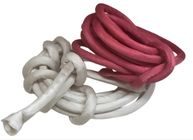
Round leather cord
Round leather cord is a versatile choice for bracelets and necklaces. It works well with many types of end caps, clasps, beads and pendants.
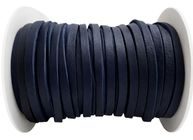
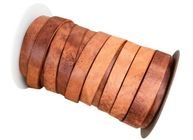
Flat leather cord
Flat cord creates a wider surface and a more noticeable appearance. It can be suitable for statement bracelets and designs with larger clasps or decorative elements.
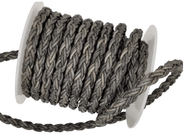
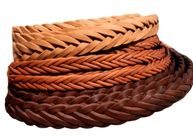
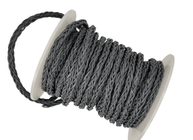
Braided leather cord
Braided cord adds texture and visual interest. It can be used to create casual, fashion-inspired or bohemian-style bracelets.
Suede and textured leather
Suede and other textured materials can give a softer and more natural appearance. They are often used in layered designs or combined with beads and gemstones.
Vegan leather cord
Vegan leather can be an alternative for brands that prefer not to use animal leather. Before selecting it for production, check that the material has the strength and finish required for your design.
When choosing a cord, consider:
- Diameter or width.
- Flexibility.
- Colour.
- Texture.
- Strength.
- Compatibility with the clasp.
- The intended retail price of the finished bracelet.
Sun Enterprises offers a wide range of leather cord types, sizes and colours, making it possible to select materials for different jewellery styles and collections. Browse leather cords
Step 3: Match the Cord with the Clasp
The clasp must be compatible with the size and shape of the leather cord. A clasp opening that is too small may not fit the cord, while an opening that is too large may create a loose or unfinished appearance.
For round leather cords, check that the inner diameter of the clasp corresponds with the cord diameter. If you are using multiple cords, remember to consider their combined thickness.
For example, two 4 mm cords require a clasp opening that can accommodate both cords. The exact fit may also depend on the softness and flexibility of the material. You can learn more in Sun Enterprises’ guide to choosing clasps and cords for bracelets.
Common clasp options include:
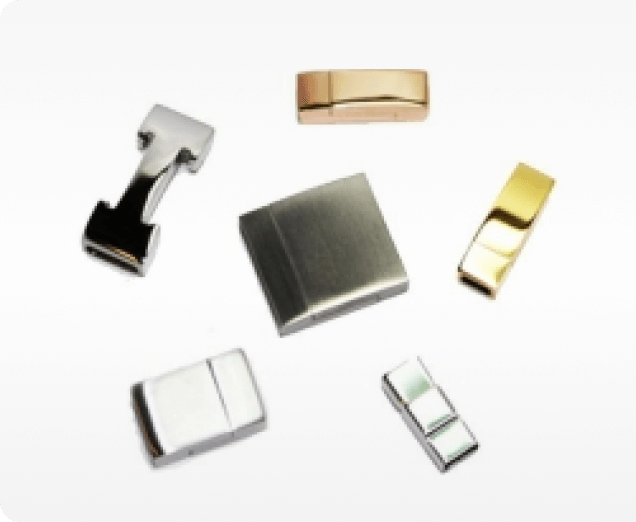
- Magnetic clasps.
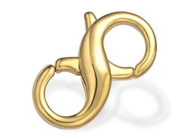
- Connector clasps.
- Toggle clasps.
- Lobster clasps.
- Slider clasps.
- Clasps with extension chains.
Magnetic clasps
Magnetic clasps are popular because they are easy to open and close. They can also create a clean and modern appearance.
Connector clasps
Connector clasps can be used to join one or more cords to the closure. They are available in different shapes, sizes and finishes.
Extension chains
An extension chain can make the bracelet more adjustable. This can be useful when a design is produced in a standard size for different customers.
Always test the cord and clasp together before starting assembly. This helps you identify fitting problems before cutting or gluing the material.
Step 4: Measure the Bracelet
A professional bracelet should be comfortable and consistent in size.
To determine the bracelet length:
- Measure the wrist using a flexible measuring tape.
- Decide whether the bracelet should fit closely or loosely.
- Add the length of the clasp and other end components.
- Consider the thickness and flexibility of the cord.
- Create a sample and test how it feels when worn.
When preparing bracelets for a collection, decide whether you will offer:
- One standard size.
- Several size options.
- An adjustable design.
- A made-to-measure service.
It is useful to create a written measurement guide so that every bracelet is made according to the same specifications.
Step 5: Cut and Prepare the Leather Cord
Once the measurements have been confirmed, cut the cord carefully.
The ends should be:
- Straight.
- Clean.
- Even.
- Free from loose fibres or fraying.
A sharp pair of scissors or a suitable craft knife can help create a cleaner cut. Avoid crushing the cord, as a damaged end may not fit securely inside the clasp.
Before applying adhesive, test the cord inside the end cap or clasp. This confirms that the size is suitable and that the cord can be inserted far enough.
For a cleaner adhesive bond, the end of the cord can be gently cleaned with isopropyl alcohol and allowed to dry fully. The surface should be free from dust, oil and other residue before the adhesive is applied. Read more about professional leather cord finishing.
Step 6: Attach the End Caps and Clasp
After preparing the cord, attach the end components.
- Apply a small amount of suitable jewellery adhesive inside the end cap or clasp.
- Insert the leather cord completely.
- Hold the cord in position for approximately 30 seconds.
- Remove any visible excess adhesive.
- Check that the cord is straight and centred.
- Leave the bracelet undisturbed while the adhesive cures.
The exact adhesive and curing time depend on the leather type, clasp material and product instructions. Always follow the instructions for the adhesive you are using. The Sun Enterprises finishing guide recommends allowing the adhesive to cure fully, which may take between 24 and 48 hours.
Do not test or wear the bracelet before the adhesive has cured. Moving the components too early can weaken the connection.
Step 7: Add Beads or Gemstones
Leather bracelets can be combined with beads, gemstones and metal components to create a more distinctive design.
Possible combinations include:
- Leather cord with natural gemstones.
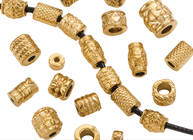
- Leather with stainless-steel beads.
- Leather with silver-coloured components.
- Multiple leather cords with a central bead.
- Leather and wire-wrapped gemstone sections.
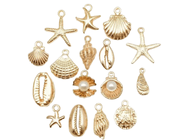
- Cord bracelets with decorative charms.
When using beads or gemstones, make sure their holes are suitable for the cord or jewellery wire. Heavier components may also require a stronger clasp and more secure construction.
For some designs, beads can be attached to jewellery wire and connected to the leather cord through a suitable clasp. This can create a more secure and professional finish than attempting to glue beads directly into a clasp. Learn more about combining leather cords with beads and gemstones.
Step 8: Check the Finished Bracelet
Before wearing, photographing or selling the bracelet, inspect every part of the design.
Check that:
- The cord is the correct length.
- Both ends are inserted evenly.
- The clasp opens and closes correctly.
- No excess adhesive is visible.
- The cord is not frayed or damaged.
- The bracelet sits comfortably on the wrist.
- The components are aligned correctly.
- The colours and finishes match the design.
- The connection feels secure.
If you are making several bracelets with the same design, compare them side by side. Consistent length, colour, clasp position and finishing are important for creating a professional jewellery collection.
Preparing a Leather Bracelet Design for Wholesale
When creating a bracelet for wholesale, the design should be attractive but also practical to reproduce.
Use repeatable materials
Choose cords and components that are available in consistent sizes and colours. This makes it easier to reproduce the same design for future orders.
Keep the construction clear
A bracelet with fewer components can be easier and faster to assemble. However, additional beads, chains or charms can help create a stronger visual identity.
Prepare a product specification
Record the important details of the design, including:
- Cord type.
- Cord colour.
- Cord diameter or width.
- Bracelet length.
- Clasp type.
- End-cap size.
- Gemstone or bead details.
- Metal finish.
- Assembly instructions.
- Packaging requirements.
A clear product specification helps maintain consistency and makes it easier to communicate with suppliers or production partners.
Create a sample first
Before producing a larger quantity, create and test a sample. This allows you to check the fit, comfort, appearance and durability of the design.
You can also use the sample to create product photographs, confirm the packaging and make any final design changes.
Think about the target customer
The materials and style should suit the intended market. A minimalist leather bracelet may work well for an everyday collection, while a gemstone or engraved design may be more suitable for a personalised jewellery range.
Common Mistakes to Avoid
Choosing a clasp without checking the size
Not every clasp fits every leather cord. Always compare the cord diameter with the clasp opening before ordering or assembling the bracelet.
Using too much adhesive
Excess adhesive can create a messy finish and may be visible around the clasp. Use enough adhesive to secure the cord without filling the entire component.
Testing the bracelet too soon
The bracelet may look finished before the adhesive has fully cured. Allow sufficient curing time before pulling, bending or wearing it.
Ignoring the combined thickness of multiple cords
Two or more cords require a clasp with enough internal space. Measure the combined thickness rather than selecting a clasp based on only one cord.
Making every bracelet a different size
Inconsistent measurements can create problems for retail presentation and customer expectations. Establish clear size specifications before producing multiple pieces.
Focusing only on appearance
A bracelet may look attractive but still be uncomfortable or difficult to fasten. Always test the design from the customer’s point of view.
Build Your Leather Bracelet Collection with Sun Enterprises
A professional leather bracelet starts with compatible materials and careful finishing. The right cord, clasp and end components can make the bracelet more comfortable, durable and suitable for retail.
Sun Enterprises supplies wholesale leather cords, magnetic clasps, end caps, jewellery findings, gemstones, chains and other components for jewellery designers, retailers and brands. The company also offers customisation options for businesses developing their own jewellery collections. Explore Sun Enterprises
Explore the available leather cords and jewellery components to find the materials for your next bracelet design.
Frequently Asked Questions
What type of leather cord is best for a bracelet?
The best cord depends on the intended design. Round leather cord is versatile, flat cord creates a wider appearance, and braided or textured cord adds visual interest. The cord should also be compatible with the chosen clasp.
What clasp should I use for a leather bracelet?
Magnetic, connector, toggle, lobster and slider clasps can all be used for leather bracelets. Choose a clasp based on the cord size, desired appearance, ease of use and required level of adjustability.
How do I know which clasp size fits my leather cord?
Compare the inner diameter or opening of the clasp with the diameter or width of the cord. If you are using multiple cords, calculate their combined thickness before selecting the clasp.
How long should a leather bracelet be?
The correct length depends on the wearer’s wrist size and preferred fit. Measure the wrist, add the desired amount of room and include the space taken up by the clasp and end components.
How long should leather bracelet adhesive cure?
Curing time depends on the adhesive, leather type and clasp material. Follow the adhesive manufacturer’s instructions and avoid wearing or testing the bracelet until it has cured completely. The Sun Enterprises finishing guide indicates that this may take approximately 24–48 hours for its recommended process.
Can I use gemstones with leather cord?
Yes. Leather cord can be combined with gemstones, beads, metal components and charms. Make sure that the beads fit the cord or wire and that heavier components are attached securely.
Can leather bracelets be made for wholesale?
Yes. A leather bracelet can be prepared for wholesale production by creating a repeatable design, documenting the specifications, selecting compatible materials and testing a sample before producing multiple pieces.


