



How long does a leather bracelet last?
How Long Does a Leather Bracelet Last? A Complete Lifespan and Care Guide
Leather bracelets have become one of the most popular accessories for both men and women. They are stylish, natural, comfortable, and easy to match with many outfits. Some people wear them every single day without taking them off. But one question is asked more than any other before buying or wearing one: how long does a leather bracelet actually last?
The honest answer is that a leather bracelet can last anywhere from a few months to more than 10 years, depending on several important factors. These include the type of leather, how the bracelet is made, how often it is worn, and how well it is cared for. In this guide, we will break everything down in a clear and simple way so you know exactly what to expect from your leather bracelet.
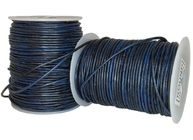
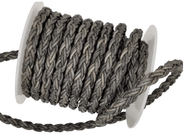
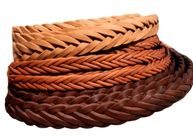
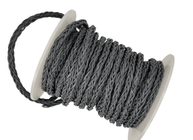
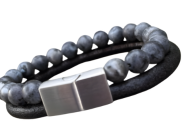
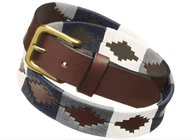
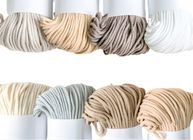
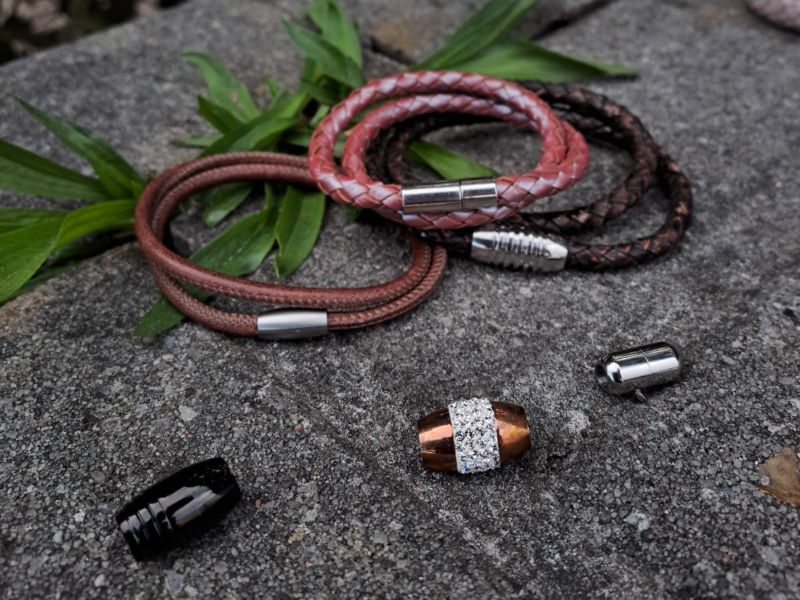
Our collection of high-quality round braided leather bracelets
The Average Lifespan of a Leather Bracelet
In general, the lifespan of a leather bracelet looks like this:
-
Cheap, low-quality leather: 3–12 months
-
Mid-quality leather: 1–3 years
-
High-quality leather: 5–10+ years
Some people still wear leather bracelets they bought more than 10 years ago. Others see their bracelet wear out within a year. The difference almost always comes down to quality and care.
The Type of Leather Makes the Biggest Difference
Not all leather is created equal. The type of leather used in your bracelet plays the biggest role in how long it will last.
Full-Grain Leather (Longest Lasting)
This is the strongest and most natural type of leather. It keeps the full fiber structure of the hide.
-
Can last 10–20+ years
-
Develops natural patina over time
-
Very resistant to tearing and cracking
-
Often used in premium bracelets
Top-Grain Leather (Very Durable)
Slightly refined for a smoother look but still very strong.
-
Lasts 5–10 years
-
Smooth surface
-
Common in quality fashion bracelets
Genuine Leather (Medium Durability)
Despite the name, this usually refers to lower layers of the hide.
-
Lasts 1–4 years
-
Softer but weaker
-
Common in mass-market bracelets
Bonded or Split Leather (Shortest Life)
Made from compressed leather scraps.
-
Can start peeling within months
-
Cracks easily
-
Not suitable for long-term wear
If you want a bracelet that truly lasts, always look for full-grain or top-grain leather.
Thickness and Structure of the Bracelet
Thickness matters just as much as leather type. A thick leather bracelet naturally lasts longer than a very thin one. Thin leather cords are elegant but wear out faster, especially at stress points near the clasp.
Braided leather bracelets often last longer than flat straps because:
-
Stress is spread across multiple strands
-
Friction is reduced
-
Structure is stronger
-
Individual strands protect each other
Minimalist thin leather bracelets usually last 6 months to 2 years, while thick braided ones often last 5 years or more.
How Often You Wear the Bracelet
Daily wear shortens the lifespan of any material, including leather. A bracelet worn every day is exposed to:
-
Sweat
-
Skin oils
-
Sunlight
-
Friction against desks and surfaces
-
Water from washing hands
If you wear the same leather bracelet every day without removing it, you should expect it to age faster — usually within 1–3 years, depending on quality.
If you rotate between several bracelets and wear each one only occasionally, they can easily last many years longer.
Water Is the Biggest Enemy of Leather
Water is one of the main reasons leather bracelets wear out early. While leather can handle a few drops of water, constant moisture slowly destroys the leather fibers.
Your bracelet will last much longer if you remove it before:
-
Showering
-
Swimming
-
Washing dishes
-
Heavy rain
-
Intense workouts
Leather that stays wet repeatedly becomes:
-
Stiff
-
Brittle
-
Cracked
-
Discolored
-
Weak at the edges
Avoiding water alone can easily double the lifespan of your bracelet.
Chemicals Shorten a Leather Bracelet’s Life
Perfume, hand cream, sunscreen, soap, alcohol, and disinfectants all contain chemicals that damage leather.
These substances:
-
Dry out the leather
-
Break down the surface finish
-
Cause fading
-
Weaken stitching
-
Speed up cracking
Best practice:
Apply perfume and lotion first. Let them dry. Then put on your bracelet.
Stitching and Metal Parts Often Fail First
In many bracelets, the leather itself is still strong when the bracelet breaks. The failure often comes from:
-
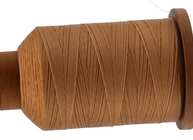
Weak thread
-
Poor stitching
-
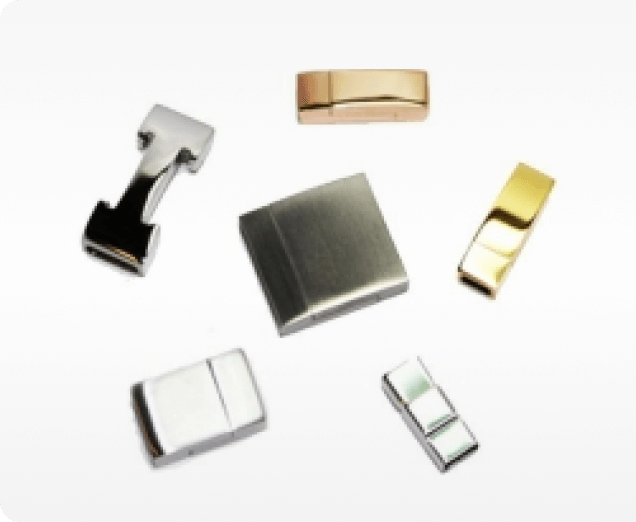
Cheap clasps
-
Thin metal rings
High-quality leather bracelets use:
-
Reinforced stitching
-
Thick thread
-
Stainless steel or brass clasps
-
Double-secured stress points
If your bracelet has low-quality hardware, its lifespan will be limited even if the leather is good.
Signs That a Leather Bracelet Is Near the End of Its Life
Leather usually gives you warning signs before it fails. Watch for:
-
Surface cracking
-
Hard, stiff texture
-
Strong fading or wrinkles
-
Frayed edges
-
Loose stitching
-
Weak areas near the clasp
If you act early with conditioning or small repairs, you can often extend its life significantly.
Can a Leather Bracelet Be Repaired?
Yes, and this is one of leather’s greatest advantages. Many leather bracelets can be:
-
Re-stitched
-
Re-conditioned
-
Re-dyed
-
Fitted with a new clasp
A repaired leather bracelet can gain several additional years of use, which is not possible with most textile or synthetic bracelets.
Does Climate Affect How Long a Leather Bracelet Lasts?
Yes, climate plays a big role.
-
Humid climates: Leather absorbs moisture and ages faster
-
Very dry climates: Leather dries out and cracks without conditioning
-
Hot climates: Sunlight fades color and weakens surface finish
-
Cold dry climates: Usually best for preserving leather
If you live in a humid or very dry area, regular conditioning becomes even more important.
Proper Care Can Easily Double the Lifespan
With just a few habits, you can extend your leather bracelet’s life dramatically:
-
Remove it before water exposure
-
Keep it away from chemicals
-
Wipe with a dry cloth weekly
-
Use leather conditioner every 3–6 months
-
Store in a dry place
-
Avoid bending it sharply when removing
Many people lose years of potential lifespan simply because they never condition their leather.
How Leather Bracelets Compare to Other Materials in Lifespan
Here is a realistic comparison:
-
Leather: 1–10+ years
-
Silk or cotton cord: 6–24 months
-
Rubber or silicone: 1–3 years
-
Stainless steel: 10–20+ years
-
Plated metal: 6 months – 3 years
Leather sits in the perfect middle: much longer-lasting than soft cords, more comfortable and personal than metal.
Is It Worth Paying More for a High-Quality Leather Bracelet?
Absolutely. A premium leather bracelet may cost more at first, but:
-
It lasts much longer
-
It looks better as it ages
-
It can be repaired
-
It becomes more comfortable
-
It holds sentimental value
Over time, one high-quality bracelet often replaces several cheap ones.
Final Answer: How Long Does a Leather Bracelet Last?
A leather bracelet can last:
-
Less than 1 year (poor quality, daily wear, water exposure)
-
2–3 years (medium quality, regular wear)
-
5–10+ years (high quality, proper care)
The true lifespan is controlled by leather quality, daily habits, and maintenance.
Final Thoughts
Leather bracelets are not just fashion accessories. They age with you. Scratches, soft wrinkles, and color changes become part of the bracelet’s story. This is what makes leather special — it does not simply wear out, it evolves.
If you choose good leather, protect it from water and chemicals, and give it minimal care, your bracelet can remain part of your daily life for many years. In return, it will grow more comfortable, more personal, and more meaningful over time.
Hope this blog was helpful for you and do not forget to follow our Instagram so you won't miss more useful inforamtion!


