


Custom Casting and Mould Making for Jewellery Components
Custom Casting and Mould Making
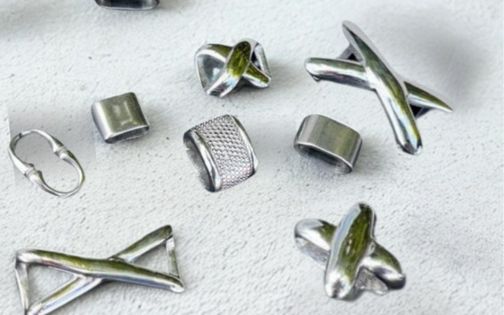
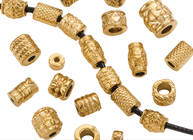
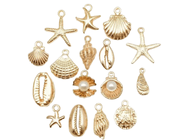
Jewellery brands aren’t limited to standard clasps, charms, beads, and connectors. With custom casting, they can create components with unique shapes, textures, logo details, or three-dimensional forms.
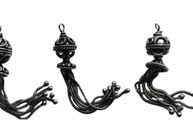
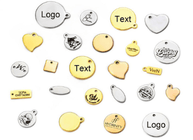
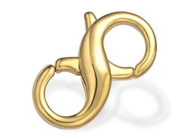
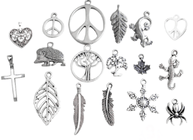
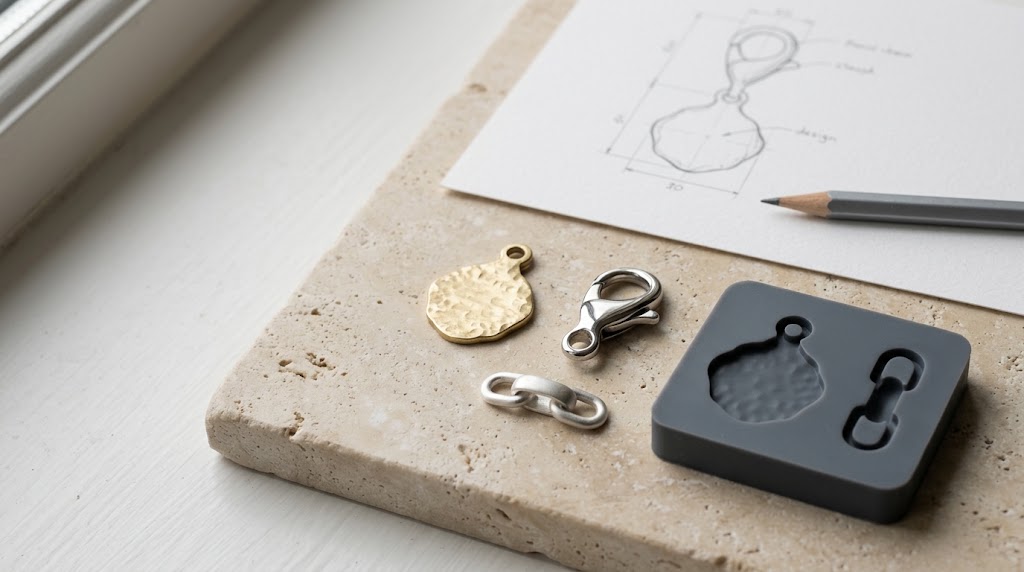
At Sun Enterprises, custom casting and mould making can help turn a sketch, logo, sample, or design idea into a component made specifically for your jewellery collection. This can include branded clasps, signature charms, logo beads, decorative connectors, pendants, end caps, and other metal details.
When Is Custom Casting Useful?
Custom casting is particularly useful when a design needs depth, volume, raised details, recessed areas, curved surfaces, or a shape that cannot be created effectively with laser cutting alone.
For example, a jewellery brand may want:
- A custom clasp shaped around its logo.
- A charm with a raised symbol or textured surface.
- A bead with a brand name or decorative pattern.
- A connector designed for a specific leather cord or chain.
- A pendant with a three-dimensional form.
- A metal plate with recessed or raised branding.
Casting gives designers more freedom to create sculptural components that become part of the identity of a jewellery collection.
Casting or Laser Cutting?
Casting and laser cutting are both useful production methods, but they suit different types of designs.
Laser cutting is usually more suitable for relatively flat components, outlines, cut-outs, and designs made from sheet material. It can work well for flat logo tags, simple charms, and metal shapes with clean edges.
Casting is normally a better choice for components that need depth, curved surfaces, detailed structures, raised logos, recessed areas, dimensional textures, or a more substantial shape. A clasp, bead, connector, or charm with a three-dimensional design may be more suitable for casting.
Sun Enterprises can review a drawing, logo, sample, or idea and advise whether casting, laser cutting, laser engraving, or another production method would provide the best result.
From Design to Custom Mould
For a completely new component that requires casting, Sun Enterprises first develops the tooling or mould needed for that design. The mould is then used to create a physical sample and, once approved, to produce the component consistently for future orders.
Not every custom design needs a new mould. Flat or less complex designs may be more suitable for laser cutting, laser engraving, or another production method. Before production begins, the team reviews the shape, level of detail, material, quantity, and intended final appearance to recommend the most practical approach.
A custom mould can be useful for:
- Clasps.
- Charms.
- Beads.
- Connectors.
- End caps.
- Pendants.
- Logo tags.
- Decorative metal elements.
- Metal plates.
- Selected chain components.
Review a Physical Sample Before Production
A physical sample is an important part of the custom-development process. Where a new mould is required, Sun Enterprises develops the mould and produces sample pieces so the customer can review the actual component before full production begins.
A physical sample makes it easier to check:
- The shape and proportions.
- The weight and dimensions.
- The surface finish and colour.
- The level of detail.
- The depth of engraving or recessed areas.
- Clasp functionality.
- How the component works with leather cord, chains, gemstones, or other jewellery materials.
If changes are needed, they can be discussed before the final production run. This helps ensure the finished component meets the customer’s quality expectations.
Materials for Custom Casting
Sun Enterprises works with materials including stainless steel, sterling silver, brass, and Zamak, depending on the design and application.
The most suitable material depends on the shape and complexity of the component, the required strength, desired weight, target price point, surface finish, intended use, and production quantity.
- Stainless steel can be suitable when durability and corrosion resistance are important.
- Sterling silver can be considered for more premium jewellery applications.
- Brass can offer flexibility for certain cast shapes and decorative finishes.
- Zamak is often used for fashion jewellery and accessories because it has good casting properties and can produce detailed shapes economically.
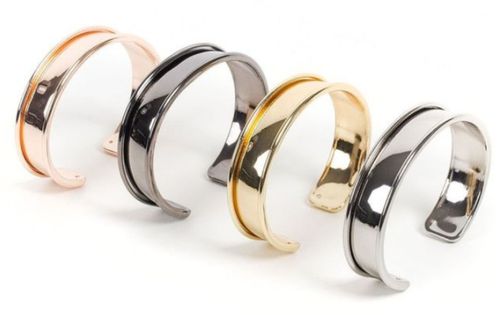
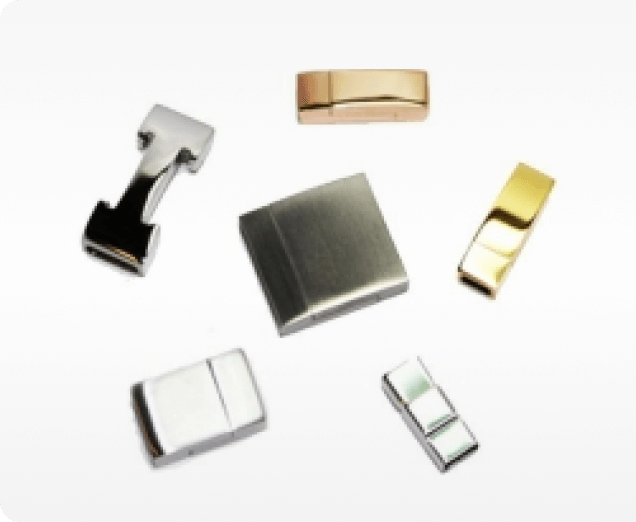
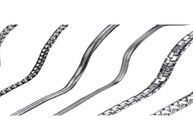
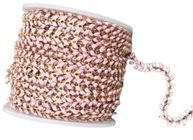
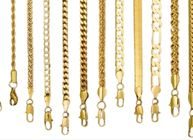
Sun Enterprises can advise on the most suitable material after reviewing the proposed component and its intended use. The company’s existing range includes Zamak hook clasps, Zamak end caps, stainless-steel clasps, and metal components in varied designs and finishes.
Design Details That May Need Adjustment
Not every design is ideally suited to casting. Very thin walls, extremely fine projections, narrow openings, delicate lettering, large flat surfaces, and details below practical production tolerances can make a component too fragile or difficult to produce consistently.
Logo artwork may also need small technical adjustments. For example, very thin lettering, small negative spaces, or highly detailed images may need to be simplified or enlarged so that the branding remains clear once produced in metal.
Sun Enterprises reviews custom designs for both appearance and manufacturability. Where needed, the team can recommend small adaptations that make the component stronger, cleaner, and more suitable for repeat production while keeping the original design idea as close as possible.
Order Quantities and Mould Costs
Custom casting projects can generally start within an approximate range of 100 to 500 pieces, depending on the component, material, size, tooling requirements, finishing process, and complexity of the design.
A new custom mould may involve a development cost. To make custom development more accessible for jewellery brands, Sun Enterprises normally invests around 70% of the mould-development cost, while the customer contributes around 30%.
Once developed, the mould can normally be reused for future production of the same design, provided it remains technically suitable. This means the mould-development cost does not usually need to be repeated with every new order.
Develop a Component Unique to Your Brand
Custom casting is not only about recreating a drawing in metal. It is a product-development process that brings together design, function, material choice, dimensions, finishing, production method, and order quantities.
Whether you have a technical drawing, logo, existing component, or early idea, Sun Enterprises can help you explore a suitable solution. The team can advise whether casting is the best production method, recommend an appropriate material, suggest any changes needed for production, and consider how the component will work with leather cord, chains, gemstones, or other jewellery materials.
For more information, explore our guides on custom jewellery development, custom jewellery engraving, and magnetic clasps for leather bracelets.
To discuss a custom casting project, contact Sun Enterprises with your drawing, sample, logo, material preference, and estimated quantity.


