











The 4 P’s in the Leather Industry
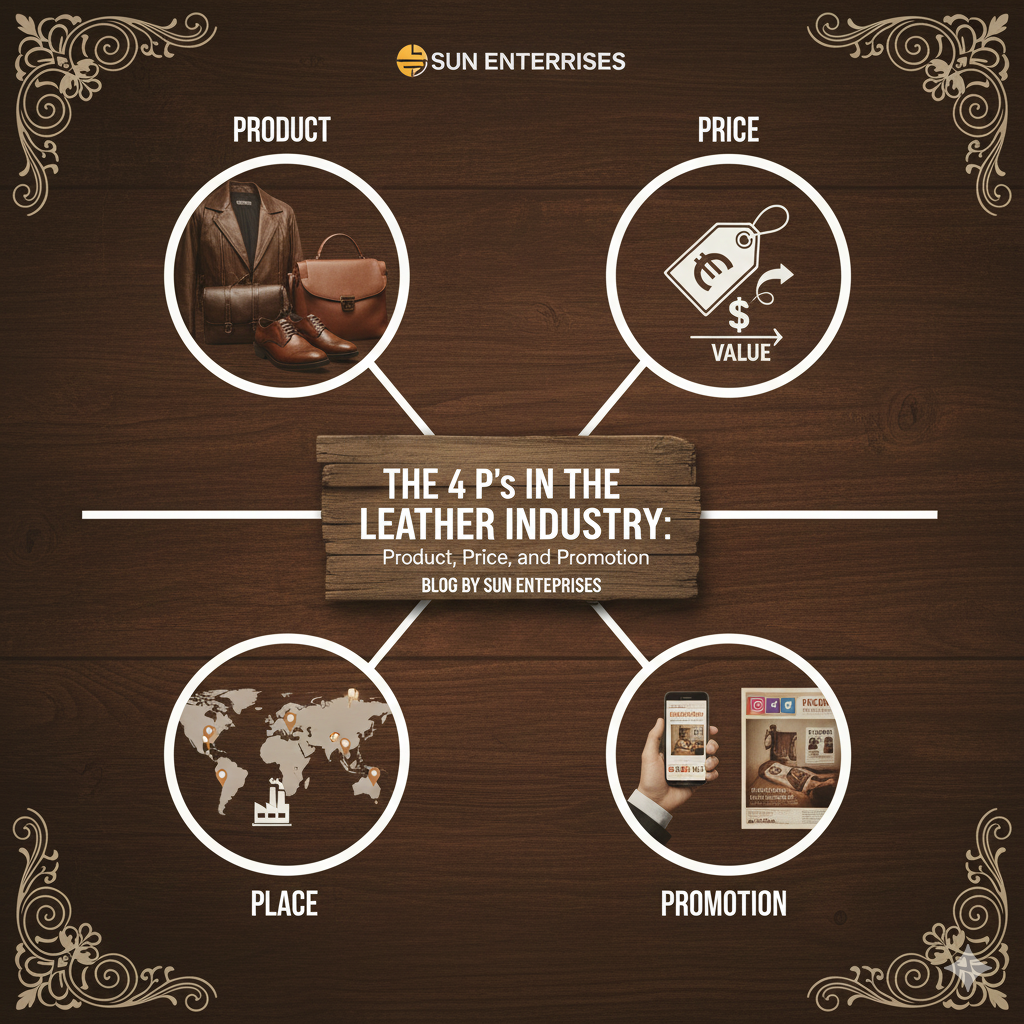
The 4 P’s of the Leather Industry Explained Simply
The leather industry is a unique world where tradition, craftsmanship, fashion, and business come together. From leather handbags and wallets to belts, accessories, furniture, and industrial products, leather remains one of the most trusted and valuable materials in global trade. But behind every successful leather product, there is not only quality craftsmanship — there is also a strong marketing strategy.
This is where the 4 P’s of marketing: Product, Price, Place, and Promotion play a major role. These four elements shape how leather products are designed, sold, delivered, and communicated to customers. In this blog, we will explore how the 4 P’s work specifically in the leather industry in a simple, practical way.
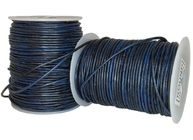
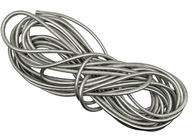
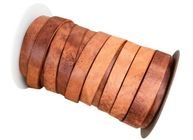
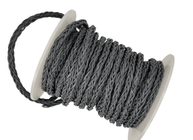
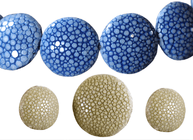
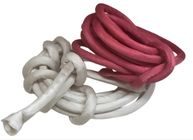
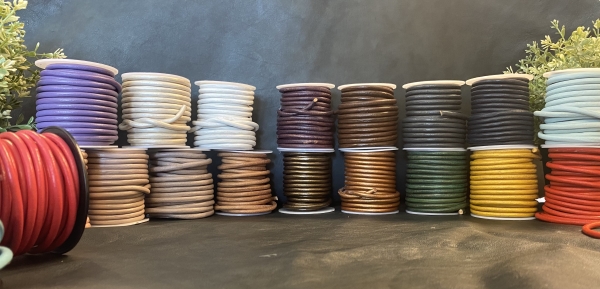
Our collection of round leather cords (small fraction)
1. Product in the Leather Industry: More Than Just Leather
In marketing, the product is everything the customer receives. In the leather industry, the product is not only the physical item, such as a handbag, wallet, bracelet, or belt. It also includes:
- The type of leather
- The design
- The craftsmanship
- The comfort
- The durability
- The safety and compliance standards
Leather products are judged very quickly by their look and feel. Customers touch the surface, smell the material, check the stitching, and test the hardware. This means that product quality is the foundation of success in the leather industry.
Key elements of a strong leather product:
- Full-grain or top-grain leather
- Neat and reinforced stitching
- Durable zippers and metal parts
- Comfortable structure and shape
- Proper finishing and edge treatment
Modern customers also care about:
- Ethical sourcing
- Environmental impact
- Chemical safety (REACH compliance)
- Sustainability
Today, a good leather product must satisfy both emotional needs (style, beauty, identity) and practical needs (strength, function, comfort).
2. Price in the Leather Industry: Value, Not Just Cost
Price in the leather industry is closely connected to perceived quality and brand trust. Leather products exist at every price level, from affordable fashion items to luxury handcrafted goods costing thousands of euros.
Pricing depends on many factors:
- Type and grade of leather
- Thickness and surface finish
- Handmade or machine-made production
- Brand reputation
- Country of production
- Compliance with safety and quality standards
- Design complexity
There are three main pricing strategies in the leather market:
Premium Pricing
Used by luxury brands that sell high-end handbags, shoes, and accessories. These prices reflect craftsmanship, exclusivity, heritage, and brand image.
Competitive Pricing
Used by mid-range brands that focus on good quality at a fair market price. This is the most common segment.
Value Pricing
Used for mass-market or promotional leather products that focus on affordability and high volume.
In the leather industry, price sends a direct message about quality. Too cheap often creates doubts about durability and authenticity. Too expensive must be justified through design, materials, and brand positioning.
3. Place in the Leather Industry: Where Leather Products Are Sold
“Place” refers to the distribution channels — how and where leather products reach the customer. The leather industry has changed a lot in recent years, especially with the growth of online commerce.
Common sales channels in the leather industry include:
- Brand retail stores
- Department stores
- Online shops
- Marketplaces
- Wholesale distributors
- B2B supply chains
Luxury leather brands focus on:
- Boutiques
- Official brand websites
- Selected premium retailers
Mid-range and fashion leather brands often rely on:
- E-commerce platforms
- Shopping malls
- Multi-brand stores
B2B leather companies focus on:
- Wholesalers
- Manufacturers
- Designers
- Corporate clients
Logistics is also a big part of “Place” in the leather industry. Leather products must be:
- Stored in dry environments
- Protected from moisture and heat
- Shipped carefully to avoid scratches or deformation
A strong distribution strategy ensures that the right leather product reaches the right customer at the right time.
4. Promotion in the Leather Industry: Telling the Leather Story
Promotion is how leather brands communicate with customers. It is not only about advertising. It is about building trust, telling a story, and creating emotional connection.
Promotion in the leather industry includes:
- Social media marketing
- Content marketing (blogs, guides, videos)
- Influencer collaborations
- Trade fairs and exhibitions
- Email marketing
- Branding and packaging
- Website design and storytelling
Leather sells not only because of function, but also because of image and emotion. Customers want to know:
- Where the leather comes from
- How the product is made
- Who made it
- What values the brand stands for
High-quality visuals are extremely important in leather promotion. Texture, color, and detail must be clearly visible. Storytelling around craftsmanship, sustainability, and tradition creates strong brand identity.
Educational promotion is also very powerful. When brands teach customers how leather is made, how to care for it, and why quality matters, they build long-term loyalty.
How the 4 P’s Work Together in the Leather Industry
The real strength of the 4 P’s comes from their balance. No single element can succeed alone.
- A premium product cannot succeed without the right price and promotion.
- A low price will fail if the product does not meet basic expectations.
- Strong promotion cannot save a weak product.
- A great product will underperform if the place strategy is poor.
Successful leather brands constantly adjust all four elements based on:
- Market trends
- Customer feedback
- Competitor activity
- Production costs
- Global regulations
- Sustainability expectations
The 4 P’s are not a fixed formula. They are a living system that changes with the market.
How Modern Trends Are Changing the 4 P’s in the Leather Industry
The leather industry today is influenced by several strong trends:
- Sustainability
- Ethical sourcing
- Digital commerce
- Personalization
- Fast fashion vs. slow fashion
These trends directly affect the 4 P’s:
- Product: More eco-friendly leather, vegetable tanning, traceable sourcing
- Price: Customers willing to pay more for responsible production
- Place: Strong focus on online platforms and global shipping
- Promotion: Greater emphasis on transparency and education
Modern consumers want to know not only what they are buying, but also how it was made.
The 4 P’s at Sun Enterprises
At Sun Enterprises, the 4 P’s guide our everyday work in the leather industry.
- Our Product strategy focuses on consistent quality, safety, and long-term durability.
- Our Price reflects honest value, not shortcuts.
- Our Place strategy supports both B2B and international distribution.
- Our Promotion is based on transparency, education, and trust.
We believe that successful leather business is built not on fast profit, but on long-term relationships with customers and partners.
Final Thoughts
The 4 P’s of marketing Product, Price, Place, and Promotion form the backbone of every successful leather business. No matter whether a company focuses on luxury fashion, travel accessories, equestrian equipment, or industrial leather goods, these four elements always work together.
In the leather industry, where tradition meets modern innovation, the 4 P’s help brands stay competitive while remaining responsible. When applied correctly, they lead to stronger products, fair pricing, effective distribution, and honest communication.
Leather will always be more than just a material. And behind every great leather product, the 4 P’s are quietly working in perfect balance.


