



Understanding Jewelry Findings
Understanding Jewelry Findings
Ever wonder what keeps your favorite necklace from falling off or how that charm stays attached to the bracelet? Those small but mighty pieces are called jewelry findings.
"Jewelry findings" is just a fancy name for all the tiny parts like clasps, earring hooks, jump rings, and more that you need to actually finish a piece of jewelry. Without them, your beautiful creations simply wouldn't be wearable.
Where Did the Name "Findings" Come From?
The word "findings" might sound a bit odd, but it has a simple, interesting history rooted in old workshops.
Historically, the word "findings" was used by artisans and craftsmen to mean all the small tools and bits of material necessary to complete a project. When it comes to jewelry, it refers to those crucial parts that "finish" or "complete" a piece.
Back in the 18th century, jewelers started using the term more often for these essential little components. Findings were the items they "found" they absolutely needed to assemble their creations. That simple name stuck, and today, it's the official term used across the entire industry.
As time went on, different cultures and places made different kinds of findings based on the materials they had—from old Egyptian clasps made of bone to the sleek magnetic locks we use now. The styles changed a lot, but the name stayed the same.
The Most Common Types of Jewelry Findings
Not all findings are the same! Each one has a specific job and adds a unique touch to your design.
-
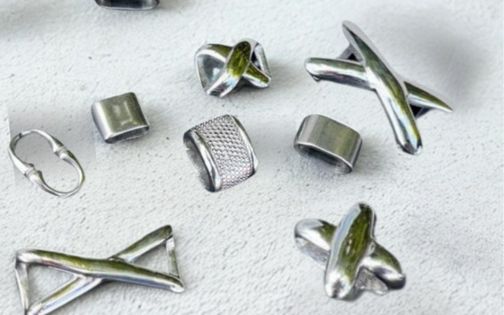
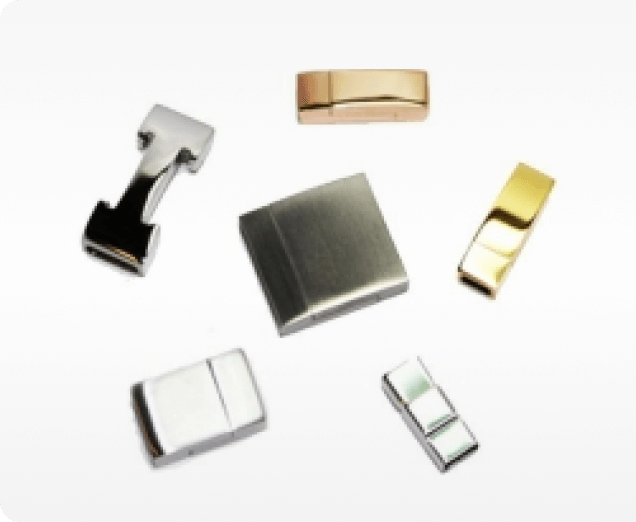
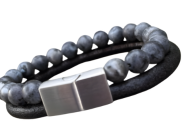
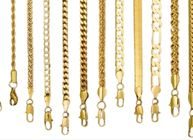
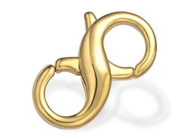
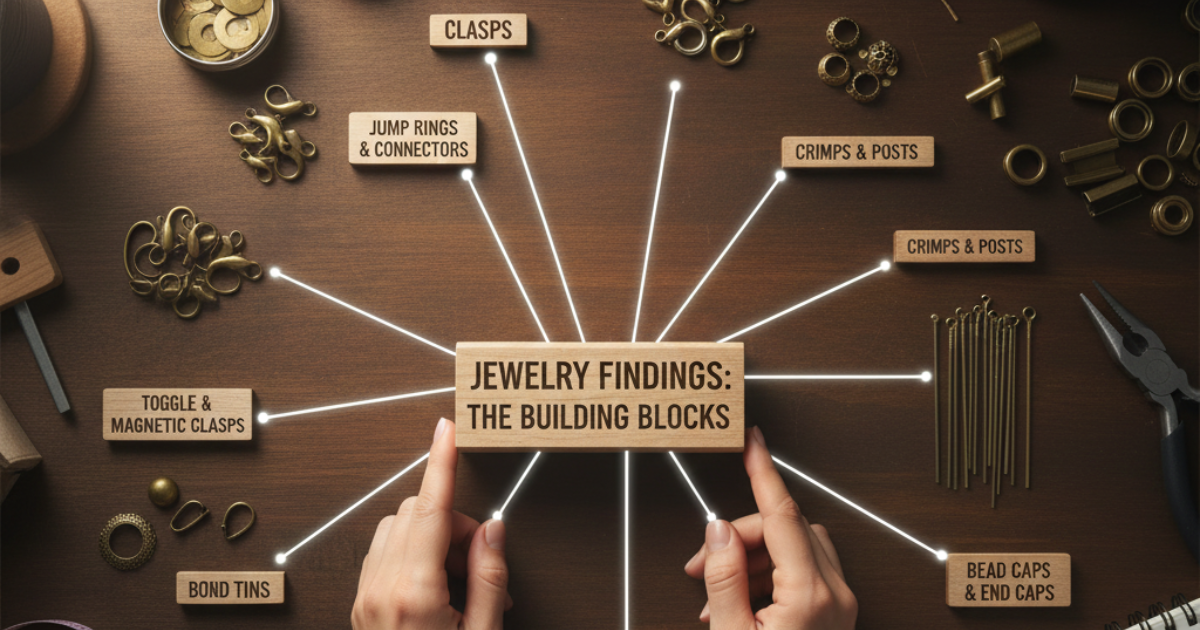
Clasps: These are used to hook and unhook necklaces and bracelets. You have many options, like the popular lobster clasps, the classic toggle clasps, and the easy-to-use magnetic clasps. Each one gives a different level of security and convenience.
-
Earring Hooks: These form the base for earrings. Styles range from the simple fish hooks (which dangle) to lever backs (which close securely) and post earrings (for studs).
-
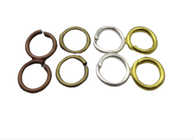
Jump Rings: These are little metal loops that connect parts. They are vital for attaching a pendant to a chain or linking any two elements together.
-
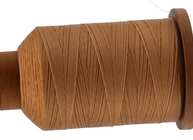
Crimp Beads: These tiny beads are used to secure the ends of flexible stringing materials (like beading wire). When you squeeze them with pliers, they lock the beads in place and give the piece a tidy, professional look.
-
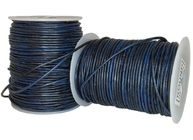
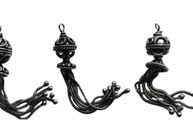
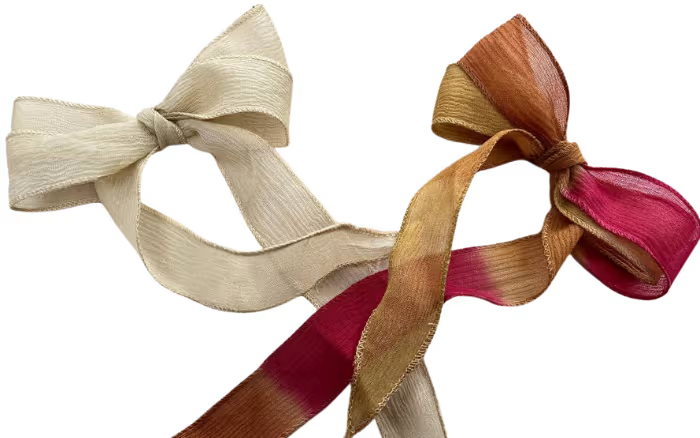
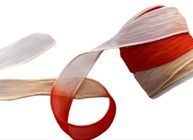
End Caps: These cover and finish the ends of multi-strand pieces or thick materials like leather cords and silk ribbons. They are often decorative and add the final, polished touch to the design.
Each of these findings is a huge part of good jewelry design, offering practical help while also giving you creative ways to make stunning, unique pieces. Knowing these parts helps jewelers turn their ideas into reality.
The Findings of Today: Evolution and Innovation
Jewelry findings have come a long way since they were just simple bits of bone or wood. As toolmaking and design have improved, so has the complexity and variety of findings.
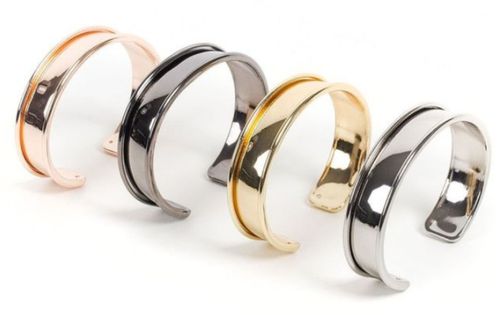
Now, we see modern materials like stainless steel (great for durability), titanium (perfect for sensitive skin), and new biodegradable options. With modern tools like 3D printing, you can even design and make custom findings with tiny details that used to be impossible.
Design has changed, too. Findings now come in many shapes and finishes, which lets designers be much more creative. For example, magnetic clasps are very popular because they are so easy to use, especially for bracelets. And because many people have sensitive skin, hypoallergenic materials have become a must-have for all types of findings.
Beyond the Name "Jewelry": Fun Alternatives
"Jewelry" is a broad word for all kinds of decorations. But what if you want a more fun or creative way to name your pieces?
-
Adornments: This word highlights the beautiful, decorative side of your pieces. It suggests your creations are art meant to dress up the wearer.
-
Baubles: This name feels fun and playful. It’s perfect for bright, whimsical designs meant to bring a little bit of joy.
-
Trinkets: Trinkets are small, treasured items that often have a special meaning. Use this word for custom or personalized pieces that hold sentimental value.
-
Ornaments: This is a good word for larger, more detailed, and decorative pieces that are meant to stand out and draw attention.
How to Name Your Creations Like a Pro
Naming your finished jewelry can be just as creative as designing it. A good name can tell a story, make people feel something, and help you sell the piece.
-
Reflect the Design: Choose a name that fits the look of the piece. If your necklace has beads that look like the ocean, a name like "Sea Foam" works well.
-
Use the Materials: Mention the main material. A bracelet made with soft pink quartz could be named "Blush Beauty."
-
Create a Feeling: Names that bring up emotions make a stronger connection. Try "Forever Love" for a special ring or "Summer Bloom" for flower-themed earrings.
-
Keep It Simple: Even though creativity is important, a name that is easy to remember and say is more likely to stick in people's minds.
In the end, jewelry findings are small parts with a huge job. From their roots in old workshops to the smart designs of today, these essential pieces offer endless ways to be creative. Understanding the different findings and using creative names will help you make your jewelry truly stand out!
Hope you enjoyed our blog and do not forget to subscribe to our Instagram!


