




















What to wear during the winter?
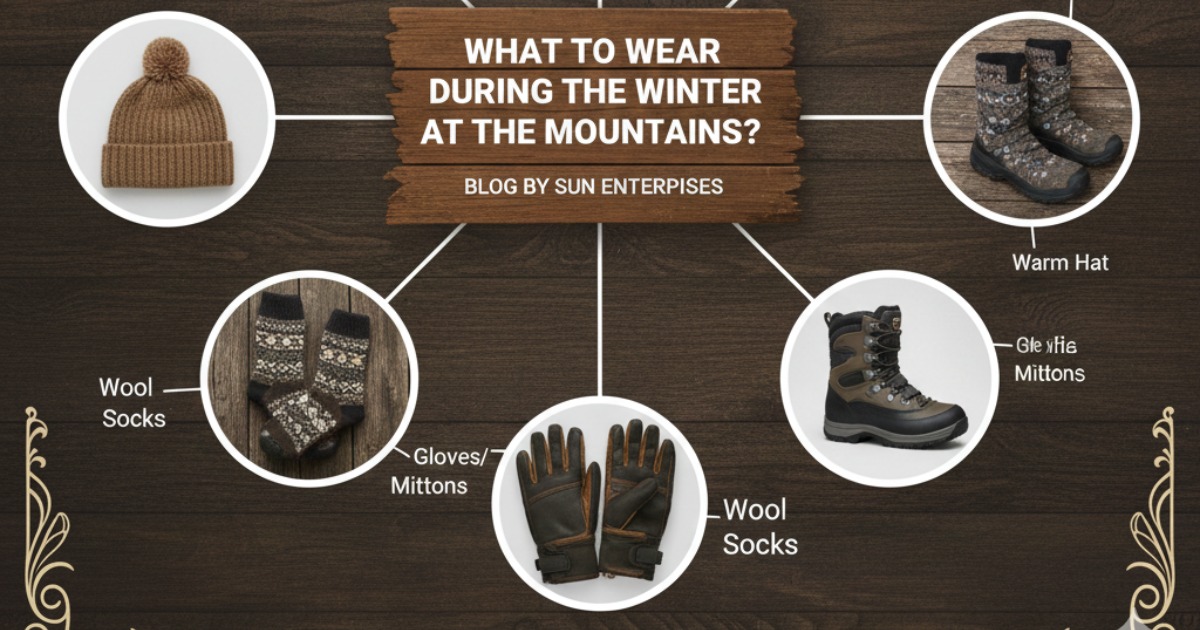
What to Wear During the Winter at the Mountains: A Complete Cold-Weather Clothing Guide
Winter in the mountains is breathtaking. Snow-covered peaks, silent forests, crisp air, and cozy evenings create a magical atmosphere. But mountain weather is also unpredictable, cold, and sometimes extreme. Knowing what to wear during the winter at the mountains is not just about comfort—it is about safety, health, and enjoyment.
Whether you are going for a short winter hike, a ski trip, or a long mountain holiday, the right clothing can make the difference between a wonderful experience and a difficult one. In this guide, we will explain exactly how to dress for winter mountain conditions in a simple and practical way.
Why Proper Winter Mountain Clothing Is So Important
Mountain weather can change very quickly. A sunny morning can turn into snow and wind within hours. Temperatures drop fast, especially at higher altitudes. Wearing the wrong clothes can lead to:
-
Severe cold
-
Wet body and loss of heat
-
Hypothermia
-
Limited movement
-
Tiredness and discomfort
Proper layering and material choice help you stay warm, dry, and protected, even in harsh conditions.
The Golden Rule: Dress in Layers
The best way to dress for winter in the mountains is the layering system. Instead of one thick jacket, you wear several layers that work together.
The three main layers are:
-
Base Layer – keeps your skin dry
-
Middle Layer – keeps your body warm
-
Outer Layer – protects from wind, snow, and rain
This system allows you to adjust your clothing easily when your body temperature changes.
Base Layer: Keeping the Body Dry
The base layer is worn directly on your skin. Its main job is to remove sweat from your body and keep you dry. Staying dry is extremely important in cold weather because moisture makes you lose heat faster.
The best materials for base layers are:
-
Merino wool
-
Thermal synthetic fabrics
Avoid cotton at all costs. Cotton absorbs moisture and stays wet, which can make you feel cold very quickly.
Base layer items include:
-
Thermal long-sleeve tops
-
Thermal leggings
-
Thermal socks
Good base layers keep you warm without making you feel heavy.
Middle Layer: Insulation and Warmth
The middle layer provides insulation, which means it traps warm air around your body.
Popular middle layer options include:
-
Fleece jackets
-
Wool sweaters
-
Lightweight down jackets
-
Synthetic insulated jackets
You can wear one or two middle layers depending on how cold it is. This layer is especially important during stops, when your body produces less heat.
Outer Layer: Protection From Wind and Snow
The outer layer is your shield against the elements. It protects you from:
-
Snow
-
Wind
-
Rain
-
Strong cold air
Your outer layer should be:
-
Waterproof or water-resistant
-
Windproof
-
Breathable
Winter outerwear includes:
-
Ski jackets
-
Snow jackets
-
Mountain shell jackets
Always choose a jacket with a hood, sealed seams, and adjustable cuffs.
What Pants to Wear in Winter Mountains
Your legs are just as important as your upper body. Cold legs can make your entire body feel uncomfortable.
The best option is:
-
Thermal leggings (base layer)
-
Insulated snow pants or waterproof hiking pants (outer layer)
Ski pants or snow trousers are perfect for winter mountain conditions because they block wind and keep snow out. Avoid jeans because they absorb moisture and become very cold.
The Most Important Part: Winter Footwear
Your feet are exposed to snow, cold ground, and water. Wearing the wrong shoes can completely ruin your trip.
For winter mountains, you need:
-
Insulated winter boots
-
Waterproof outer material
-
Non-slip sole
-
Good ankle support
Inside your boots, wear thermal or wool socks. Avoid thin cotton socks because they make your feet cold and sweaty.
For deep snow or hiking, consider gaiters, which protect your lower legs from snow entering your boots.
Hats, Gloves, and Neck Protection
A large amount of body heat is lost through the head, hands, and neck. These areas must always be well protected.
Hats
Wear:
-
Wool or fleece beanie
-
Thermal head covering under helmet (if skiing)
Gloves
Wear:
-
Insulated waterproof gloves
-
Inner thermal gloves for extra warmth
Neck Protection
Use:
-
Neck warmer
-
Scarf
-
Balaclava for extreme cold
These small items make a huge difference in comfort and safety.
What to Wear Under Your Winter Mountain Clothes
Good winter clothing also means choosing the right underwear.
Best options include:
-
Thermal underwear
-
Sports underwear made of synthetic fabric
-
Seamless designs to prevent chafing
Avoid ordinary cotton underwear in cold mountain weather.
Accessories That Improve Comfort and Safety
Some extra items are not always required but are highly recommended:
-
Sunglasses or ski goggles (to protect from snow glare)
-
Backpack for extra layers
-
Hand warmers
-
Thermal flask for hot drinks
Winter sun reflecting from snow can be very strong and painful for the eyes, even on cloudy days.
What NOT to Wear in the Winter Mountains
Some clothing choices are dangerous in mountain winter conditions:
-
Cotton clothes
-
Denim jeans
-
Fashion sneakers
-
Thin jackets
-
Open shoes
-
Tight clothing that restricts circulation
Fashion should never be more important than safety in cold mountain environments.
What to Wear for Specific Winter Mountain Activities
For Winter Hiking
-
Thermal base layer
-
Fleece mid-layer
-
Waterproof outer jacket
-
Insulated hiking boots
-
Winter hiking pants
For Skiing or Snowboarding
-
Ski jacket and pants
-
Thermal base layer
-
Insulated gloves
-
Helmet and goggles
-
Ski socks
For Casual Mountain Walks
-
Warm jacket
-
Wool sweater
-
Winter boots
-
Gloves and hat
-
Waterproof outer layer
Each activity requires slightly different clothing, but the layering principle always remains the same.
How to Adjust Clothing for Temperature Changes
Mountain temperatures change constantly. You may feel cold in the morning and very warm during activity. This is why layering is essential.
If you feel:
-
Too warm → Remove one middle layer
-
Too cold → Add an extra layer
-
Sweaty → Ventilate immediately
Never allow sweat to stay on your skin for long in cold weather.
Packing Tips for a Winter Mountain Trip
When packing winter clothes for the mountains:
-
Pack more layers, not thicker clothes
-
Always bring spare socks and gloves
-
Reserve one deep-warm outfit for emergencies
-
Pack waterproof covers for spare clothes
Prepared travelers are always the safest travelers.
Why Quality Matters in Winter Mountain Clothing
Cheap winter clothing may look warm but often fails in real mountain conditions. Quality winter wear offers:
-
Better insulation
-
True waterproof protection
-
Long-lasting materials
-
Better fit and comfort
When temperatures drop and the wind rises, quality clothing becomes not a luxury, but a necessity.
Final Thoughts
Knowing what to wear during the winter at the mountains is essential for safety, comfort, and enjoyment. Proper layering, waterproof protection, warm footwear, and thermal accessories work together to protect your body from cold, wind, and snow.
Winter mountains are beautiful but demanding. When you dress correctly, you can fully relax and enjoy the incredible views, peaceful snow-covered landscapes, and fresh mountain air without worrying about the cold.
Choose warmth over fashion, preparation over risk, and quality over shortcuts and your winter mountain experience will be unforgettable.
Hope our blog was helpful for you and do not forget to follow our Instagram for more useful informations!


