


Tips and tricks for using leather in jewelry
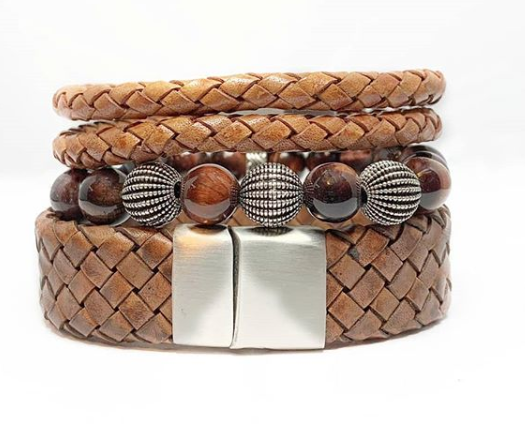
Tips and Tricks for Making Your Own Leather Jewelry
Leather jewelry has become a timeless trend in fashion. Appreciated for its natural feel, durability, and versatility, leather allows designers and hobbyists to create pieces that are both stylish and comfortable to wear. Whether you prefer minimalist designs or bold statement accessories, leather offers endless creative possibilities.
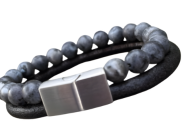
In this guide, we will share practical tips and techniques to help you confidently start making your own leather jewelry, with a special focus on leather bracelets, one of the most popular and accessible leather accessories.
Why Choose Leather for Jewelry Making?
Leather is a living material. Over time, it develops a unique patina that enhances its character rather than diminishing it. This natural aging process makes each piece of leather jewelry truly one of a kind.
Leather jewelry is:
-
Comfortable and pleasant to wear
-
Durable and long-lasting
-
Trendy yet timeless
-
Suitable for both men and women
From simple everyday bracelets to more sophisticated designs, leather adapts beautifully to different styles and techniques.
How to Easily Create a Leather Bracelet
Let’s start with the basics: creating a simple leather bracelet. With the right materials and a few tools, even beginners can achieve professional-looking results.
Choosing the Right Leather
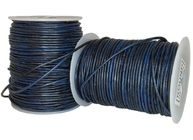
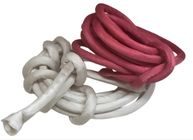
The quality of your bracelet begins with the choice of leather. The most commonly used and reliable options are calf leather and cowhide leather. These types offer an excellent balance between flexibility and strength.
One of the most popular bases for leather bracelets is:
-
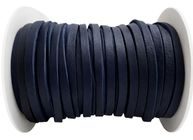
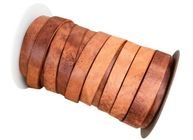
Plain flat leather cord – 10mm width
Black and brown are classic choices and ideal for beginners. Once you feel more confident, you can experiment with other colors, textures, and finishes.
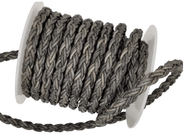
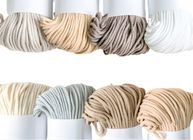
Leather cords are available in many widths and colors, allowing you to adapt your design to different aesthetics — from elegant and minimal to bold and modern.
Determining the Correct Bracelet Size
Leather for bracelets is often sold in 20 cm lengths, and this is not by chance.
Average wrist sizes:
-
Women: approximately 18 cm
-
Men: approximately 22 cm
A 20 cm leather strip works perfectly because:
-
For women, you can trim the leather to size
-
For men, the clasp usually adds 2–3 cm, making 20 cm sufficient
Leather bracelets are typically worn snugly, sitting comfortably on the front of the wrist rather than loosely.
Always remember: wrist sizes vary, so measuring the wearer’s wrist is the best way to ensure a perfect fit.
Essential Tools for Making Leather Bracelets
One of the advantages of leather jewelry making is that you don’t need a large investment to get started. With just a few basic tools, you can create high-quality bracelets.
Recommended essentials:
-
Cutting pliers or scissors
-
Adhesive tape
-
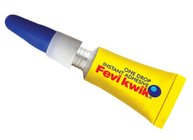
Cyanoacrylate glue (superglue type)
Although many specialized leather glues exist, basic cyanoacrylate glue is often the most effective, affordable, and easily available option. It provides a strong bond and works well with leather and metal clasps.
How to Refine Leather to Fit Clasps and Beads
Sometimes, the leather you choose may be slightly too thick to fit into a clasp or pass through a bead. This is a common issue — and fortunately, an easy one to solve.
The solution is skiving, or thinning the leather slightly.
How to refine leather:
-
Use a trimming knife with a razor-like blade
-
Place the blade gently on the leather
-
Shave small layers off gradually, similar to peeling a vegetable
Be careful not to thin the leather too much, as this can weaken it and reduce durability.
This technique is also useful if you want to:
-
Insert multiple leather cords through a bead
-
Create layered bracelet designs
How to Combine Leather Colors Beautifully
Color choice plays a crucial role in jewelry design. Beyond personal taste, understanding basic color principles can help you create harmonious and elegant pieces.
Understanding the color wheel
The three primary colors are:
-
Cyan (blue)
-
Magenta (red/fuchsia)
-
Yellow
All other colors are created by mixing these, along with white or black (which are not technically colors but modify tones).
Color Combination Techniques for Leather Jewelry
1. Monochrome
Using a single color in different textures or finishes.
Example: all-black leather bracelet.
This creates a clean, minimalist look.
2. Cameo (Tone-on-Tone)
Combining closely related shades of the same color.
Examples:
-
Beige and brown
-
Sky blue and navy blue
-
Dark orange and tomato red
This approach creates depth while maintaining harmony.
3. Complementary Colors
Complementary colors sit opposite each other on the color wheel and create contrast.
Examples:
-
Red and green
-
Blue and orange
-
Yellow and purple
Even though black and white are not colors, they are often considered complementary when paired together.
Important tip:
Avoid using more than two complementary colors in one design, as too many strong contrasts can overwhelm the piece.
Creative Color Pairings
Some elegant and fashionable combinations include:
-
Red leather with khaki
-
Yellow leather with purple
-
Brown leather with turquoise
-
Black leather with metallic accents
The possibilities are endless, and experimentation is key.
Final Tips for Successful Leather Jewelry Making
-
Measure wrists carefully before cutting leather
-
Always test glue and clasps on scrap pieces
-
Refine leather gradually, not aggressively
-
Choose colors intentionally, not randomly
-
Let the natural beauty of leather guide your design
Conclusion
Leather is a fantastic material for jewelry making. It is versatile, durable, and endlessly inspiring. With the right tools, thoughtful color choices, and a few basic techniques, you can create leather bracelets and jewelry that look professional and feel personal.
We hope these tips and tricks help you gain confidence and enjoy the creative process. Don’t be afraid to experiment, mix colors, and develop your own style. Leather jewelry is as much about expression as it is about craftsmanship.


