


How to Start a Handmade Jewelry Brand with Silk and Leather Cords
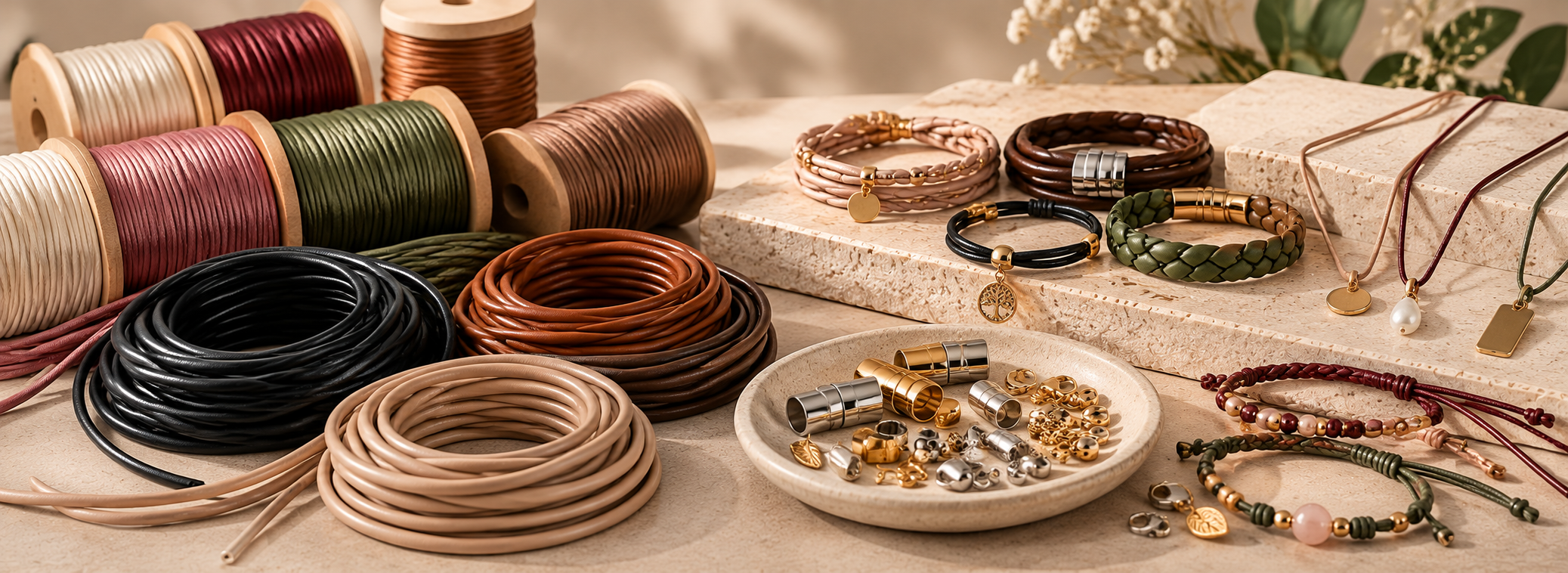
Starting a handmade jewelry brand is one of the most accessible ways to enter the fashion and accessories industry. With silk and leather cords, you can create beautiful bracelets, necklaces, anklets, and charms without needing expensive machinery or a large production space.
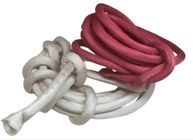
Silk cords bring softness, color, and elegance, while leather cords add texture, durability, and a timeless handcrafted feel. Together, they give new jewelry brands plenty of room to experiment with colors, knots, beads, charms, and personalized details.
Why Silk and Leather Cords Work Well for Handmade Jewelry
Silk and leather cords are ideal materials for handmade jewelry because they are flexible, easy to work with, and suitable for many different design styles.
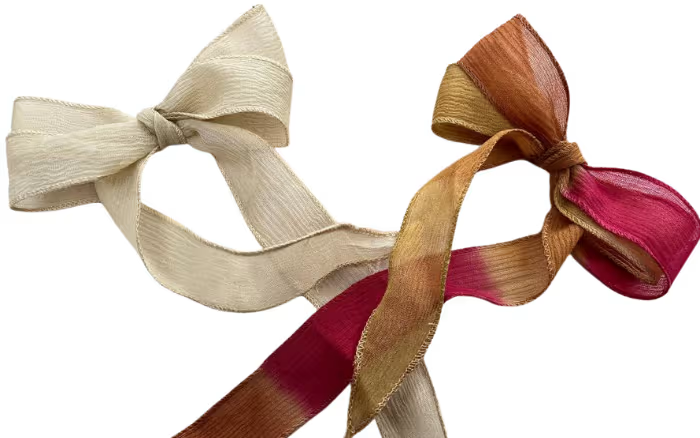
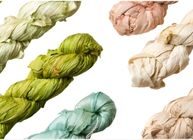
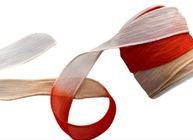
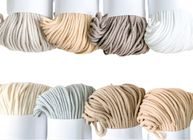
Silk cords are smooth, lightweight, and available in a wide range of colors. They are especially popular for delicate bracelets, friendship bracelets, pendant necklaces, and layered jewelry.
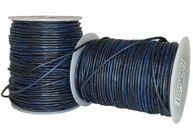
Leather cords have a more textured and natural appearance. They work well for minimalist bracelets, wrap designs, chokers, keychains, and unisex accessories.
Using both materials allows you to create a varied collection while keeping your production process simple and manageable.
Choose Your Jewelry Style
Before buying materials, decide what type of handmade jewelry brand you want to create. A clear style helps you choose the right cords, findings, packaging, and target customers.
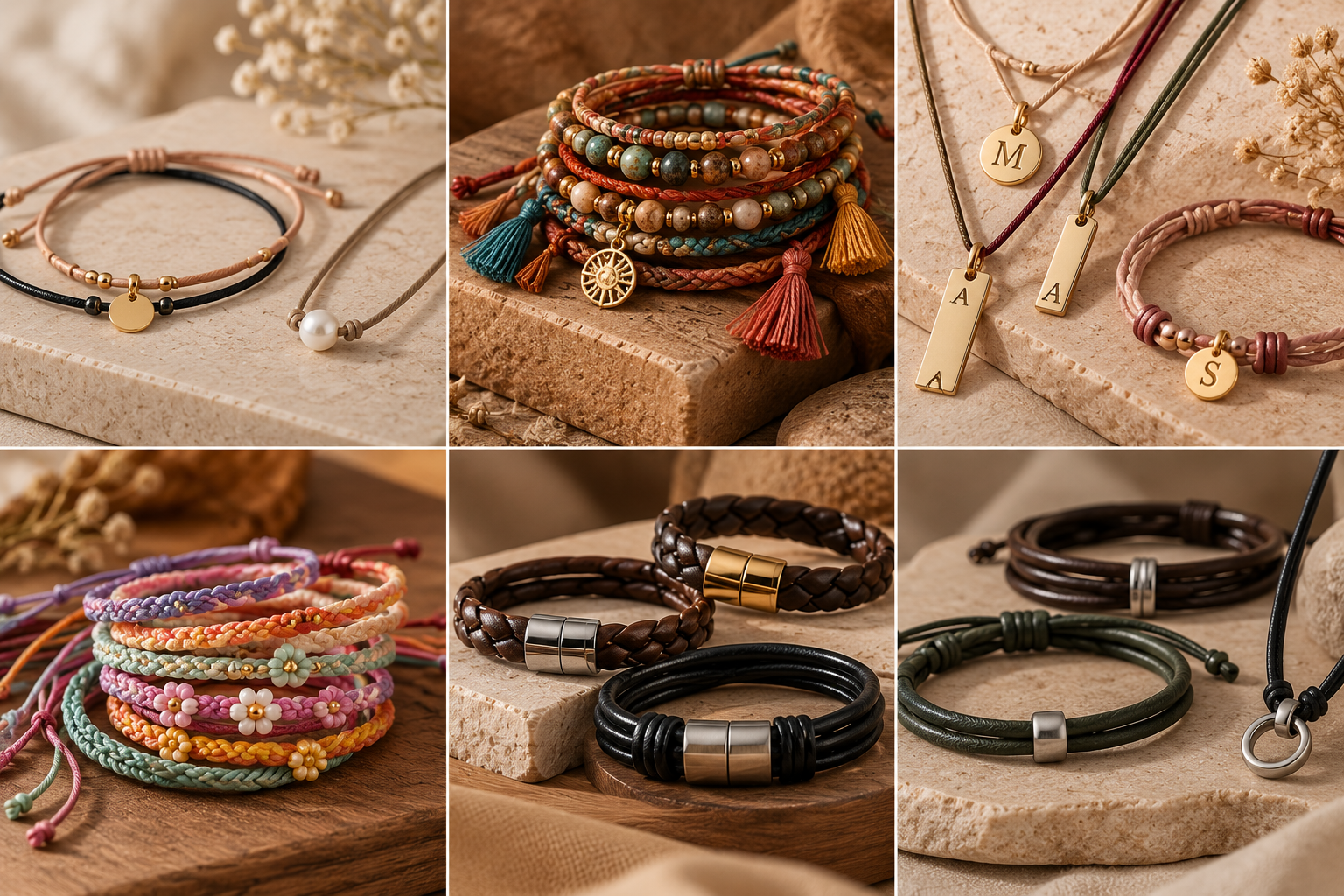
Popular handmade jewelry styles include:
-
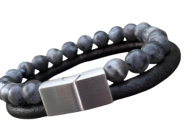
Minimalist jewelry: Simple silk or leather cords with small beads, metal accents, or a single charm.
-
Bohemian jewelry: Layered cords, natural stones, wooden beads, tassels, and earthy colors.
-
Personalized jewelry: Initial charms, birthstones, engraved tags, and custom color combinations.
-
Friendship bracelets: Colorful silk cords, adjustable knots, and playful bead details.
-
Luxury leather jewelry: Premium leather cords with stainless-steel clasps, gold accents, and refined finishes.
-
Unisex jewelry: Neutral leather cords, simple metal components, and clean adjustable designs.
Choosing one main direction will make your brand easier to recognize and market.
Select the Right Cords
The cords you choose will shape the look, comfort, and durability of your jewelry.
Silk Cords
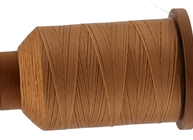
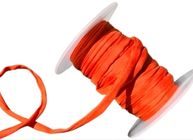
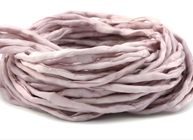
Silk cords are best for delicate and colorful designs. They are soft, smooth, and easy to knot, making them ideal for bracelets, necklaces, and adjustable jewelry.
Common silk cord sizes include:
-
0.5 mm to 1 mm: Fine cords for delicate pendants and lightweight necklaces.
-
1 mm to 1.5 mm: Versatile cords for bracelets, necklaces, and beaded designs.
-
2 mm and thicker: Stronger cords for statement bracelets and chunkier knots.
Leather Cords
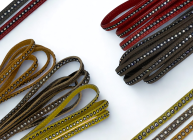
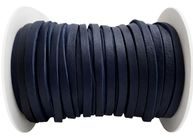
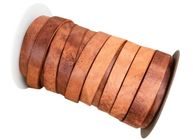
Leather cords create a more structured and durable look. They are suitable for both men’s and women’s jewelry, especially bracelets, wrap designs, and chokers.
Common leather cord sizes include:
-
1 mm to 2 mm: Thin cords for delicate bracelets and layered designs.
-
3 mm: A popular all-purpose size for bracelets and necklaces.
-
4 mm to 5 mm: Bold cords for statement jewelry, wrap bracelets, and masculine designs.
Choose Quality Findings and Components
Your cords are only part of the finished product. Clasps, end caps, beads, charms, and connectors determine how professional your jewelry looks and how long it lasts.
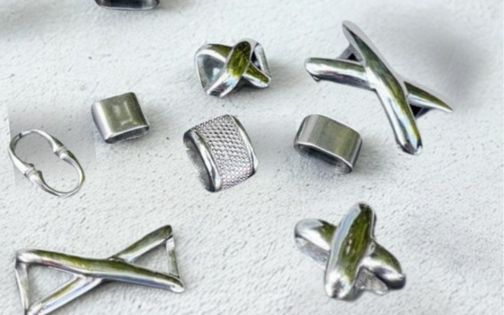
Useful components include:
-
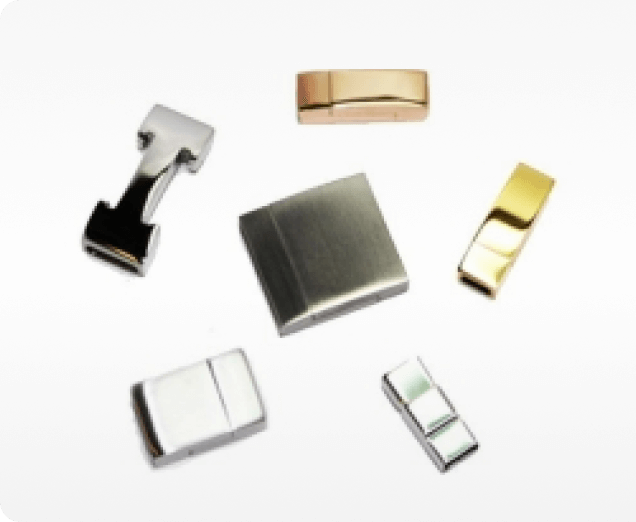
Magnetic clasps for easy-to-wear bracelets and necklaces.
-
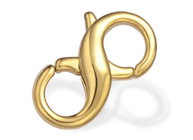
Lobster clasps for adjustable and secure designs.
-
End caps to finish cord ends neatly.
-
Crimp beads for securing silk cords.
-
Sliding knots for adjustable bracelets.
-
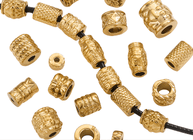
Metal beads and spacers to add shine and detail.
-
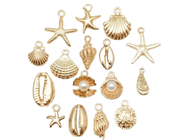
Charms and pendants to create a signature look.
-
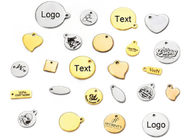
Engraved logo tags to build brand recognition.
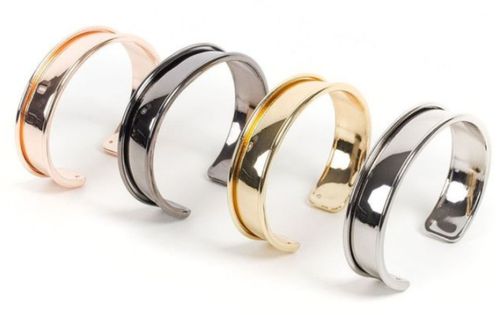
For a premium result, choose stainless-steel, gold-plated, or tarnish-resistant findings that match the finish of your cords.
Create a Small First Collection
You do not need dozens of products to launch a handmade jewelry brand. A focused collection is easier to produce, photograph, and market.
A strong starter collection could include:
-
Three to five bracelet designs
-
Two to three necklace designs
-
One or two adjustable styles
-
A limited number of color options
-
One signature charm or metal detail
For example, you could launch with silk friendship bracelets in five colors, leather wrap bracelets in three neutral shades, and one personalized initial charm necklace. This gives customers choice without overwhelming your production process.
Learn Basic Jewelry-Making Techniques
You do not need advanced jewelry-making skills to begin. Many successful handmade brands start with a few simple techniques that can be repeated across different designs.
Useful techniques include:
-
Knotting: Simple knots can secure beads, create adjustable closures, and add texture.
-
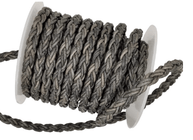
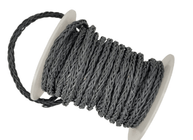
Braiding: Braided silk or leather cords create a handcrafted, bohemian look.
-
Wrapping: Wrapped cords work well for bracelets, rings, and layered designs.
-
Beading: Beads can be added between knots or threaded along the cord.
-
Crimping: Crimp beads help secure silk cord and small components.
-
Using end caps: End caps create a clean, professional finish on leather cords.
Practice each technique until your knots are secure and your finishes look consistent. Consistency is especially important when selling handmade products.
Price Your Jewelry Correctly
Pricing is one of the most important parts of building a sustainable handmade jewelry brand. Your price should cover materials, labor, packaging, marketing, and business costs while still leaving room for profit.
A simple pricing formula is:
Material cost + labor cost + packaging cost + overhead cost + profit margin = retail price
For example, if your materials cost $6, your labor is $8, packaging is $2, and overhead is $2, your base cost is $18. Adding a suitable profit margin may bring your retail price to $35 to $45, depending on your market and brand positioning.
Avoid pricing only slightly above material cost. Handmade jewelry should reflect the time, skill, and creativity involved in making each piece.
Build a Memorable Brand
A jewelry brand is more than the products you sell. Customers buy into the story, style, and experience behind your work.
To build a memorable brand:
-
Choose a simple, memorable brand name.
-
Create a consistent color palette and visual style.
-
Use high-quality product photos with natural light.
-
Write clear product descriptions that explain materials and sizing.
-
Add your logo to packaging, tags, or small metal components.
-
Share behind-the-scenes photos of your making process.
-
Offer gift-ready packaging to increase perceived value.
Handmade jewelry is especially well suited to storytelling. Customers often appreciate knowing who made the piece, how it was made, and what inspired the design.
Sell Online and at Local Markets
Start with one or two sales channels and grow gradually. This keeps your workload manageable while helping you learn what customers want.
Popular sales channels include:
-
Etsy: Ideal for handmade, personalized, and gift-oriented jewelry.
-
Your own website: Gives you full control over branding, pricing, and customer relationships.
-
Instagram and TikTok: Great for showing your making process, styling ideas, and new designs.
-
Local craft markets: Useful for testing products, meeting customers, and receiving direct feedback.
-
Wholesale partnerships: Once your collection is established, you can sell to boutiques and gift shops.
High-quality photos and clear product information are essential for online sales. Show your jewelry worn on a model, displayed flat, and packaged as a gift.
Source Silk and Leather Cords in Bulk
As your brand grows, buying cords in bulk can reduce costs and keep your materials consistent. Look for a supplier that offers reliable quality, a wide color selection, and component compatibility.
Sun Enterprises supplies silk and leather cords for jewelry makers, designers, and brands. The company offers a wide range of colors, sizes, and finishes, along with jewelry findings such as magnetic clasps, end caps, and connectors.
Buying from a specialist supplier helps ensure that your cords have consistent thickness, strong color, and a professional finish—important details when you are building a jewelry brand.
Common Mistakes to Avoid
New jewelry brands often grow faster when they avoid a few common mistakes:
-
Launching with too many designs at once.
-
Using low-quality findings that tarnish or break.
-
Underpricing handmade work.
-
Ignoring packaging and product presentation.
-
Not testing knots, clasps, and cord strength before selling.
-
Copying trends without developing a recognizable style.
-
Failing to track material costs and profit margins.
Start small, test your designs, listen to customer feedback, and improve your collection over time.
FAQ
Is a handmade jewelry business profitable?
Yes, a handmade jewelry business can be profitable when you price your products correctly, control material costs, and build a clear brand identity. Silk and leather cords are affordable materials that allow for strong profit margins.
How much money do I need to start a handmade jewelry brand?
You can start with a small budget by purchasing a limited selection of cords, findings, tools, and packaging. Many makers begin with a few hundred dollars and expand as sales grow.
What cords are best for handmade bracelets?
Silk cords are ideal for colorful, delicate, and adjustable bracelets. Leather cords are better for durable, minimalist, and unisex designs. Many brands use both materials to offer more variety.
What size cord should I use for bracelets?
For silk bracelets, 1 mm to 1.5 mm is a versatile size. For leather bracelets, 2 mm to 3 mm is popular, while 4 mm to 5 mm works well for bolder designs.
Do I need special tools to make cord jewelry?
Basic tools are usually enough. Scissors, jewelry glue, crimping pliers, bead mats, and measuring tape are useful for many silk and leather cord designs.
Can I make personalized jewelry with silk and leather cords?
Yes. Personalized jewelry is a popular niche. You can add initial charms, engraved tags, birthstones, custom colors, and adjustable closures to create unique pieces.
Where can I buy silk and leather cords for jewelry?
You can buy silk and leather cords from specialist suppliers such as Sun Enterprises, which offers cords, clasps, findings, and components for handmade jewelry and professional production.
How many designs should I launch with?
Start with a focused collection of around 8 to 12 designs. This gives customers enough choice while keeping production, photography, and inventory manageable.
How do I make my handmade jewelry look professional?
Use consistent materials, secure knots, quality findings, clean cord ends, good photography, and branded packaging. Small details make a big difference in how customers perceive handmade products.
Can I sell handmade jewelry internationally?
Yes. Once you have reliable packaging and shipping processes, you can sell internationally through your own website, Etsy, or wholesale partners. Check customs rules and shipping costs for each market.
Explore Silk and Leather Cords for Your Jewelry Brand
At Sun Enterprises, you can find silk and leather cords in a wide range of colors, sizes, and finishes for handmade jewelry collections. Whether you are creating delicate friendship bracelets, personalized necklaces, or premium leather wrap designs, our team can help you choose the right materials for your brand.
With bulk ordering options, quality materials, and compatible jewelry findings, Sun Enterprises supports handmade jewelry makers and growing brands at every stage.
Contact us today for more information about silk and leather cords, wholesale options, and jewelry-making supplies.


