



What Is Recycled Sari Silk Yarn and Why It's the Future of Eco-Friendly Crafts
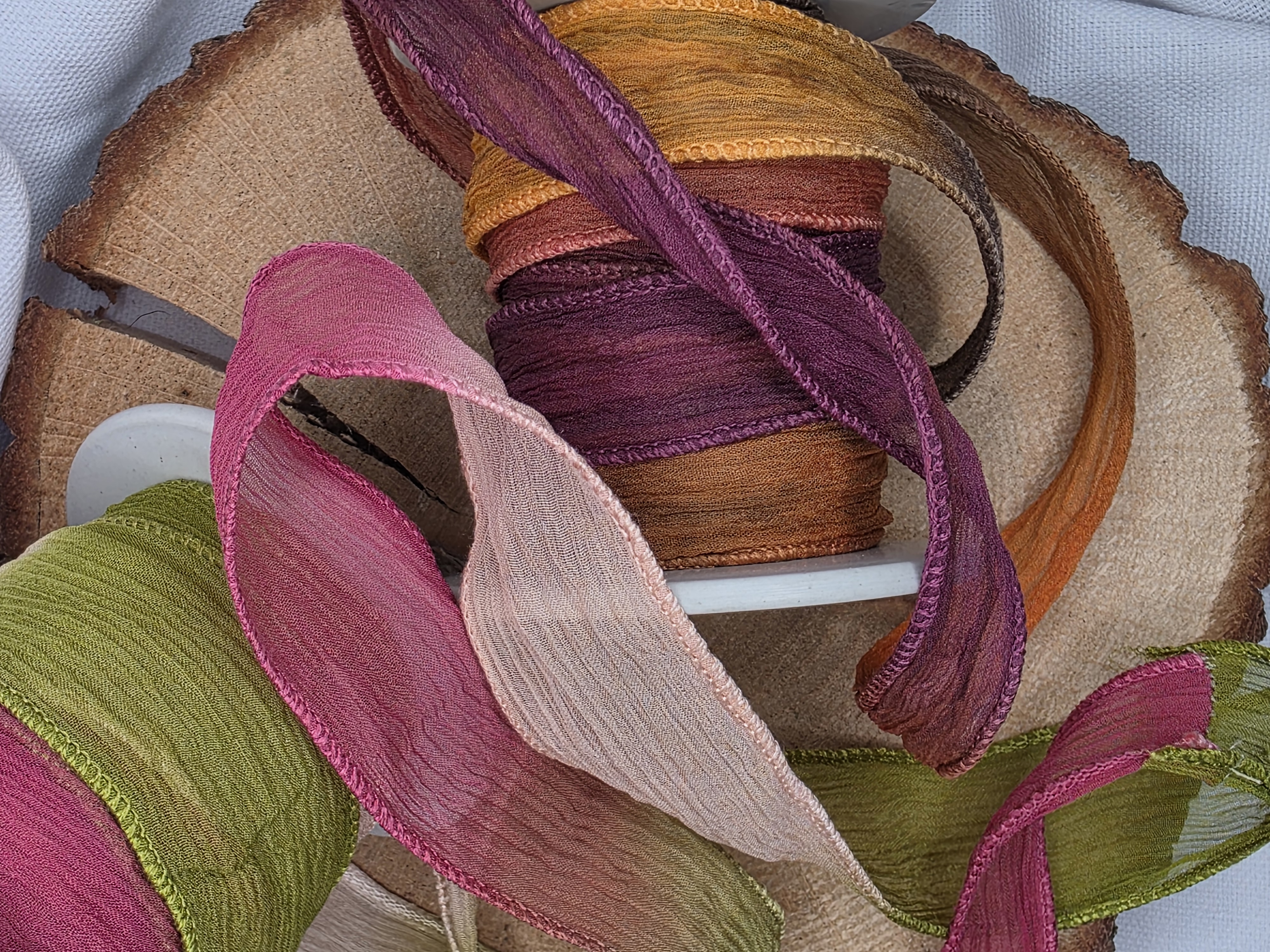
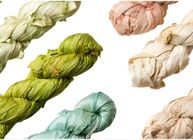
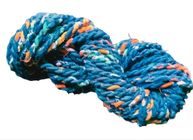
If you've ever come across a skein of yarn bursting with unpredictable color combinations — flecks of magenta next to gold, deep teal fading into rust — chances are you were looking at recycled sari silk yarn. It's one of the most exciting materials in the sustainable crafting world right now, and for good reason.
What Exactly Is Recycled Sari Silk Yarn?
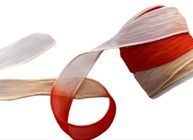
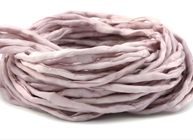
Sun Enterprises' recycled sari silk yarn is made from the leftover and discarded fabric of saris — the traditional draped garments worn across South Asia. Instead of ending up in landfill, these worn or off-cut silk fabrics are collected, torn into thin strips, and hand-spun into yarn or cord.
No two skeins are ever identical. Because the source material comes from hundreds of different saris, each batch carries its own mix of colors, textures, and slight imperfections — which is exactly what makes it so prized by makers who want something with character, not something mass-produced.
How It's Made
The process is refreshingly low-tech and largely artisanal:
- Sorting — old and surplus saris are collected and sorted by color and fabric weight
- Tearing — the fabric is cut or torn into narrow ribbons
- Spinning — the ribbons are twisted and spun, often by hand or with simple charkha-style wheels, into cord or yarn
- Winding — the finished yarn is wound into skeins or balls, ready for use
Because it relies on manual labor rather than industrial machinery, this process also supports small-scale artisan communities, many of them women-led cooperatives.
Why It's a Sustainability Win
It's genuine upcycling. Rather than growing new fiber, recycled sari silk gives a second life to textile waste that would otherwise be discarded or incinerated.
It reduces water and chemical use. No new dyeing, retting, or fiber extraction is needed — the color already exists in the original fabric.
It supports fair, small-batch production. Much of this yarn is produced by cooperatives that provide steady income to artisans, rather than through large industrial supply chains.
It fits the slow-fashion, slow-craft movement. As more makers move away from synthetic, mass-produced materials, recycled sari silk answers the growing demand for traceable, low-impact alternatives.
What Makes It So Popular with Crafters
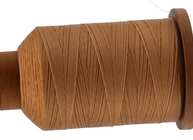
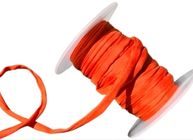
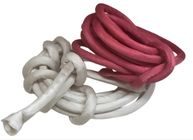
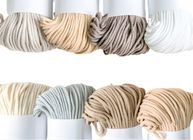
Beyond the eco-credentials, recycled sari silk yarn (and cord, like our Pure Rough Silk Cord) has practical appeal:
- Texture — a slightly rough, raw, organic feel that machine-spun yarns can't replicate
- Strength — silk fibers are naturally durable, making it suitable for macramé, weaving, and jewelry-making
- Color variety — every skein offers a unique gradient, perfect for one-of-a-kind pieces
- Versatility — it works beautifully in macramé wall hangings, woven wall art, tassels, jewelry, mixed-media art, and even bookbinding
Popular Uses
- Macramé — the raw texture adds depth to knotted patterns
- Jewelry making — wrapped cords, tassels, and beaded pieces
- Weaving and wall art — bold color runs create striking visual texture
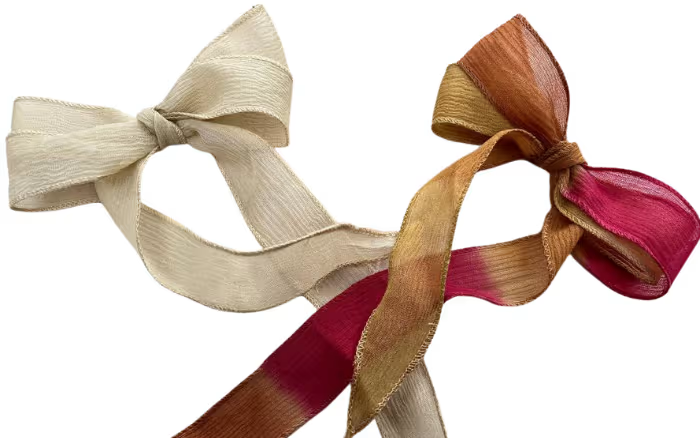
- Gift wrapping and packaging — an elegant, sustainable alternative to synthetic ribbon
- Mixed-media and scrapbooking — adds tactile interest to paper crafts
Why It's the Future of Eco-Friendly Crafts
As consumers and makers alike become more conscious of where materials come from, recycled sari silk sits at the intersection of three growing trends: sustainability, handmade authenticity, and support for ethical supply chains. It turns textile waste into a premium material — proof that eco-friendly doesn't have to mean compromising on beauty or quality.
For crafters looking to reduce their environmental footprint without sacrificing the tactile, colorful, one-of-a-kind materials that make handmade work special, recycled sari silk yarn isn't just a trend — it's a glimpse of where sustainable crafting is heading.
Looking to work recycled sari silk into your next project? Explore our Pure Rough Silk Cord, hand-spun from upcycled sari fabric for a truly one-of-a-kind material. Our silk and stringing materials products


