






PVC vs Rubber Cord: Which Is Right for Your Jewellery Line?
PVC vs Rubber Cord: Which Is Right for Your Jewellery Line?
When choosing a cord for jewellery making, it's easy to assume that all synthetic cords perform the same. However, PVC and rubber cords each have distinct characteristics that influence the appearance, comfort, durability, and functionality of the finished piece. Selecting the right material can affect everything from the type of clasp you use to how the jewellery feels when worn and how well it stands up to everyday use.
At Sun Enterprises, we have been supplying jewellery cords and findings to designers, manufacturers, and wholesalers across Europe since 1985. Our extensive range includes both PVC and rubber cords, each designed to meet different design requirements and market demands. This guide explains the differences between these two popular materials, helping you choose the most suitable option for your next jewellery collection.
PVC Cord: A Durable and Colourful Choice for Fashion Jewellery
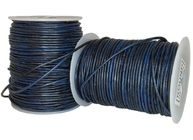
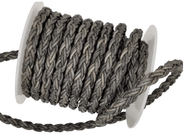
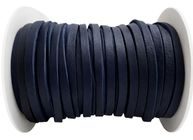
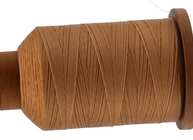
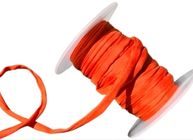
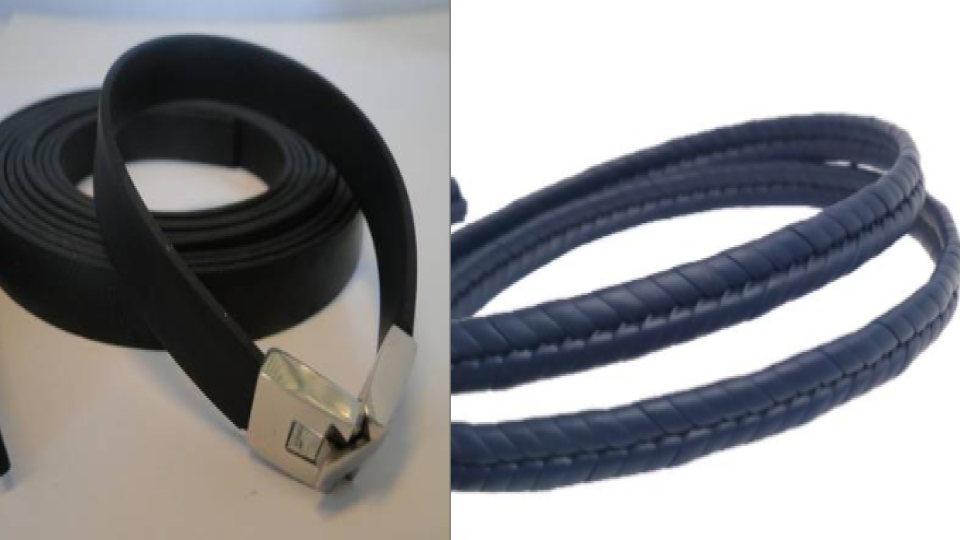
PVC (Polyvinyl Chloride) jewellery cord has become one of the most popular alternatives to traditional leather thanks to its versatility, affordability, and wide range of colours. Designed to replicate the appearance of leather while offering improved resistance to moisture and wear, PVC cord is an excellent choice for fashion jewellery, seasonal collections, promotional accessories, and high-volume production.
One of the biggest advantages of PVC cord is its consistent appearance. Unlike natural materials, every metre offers the same colour, texture, and thickness, making it ideal for jewellery brands producing large collections where uniformity is essential. PVC also maintains its vibrant colour over time and resists fading when exposed to sunlight or humidity, ensuring finished jewellery continues to look fresh after repeated wear.
Its smooth surface allows beads, sliders, and pendants to move easily across the cord while also making it simple to clean. A quick wipe with a damp cloth is usually enough to restore its original appearance, making PVC jewellery particularly suitable for customers looking for low-maintenance accessories.
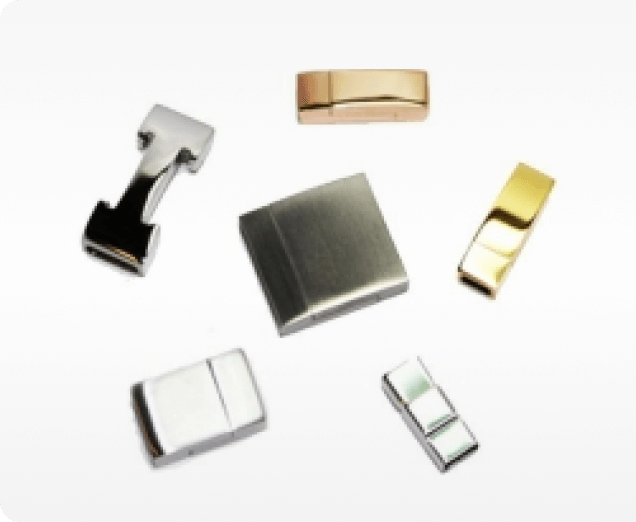
PVC cord is available in multiple diameters and colours, allowing designers to create everything from delicate necklaces and colourful bracelets to children's jewellery and fashion-forward statement pieces. It also pairs perfectly with magnetic clasps, end caps, connector clasps, and decorative spacers specifically designed for synthetic jewellery cords.
For jewellery brands looking for an affordable, vegan-friendly material with excellent durability and endless colour possibilities, PVC cord remains one of the most practical solutions available.
Rubber Cord: Comfort, Flexibility and Everyday Performance
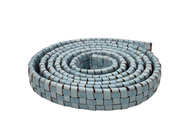
Rubber cord offers an entirely different experience. Rather than focusing on appearance alone, it prioritises flexibility, comfort, and movement. Its naturally soft texture makes it exceptionally comfortable against the skin, while its flexibility allows jewellery to adapt naturally to the wearer's movements throughout the day.
Unlike PVC, rubber cord has a matte, understated finish that creates a more contemporary and minimalist aesthetic. This makes it particularly popular in men's jewellery collections, sports-inspired accessories, and modern bracelet designs where simplicity and functionality are equally important.
One of rubber cord's greatest strengths is its ability to withstand repeated bending without losing its shape. Necklaces and bracelets that experience frequent movement benefit from this flexibility, helping maintain both comfort and durability over time. Rubber also performs exceptionally well in humid conditions, making it an excellent choice for customers who regularly wear jewellery outdoors or during everyday activities.
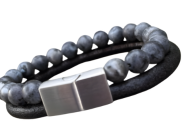
Rubber cord is commonly used for men's bracelets, bead jewellery, pendant necklaces, and casual lifestyle accessories. Its slightly softer feel gives jewellery a premium tactile quality, while its subtle appearance complements stainless steel, titanium, matte metal finishes, and natural stone beads particularly well.
Like PVC, rubber cord is compatible with a wide range of jewellery findings, including magnetic clasps, end caps, connector systems, and decorative components designed for the appropriate diameter.
PVC vs Rubber Cord: Understanding the Key Differences
Although both materials are excellent alternatives to traditional leather, they are designed to solve different design challenges.
PVC cord offers greater rigidity, creating jewellery that maintains its shape and structure. Its smooth, slightly glossy finish enhances vibrant colours and contemporary designs, making it particularly attractive for fashion collections and commercial jewellery aimed at a broad audience. Because PVC does not stretch, it provides greater dimensional stability, especially in necklaces and bracelets requiring precise measurements.
Rubber cord, on the other hand, is considerably more flexible. Its soft surface provides exceptional wearing comfort and allows jewellery to move naturally with the body. Rather than drawing attention through colour or shine, rubber creates a refined, understated look that appeals to customers seeking minimalist or premium casual jewellery.
Both materials offer excellent resistance to water and everyday wear, but each excels in different situations. PVC is generally easier to clean and maintains its colour exceptionally well, while rubber performs better in applications where repeated bending and flexibility are essential.
Which Material Is Better for Your Jewellery Collection?
The right choice depends entirely on your target customer and design objectives.
If your jewellery collection focuses on colourful fashion accessories, trend-driven designs, children's jewellery, or promotional products, PVC cord is often the better option. Its affordability, consistency, and extensive colour range make it highly suitable for brands producing large commercial collections.
If your designs prioritise comfort, flexibility, and understated elegance, rubber cord offers clear advantages. It is particularly well suited to men's jewellery, sports-inspired accessories, premium casual bracelets, and necklaces intended for everyday wear.
Many successful jewellery brands incorporate both materials into their collections. PVC provides bright, eye-catching pieces for fashion-conscious customers, while rubber appeals to buyers looking for comfort, durability, and minimalist styling. Offering both allows retailers to serve a wider audience without compromising on quality or design.
Choosing the Right Accessories
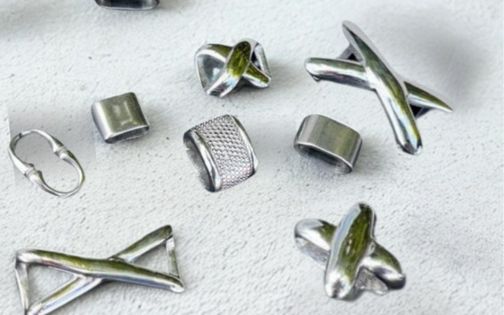
Regardless of which material you select, compatibility with jewellery findings remains essential. At Sun Enterprises, we supply matching clasps, end caps, connectors, sliders, and decorative components designed to work seamlessly with both PVC and rubber cords.
Selecting findings that match the cord diameter ensures a professional finish, improves durability, and simplifies the jewellery assembly process. Our extensive range allows designers to build complete collections using coordinated components, helping create jewellery that looks as refined as it performs.
Discover PVC and Rubber Jewellery Cords at Sun Enterprises
For over four decades, Sun Enterprises has supplied premium jewellery materials to brands, wholesalers, designers, and manufacturers throughout Europe. Our collection includes high-quality PVC and rubber cords in a wide variety of colours, diameters, and finishes, together with matching jewellery findings that simplify production and elevate every design.
Whether you are developing a colourful fashion collection, expanding a men's jewellery range, or searching for durable alternatives to leather, our team can help you find the right materials for your business.
Explore our complete range of PVC and rubber cords at our web page, or contact our team to discuss wholesale pricing, custom production, and private-label opportunities.


