



Stainless Steel vs Sterling Silver Jewellery Components
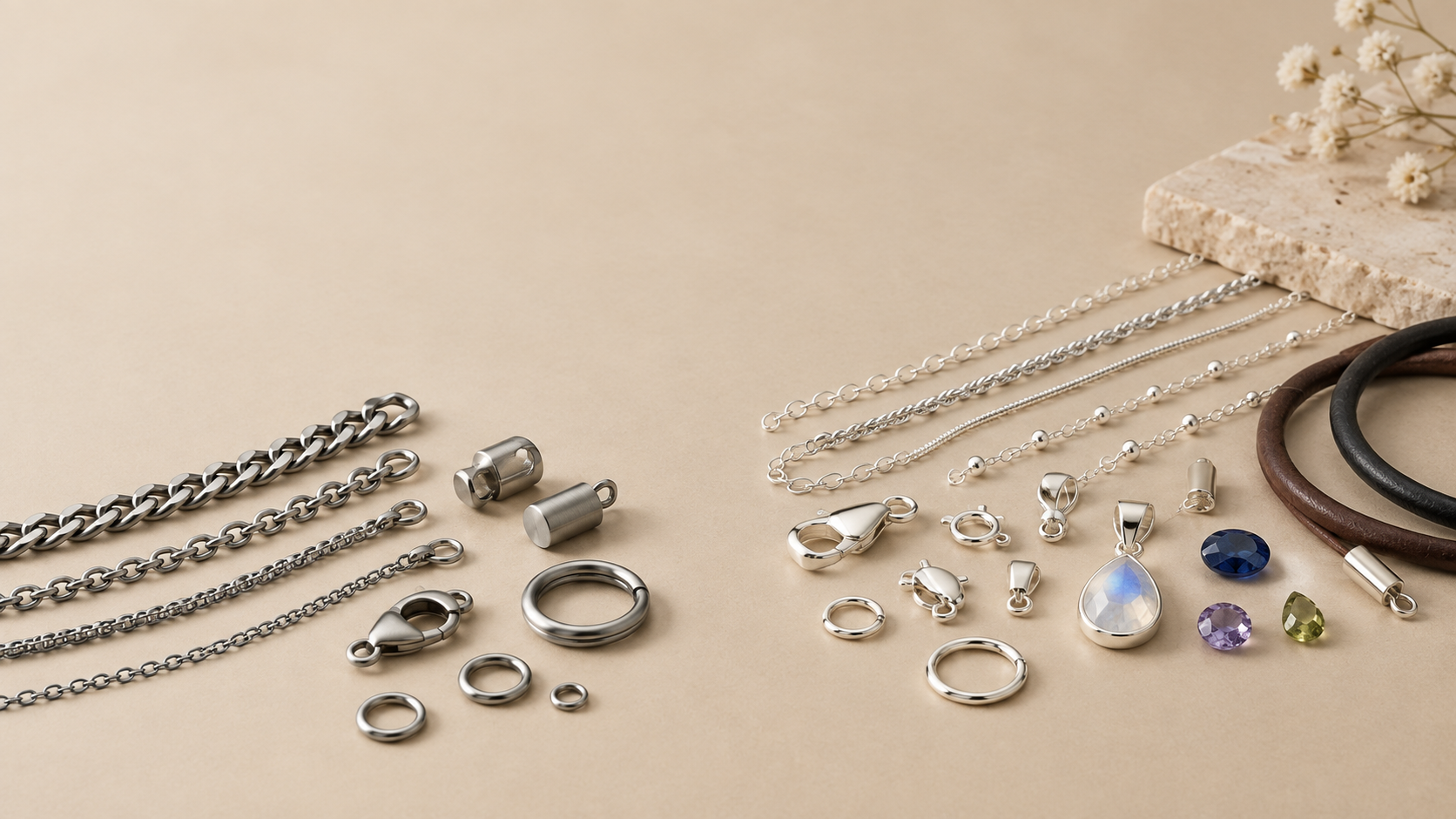
Choosing the right metal is an important decision when designing jewellery. Stainless steel and sterling silver are both popular materials for chains, clasps, bracelets, rings, pendants and other jewellery components, but they offer different advantages.
Stainless steel is known for its strength, durability and practical price point. Sterling silver is valued for its high silver content, premium appearance and timeless appeal.
In this guide, we compare stainless steel and sterling silver jewellery components to help designers, brands, retailers and jewellery makers choose the right material for their products.
Quick comparison
There is no universally better material. The best choice depends on the product design, target customer, price range, desired finish and use of the jewellery.
What is stainless steel?
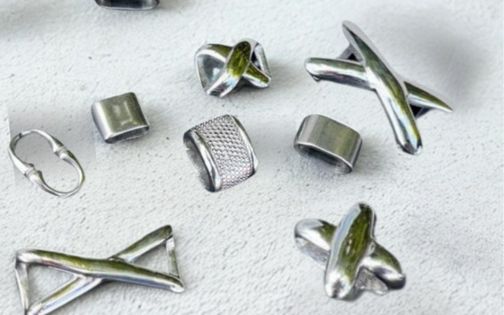
Stainless steel is a metal alloy known for its strength and resistance to corrosion. It is widely used for jewellery components because it can withstand everyday use while maintaining a consistent appearance.
Stainless steel is used to make:
-
Chains.
-
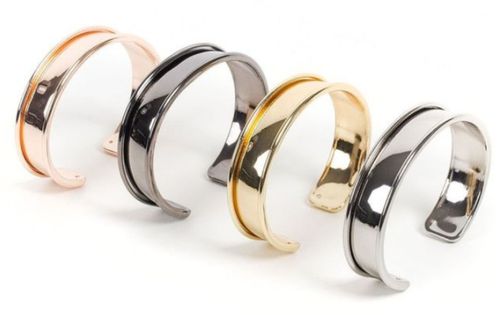
Bracelets.
-
Rings.
-
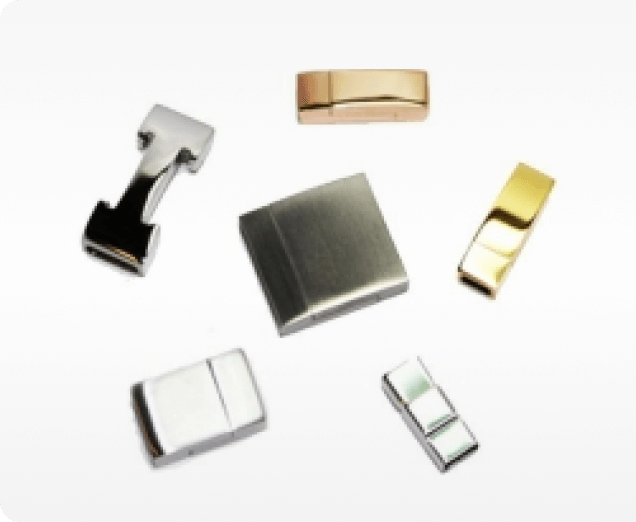
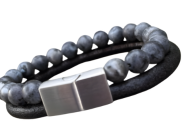
Magnetic clasps.
-
Connector clasps.
-
Pendants.
-
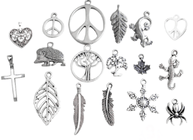
Charms.
-
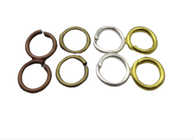
Jump rings.
-
Logo components.
-
Watch and accessory parts.
Sun Enterprises offers stainless steel chains, bracelets, rings, magnetic clasps and other jewellery components in different styles and finishes. Explore stainless steel jewellery components
Advantages of stainless steel
Stainless steel is popular for jewellery because it is:
-
Strong.
-
Durable.
-
Suitable for everyday wear.
-
Resistant to corrosion.
-
Relatively easy to maintain.
-
Available in many styles and finishes.
-
Suitable for larger or heavier designs.
-
Often more affordable than sterling silver.
It can be a practical choice for brands that want to create durable jewellery at an accessible price.
Possible disadvantages
Stainless steel may not be the ideal choice for every jewellery collection:
-
It may have a more industrial appearance.
-
It can feel less traditional or luxurious than silver.
-
It may be more difficult to modify or resize.
-
Plated finishes can wear depending on use and product quality.
-
Customers may perceive sterling silver as more valuable.
If your customers specifically look for precious metals, stainless steel may not communicate the same premium value as sterling silver.
What is sterling silver?
Sterling silver, also known as 925 silver, is an alloy containing at least 92.5% pure silver. The remaining 7.5% is usually made from other metals, such as copper, to improve strength and durability.
Pure silver is relatively soft, so it is usually alloyed before being used for functional jewellery components.
Sterling silver is commonly used for:
-
Chains.
-
Rings.
-
Earrings.
-
Bracelets.
-
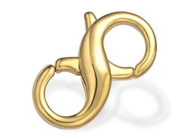
Clasps.
-
Locks.
-
Pendants.
-
Charms.
-
Premium findings.
The number 925 refers to 925 parts of silver out of 1,000. A 925 stamp is commonly used to identify sterling silver, although the exact marking and legal requirements can differ by market.
Sun Enterprises offers sterling silver chains, necklaces, clasps and other components for jewellery designers and brands.sunenterprises+1
Advantages of sterling silver
Sterling silver is valued for its:
-
Premium appearance.
-
Natural brightness.
-
High silver content.
-
Timeless appeal.
-
Perceived value.
-
Compatibility with gemstones and pearls.
-
Suitability for premium collections.
-
Recognisable 925 standard.
Sterling silver can help a jewellery brand position a product as more luxurious or meaningful.
Possible disadvantages
Sterling silver also requires some additional consideration:
-
It is generally more expensive than stainless steel.
-
It can tarnish over time.
-
It is softer and may scratch more easily.
-
It requires regular cleaning and care.
-
The higher material value can increase production and retail prices.
Tarnishing does not mean that sterling silver is poor quality. It is a natural reaction that can occur when silver comes into contact with air, moisture, cosmetics and some chemicals.
Stainless steel vs sterling silver: key differences
Durability
Stainless steel is generally the more practical option for jewellery exposed to frequent use, movement, moisture and everyday wear.
Sterling silver is also suitable for everyday jewellery, but it is softer and can show scratches or marks more easily. It may need more careful handling, especially when used for delicate components.
Best choice for maximum everyday durability: Stainless steel.
Appearance
Stainless steel usually has a clean, modern and consistent appearance. It works well for minimalist, contemporary, industrial and unisex jewellery.
Sterling silver has a softer and more traditional appearance. It is often associated with fine jewellery, meaningful gifts and premium designs.
Best choice for a premium traditional appearance: Sterling silver.
Tarnishing and maintenance
Stainless steel is generally resistant to corrosion and requires relatively little maintenance.
Sterling silver may darken or tarnish over time. It can usually be restored with a suitable silver polishing cloth or cleaning method.
Customers should receive appropriate care instructions for either material. Avoid making absolute claims such as “will never tarnish” unless they are supported by product-specific testing.
Best choice for lower maintenance: Stainless steel.
Price
Stainless steel is usually less expensive than sterling silver. This can make it suitable for:
-
Larger collections.
-
Entry-level jewellery.
-
Trend-led products.
-
High-volume designs.
-
Jewellery with larger or heavier components.
Sterling silver costs more because of its silver content and premium positioning.
Best choice for a lower component cost: Stainless steel.
Perceived value
Sterling silver is often perceived as more valuable because it contains a high percentage of silver and is recognised as a precious-metal alloy.
Stainless steel can still communicate quality, particularly when it is well designed and finished, but its value is usually based more on durability, appearance and function.
Best choice for premium material positioning: Sterling silver.
Compatibility with gemstones and leather
Both materials can be combined with:
-
Leather cords.
-
Suede.
-
Silk cords.
-
Gemstones.
-
Pearls.
-
Beads.
-
Chains.
-
Charms.
Sterling silver is often chosen for premium gemstone and pearl jewellery. Stainless steel can create a strong contrast with leather, natural stones and contemporary designs.
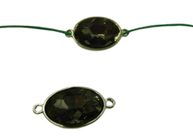
Sun Enterprises specifically highlights the combination of sterling silver with gemstones, pearls, leather cords, stingray leather and silk cords.
Which material is best for jewellery components?
The right choice depends on your product and customer.
These are general recommendations. The final choice should also consider the specific design, component size, finish and intended use.
Stainless steel or sterling silver chains?
Both stainless steel and sterling silver chains are available in many link styles, widths and finishes.
Stainless steel chains
Stainless steel chains can be suitable for:
-
Everyday necklaces.
-
Layered jewellery.
-
Men’s jewellery.
-
Heavy pendants.
-
Fashion collections.
-
Large-scale production.
-
Jewellery requiring a durable chain.
Sterling silver chains
Sterling silver chains can be suitable for:
-
Fine necklaces.
-
Gemstone pendants.
-
Premium jewellery.
-
Gift collections.
-
Delicate layering.
-
Designs where material value is important.
When choosing a chain, also consider:
-
Link size.
-
Chain weight.
-
Pendant weight.
-
Clasp compatibility.
-
Plating or finish.
-
Required length.
-
Customer care requirements.
Sun Enterprises supplies stainless steel, sterling silver, aluminium, gemstone and custom chains by the metre for bulk orders.
Stainless steel or sterling silver clasps?
Clasps need to be attractive, functional and suitable for the weight of the jewellery.
Stainless steel clasps
Stainless steel clasps can be suitable for:
-
Leather bracelets.
-
Everyday jewellery.
-
Heavy designs.
-
Magnetic closures.
-
Modern collections.
-
Products requiring a consistent finish.
Sterling silver clasps
Sterling silver clasps can be suitable for:
-
Premium jewellery.
-
Gemstone necklaces.
-
Fine chains.
-
Luxury bracelets.
-
Designs where all metal components should match.
The clasp should always be compatible with the chain, leather cord, wire or other material. The size should also be proportionate to the finished design.
Sun Enterprises offers both stainless steel and sterling silver chains, clasps and other jewellery components.
Choosing between stainless steel and sterling silver
Choose stainless steel if:
-
The jewellery is intended for frequent everyday wear.
-
You want a durable and low-maintenance component.
-
You are working with a lower or medium price point.
-
You are creating a larger collection.
-
The design has heavy or substantial components.
-
You want a modern or industrial appearance.
-
The product is aimed at customers who value practicality.
Choose sterling silver if:
-
You are creating a premium collection.
-
Material value is important to the customer.
-
You are working with gemstones or pearls.
-
The jewellery is intended as a gift.
-
You want a classic and refined appearance.
-
The 925 silver standard supports your product positioning.
-
You are prepared to provide silver-care instructions.
How the metal affects wholesale pricing
The metal choice affects more than the appearance of the finished jewellery. It also influences:
-
Component cost.
-
Product weight.
-
Labour.
-
Shipping.
-
Packaging.
-
Insurance.
-
Retail pricing.
-
Wholesale margins.
-
Customer expectations.
Stainless steel can help brands create a durable product at a more accessible cost. Sterling silver may support a higher retail price, but the business must also account for the increased material cost and any additional care or handling requirements.
Before choosing a material, calculate the complete product cost:
Then compare the total cost with the retail price your target customer is willing to pay.
Important questions to ask your supplier
Before ordering stainless steel or sterling silver components, ask:
-
What is the exact material or alloy?
-
What sizes and finishes are available?
-
Is the component suitable for the intended weight?
-
Is the product plated or made from the stated material throughout?
-
What care instructions should be provided?
-
Are material specifications available?
-
Can the component be customised?
-
Can a logo be engraved?
-
Is a sample available?
-
Are repeat orders possible?
-
What quantities are available for wholesale?
-
Is the component compatible with my cord, chain or clasp?
-
What documentation can be provided for the intended market?
Clear material information helps you describe your products accurately and communicate with customers.
Common mistakes to avoid
Choosing based only on price
The least expensive component may not provide the appearance, durability or customer value required for your product.
Assuming stainless steel and sterling silver look identical
Both materials can have a bright finish, but they have different visual qualities and care requirements.
Ignoring the rest of the design
The metal should work with the leather cord, gemstones, chain, clasp and overall brand identity.
Forgetting product care information
Sterling silver may require polishing, while plated or finished stainless steel components may also need specific care instructions.
Mixing metals without a clear design plan
Mixed-metal jewellery can look attractive, but the combination should be intentional and consistent.
Making unsupported claims
Avoid promising that jewellery is hypoallergenic, waterproof, tarnish-proof or suitable for every wearer unless you have reliable product-specific information.
Failing to test the finished jewellery
Test the complete product, not only the individual component. Weight, movement, comfort and clasp function can change after assembly.
FAQ
Is stainless steel better than sterling silver for jewellery?
Neither material is always better. Stainless steel is usually stronger, more affordable and easier to maintain, while sterling silver offers a more premium appearance and higher perceived material value.
Is sterling silver more valuable than stainless steel?
Sterling silver generally has a higher material value because it contains at least 92.5% silver. The final value of a jewellery product also depends on its design, craftsmanship, gemstones, brand and finish.
Does stainless steel jewellery tarnish?
Stainless steel is generally resistant to corrosion and tarnishing, but the performance can depend on the specific alloy, surface finish, plating, wear and care. Avoid making absolute claims without product-specific testing.
Does sterling silver tarnish?
Sterling silver can tarnish over time because of its interaction with air, moisture, cosmetics and other substances. Regular cleaning and appropriate storage can help maintain its appearance.
Which material is best for everyday jewellery?
Stainless steel is often a practical choice for everyday jewellery because it is durable and relatively easy to maintain. Sterling silver can also be worn daily but may require more care.
Which material is best for premium jewellery?
Sterling silver is often chosen for premium jewellery because of its silver content, recognised 925 standard and refined appearance. The final quality also depends on the design and other materials used.
Which material is better for leather bracelets?
Stainless steel is a popular choice for leather bracelets because it is durable, modern and suitable for magnetic clasps and larger components. Sterling silver can be used when the bracelet is positioned as a premium or luxury product.
Can stainless steel and sterling silver be used together?
Yes. Mixing metals can create an attractive contemporary effect. Use the combination intentionally and make sure the finishes and colours work together.
Are stainless steel components cheaper than sterling silver components?
Stainless steel components are generally more affordable than sterling silver components. The exact price depends on the component type, size, finish, plating, quantity and supplier.
Can sterling silver be used with gemstones?
Yes. Sterling silver is commonly combined with gemstones, pearls, leather cords and silk cords. Its refined appearance works well with both colourful and neutral stones.
Which metal is easier to maintain?
Stainless steel generally requires less maintenance. Sterling silver may need occasional polishing to remove tarnish and restore its shine.
How can I choose the correct metal for wholesale jewellery?
Consider your target customer, price range, product weight, design style, maintenance requirements, retail positioning and expected order quantity. Test samples before committing to a larger collection.
Does Sun Enterprises supply both stainless steel and sterling silver components?
Yes. Sun Enterprises’ catalogue includes stainless steel chains, bracelets, rings and other components, as well as sterling silver chains, necklaces and components.
Find stainless steel and sterling silver components at Sun Enterprises
Sun Enterprises supplies stainless steel and sterling silver chains, clasps, bracelets, rings and other jewellery components for designers, retailers, manufacturers and distributors.
The wider catalogue also includes leather cords, magnetic clasps, gemstones, findings, beads, charms and stringing materials, allowing businesses to source multiple components for a complete collection.
Explore stainless steel and sterling silver jewellery components


