





What is a Polo belt?
A Timeless Accessory at the Crossroads of Sport, Craft, and B2B Fashion Supply
Leather polo belts are one of those rare accessories that successfully combine heritage, craftsmanship, color, and contemporary fashion. What once started as a functional sports accessory linked to the game of polo has today evolved into a globally recognized fashion item found in lifestyle collections, luxury brands, equestrian markets, and boho-inspired accessories.
But what exactly is a leather polo belt? How is it made, why is it so distinctive, and why does it remain commercially relevant for B2B buyers today?
In this guide, we explore the history, structure, production process, materials, and market value of the leather polo belt from a professional, industry-focused perspective.
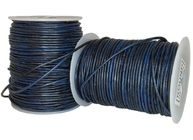
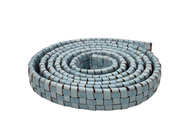
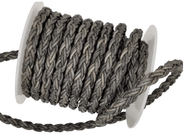
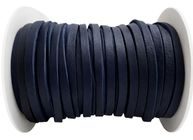
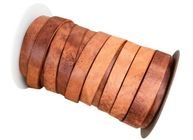
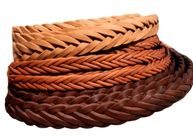
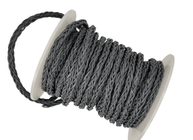
Our collection of leather belts (small fraction)
The Origin of the Leather Polo Belt
The leather polo belt originated from the traditional sport of polo, played for centuries by royalty and elite riders in regions such as India, Argentina, and the United Kingdom. Early polo players needed belts that were not only durable but also flexible enough to move with the body during fast riding and intense motion.
Artisans began decorating strong leather belts with colorful hand-stitched thread patterns, both for visual identity and aesthetic appeal. Over time, these stitched designs became a signature feature and what was once purely functional slowly transformed into a decorative fashion accessory.
Today, leather polo belts are worn far beyond the polo field. They have entered:
-
Casual lifestyle fashion
-
Equestrian style collections
-
Preppy and boho fashion segments
-
Luxury accessories markets
Yet their visual identity still reflects their sporting roots.
What Defines a Leather Polo Belt?
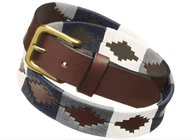
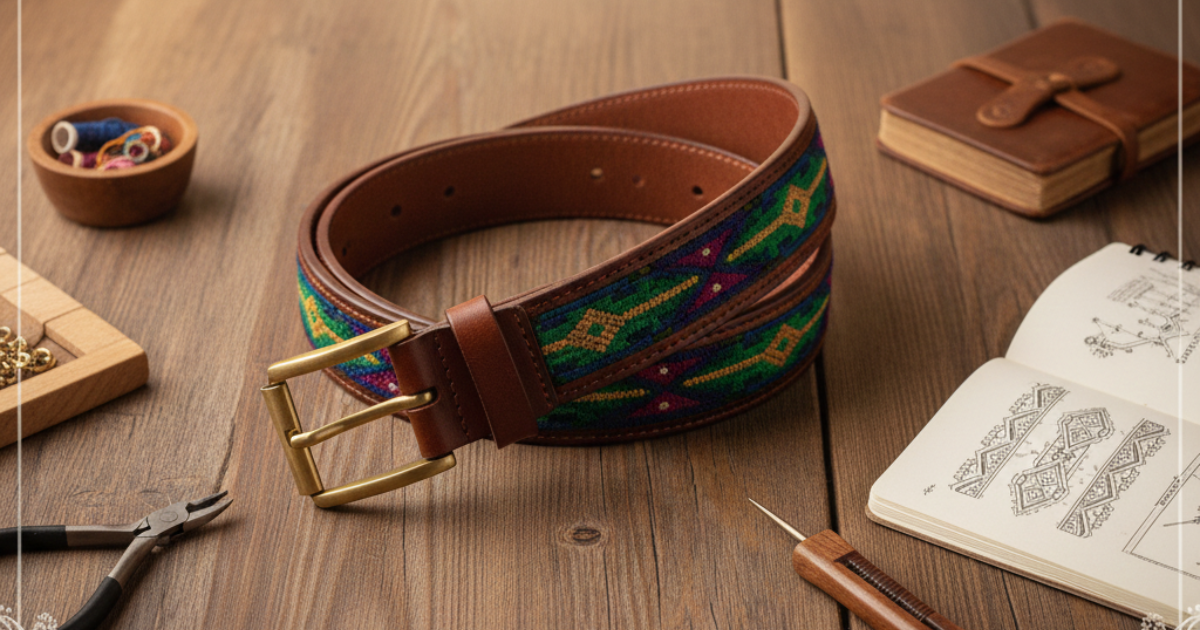
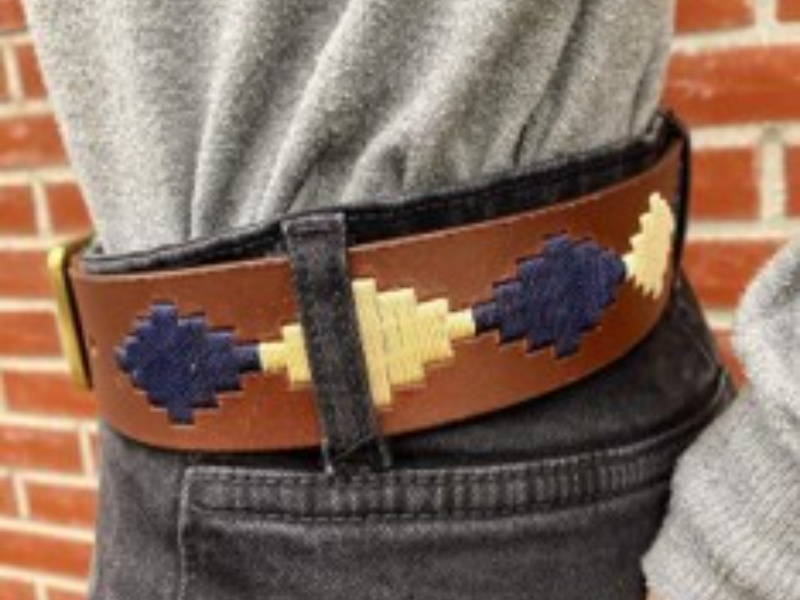
A leather polo belt is characterized by three core elements:
-
A strong leather base
Usually made from full-grain or top-grain leather for durability and structure. -
Hand-stitched or machine-stitched colorful thread patterns
These geometric designs are the visual signature of the polo belt. -
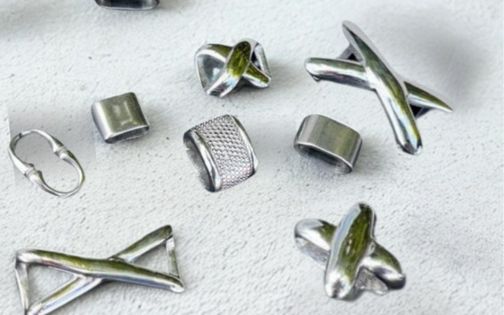
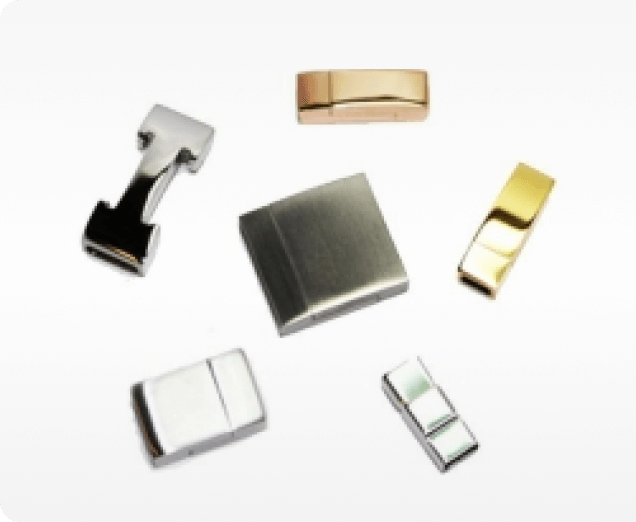
A metal buckle and reinforcement loop
Typically made from brass, stainless steel, or plated metal in gold or antique finishes.
The result is a belt that is both:
-
Structurally robust
-
Highly decorative
-
Instantly recognizable
Unlike printed belts or synthetic fabrics, a polo belt’s design is built directly into the structure of the belt through stitching, which gives it long-term visual durability.
How Is a Leather Polo Belt Made?
From a manufacturing perspective, the production of leather polo belts follows a multi-step craft-driven process.
1. Leather Selection
High-quality leather is essential. The leather must be:
-
Strong yet flexible
-
Smooth enough for stitching
-
Resistant to cracking and stretching
Vegetable-tanned leather is often preferred for its natural aging, environmentally friendly processing, and ability to hold stitching firmly.
2. Cutting the Leather Base
The leather is cut into long, narrow belt strips in standardized widths, typically between 30 mm and 40 mm, depending on the target market.
Edges are carefully trimmed and sometimes beveled for comfort and visual refinement.
3. Pattern Design
Before stitching begins, the decorative pattern is planned. These patterns are often inspired by:
-
Traditional polo motifs
-
Argentine and Indian color traditions
-
Geometric boho-style designs
-
Brand-specific color palettes
For B2B clients, custom color combinations and private-label patterns are very common.
4. Stitching Process
The decorative threads are stitched directly into the leather surface using:
-
Traditional hand-stitching for premium collections
-
Precision machines for scalable production
This step requires extreme consistency, as uneven stitching immediately lowers perceived product quality.
5. Buckle Attachment
Finally, the buckle and keeper loop are added. The belt is then punched with sizing holes and finished with edge sealing for durability.
Why Leather Polo Belts Remain Commercially Relevant
In a global accessories market dominated by fast fashion, leather polo belts maintain a strong position because they offer something increasingly rare: visual identity with material integrity.
From a B2B perspective, they provide several strategic advantages:
-
High perceived value
-
Long product lifespan
-
Clear differentiation from printed or woven belts
-
Strong storytelling potential (heritage + craftsmanship)
-
Seasonal color adaptability without changing the core product
This makes them ideal for:
-
Fashion brands
-
Equestrian suppliers
-
Lifestyle retailers
-
Gift and concept stores
-
Private-label accessory programs
Leather Polo Belts in Modern Fashion
Today’s leather polo belts are no longer limited to sportswear. They are styled with:
-
Jeans and casual wear
-
Dresses and boho outfits
-
Preppy fashion looks
-
Western and equestrian styles
Their ability to shift between sport heritage and fashion statement makes them highly adaptable across different retail environments.
In addition, modern consumers are increasingly drawn to products that feel:
-
Craft-based
-
Non-industrial
-
Visually expressive
-
Emotionally authentic
Polo belts fit perfectly into this demand profile.
Sustainability and Material Responsibility
Leather polo belts are also gaining importance in the context of responsible manufacturing. When produced using:
-
Byproduct leather from the food industry
-
Vegetable tanning methods
-
Long lifecycle design principles
they align naturally with sustainability goals.
Unlike low-cost synthetic belts that are often discarded after one season, a leather polo belt is built to last for years. This product longevity significantly reduces long-term environmental impact and supports the shift from fast consumption to durable ownership.
For B2B brands, this strengthens:
-
ESG positioning
-
Eco-conscious branding
-
Responsible supplier communication
Customization as a Key B2B Advantage
One of the most powerful commercial strengths of leather polo belts is customization. Almost every element can be adapted for private-label production:
-
Leather color
-
Stitch color patterns
-
Belt width
-
Buckle finish
-
Logo embossing
-
Packaging
This allows brands to:
-
Create exclusive collections
-
Match seasonal color trends
-
Develop country-specific designs
-
Offer limited-edition releases
From a supply-chain perspective, this makes polo belts highly suitable for:
-
Promotional collections
-
Premium gift programs
-
Branded accessories
Quality Control in Polo Belt Production
For wholesale distribution, quality control is essential. Each belt should be checked for:
-
Even stitching tension
-
Color consistency across batches
-
Secure buckle attachment
-
Clean leather edges
-
Accurate sizing and hole placement
A professionally produced leather polo belt must meet both aesthetic and mechanical performance standards, especially for international distribution.
Why Leather Polo Belts Continue to Sell Globally
The ongoing demand for leather polo belts is driven by several deeper market forces:
-
A growing preference for handcrafted aesthetics
-
A renewed interest in heritage materials
-
Demand for long-lasting accessories
-
Consumer fatigue with disposable fashion
In short, leather polo belts represent a bridge between:
-
Sport and fashion
-
Tradition and trend
-
Craft and commerce
This makes them a low-risk, high-identity product category for B2B buyers.
Complete Material Supply for Polo Belt Production
For professional production, reliable sourcing is crucial. Manufacturers and brands require access to:
-
High-quality leather straps
-
Decorative stitching threads
-
Metal buckles in multiple finishes
-
Edge paints and sealers
-
Packaging materials
A strong B2B supplier enables:
-
Consistent product quality
-
Efficient scaling
-
Custom production runs
-
Shorter lead times for seasonal launches
From Equestrian Gear to Lifestyle Icon
What began as a functional belt for horse riders has evolved into a lifestyle symbol recognized across continents. The leather polo belt’s ability to survive cultural shifts, fashion cycles, and technological change is proof of one thing. For today’s B2B market, leather polo belts remain a commercially stable, visually distinctive, and emotionally resonant product line.
At Sun Enterprises, we have many types of leather belts and we can find something for your liking!


