





Leather Cord Sizing Guide: How to Choose the Right Thickness
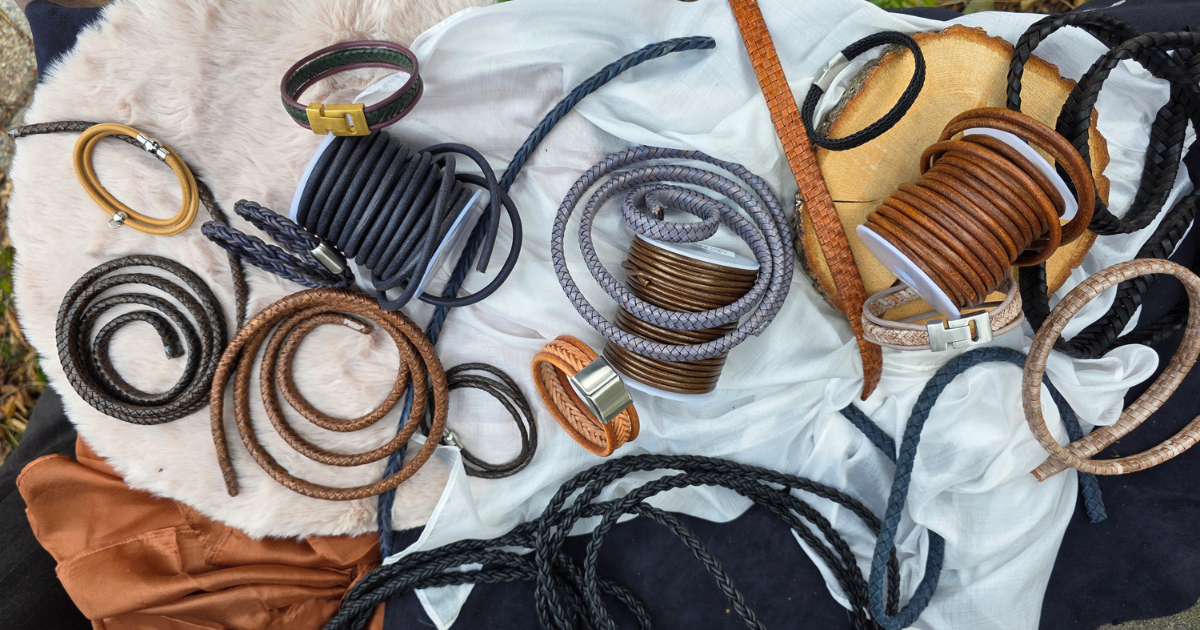
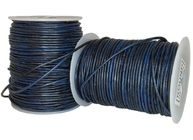
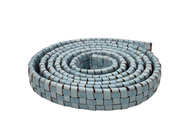
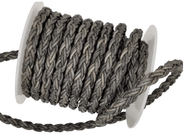
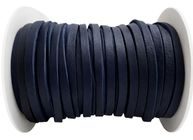
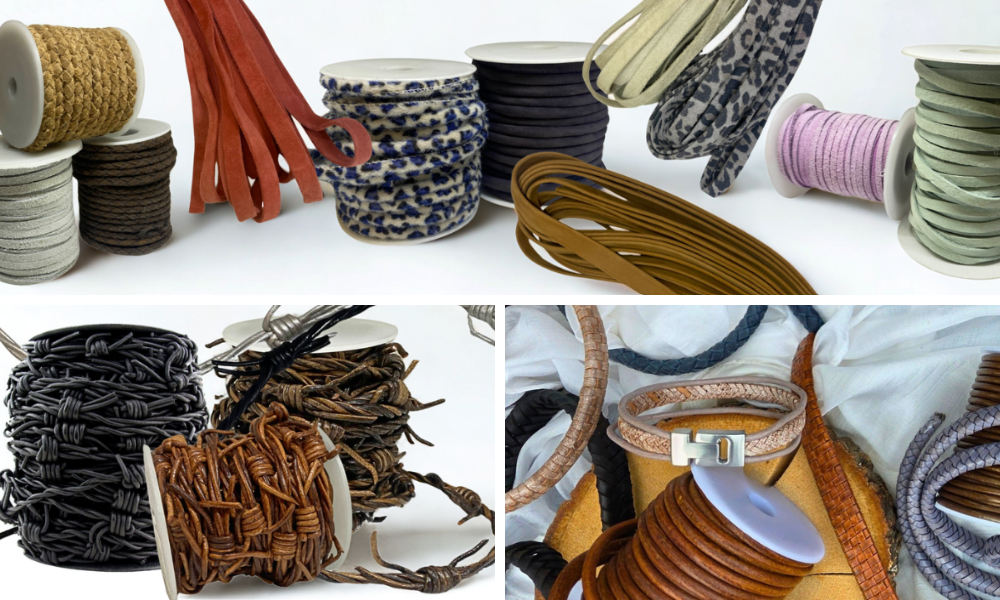
Leather cords, also known as leather laces, is a natural strip cut from the edge of a leather hide. It is available in a wide range of shapes and sizes, including round, square, flat, and braided options. Each variation offers different aesthetic and functional qualities, making leather cord a highly versatile material.
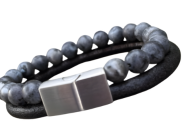
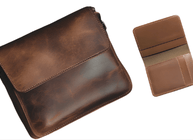
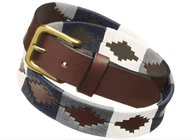
From bags and cowboy hats to leather cord bracelets, necklaces, belts, and shoes, leather cord is used across fashion, accessories, and craftsmanship.
However, every project requires a specific leather size that best suits its purpose. Choosing the correct thickness is not just a matter of appearance, it directly affects durability, flexibility, and overall performance.
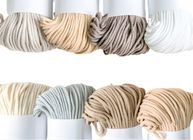
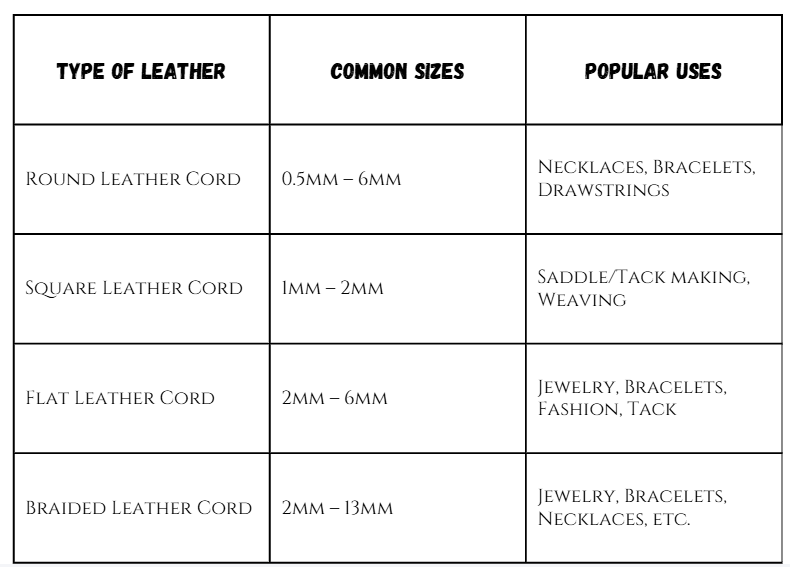
Below some common leather cords sizes:
Thicker leather cords, for example, are better at handling tension and stitch stress, making them ideal for products that require strength and resistance, such as luggage or heavy-duty bags. On the other hand, thick leather is not suitable for smaller or more delicate designs, where flexibility and subtlety are essential.
As a wholesaler and manufacturer of leather cord components and jewellery supplies, Sun Enterprises B.V. offers a wide variety of leather cord sizes to meet diverse design needs. Whether you are creating bold statement pieces or fine, detailed accessories, selecting the right dimensions is key to achieving both beauty and functionality.
You may now be wondering: how do you determine the appropriate leather cord size for your designs?
A useful rule of thumb is to divide the thickness of the leather (in millimetres) by seven. This provides a rough estimate of the ideal thread thickness to use for stitching. While this formula works well in most cases, extremely thick or thin leather may require adjustments beyond the calculation. In such situations, experience and practical judgment become essential.
Ultimately, selecting the right leather cord is about balance, between strength and flexibility, durability and refinement. Understanding your project’s functional demands and aesthetic goals will guide you toward the best choice, ensuring a final product that is not only visually appealing but also built to last.


