



How to Combine Leather, Gemstones and Stainless Steel in Jewellery Design
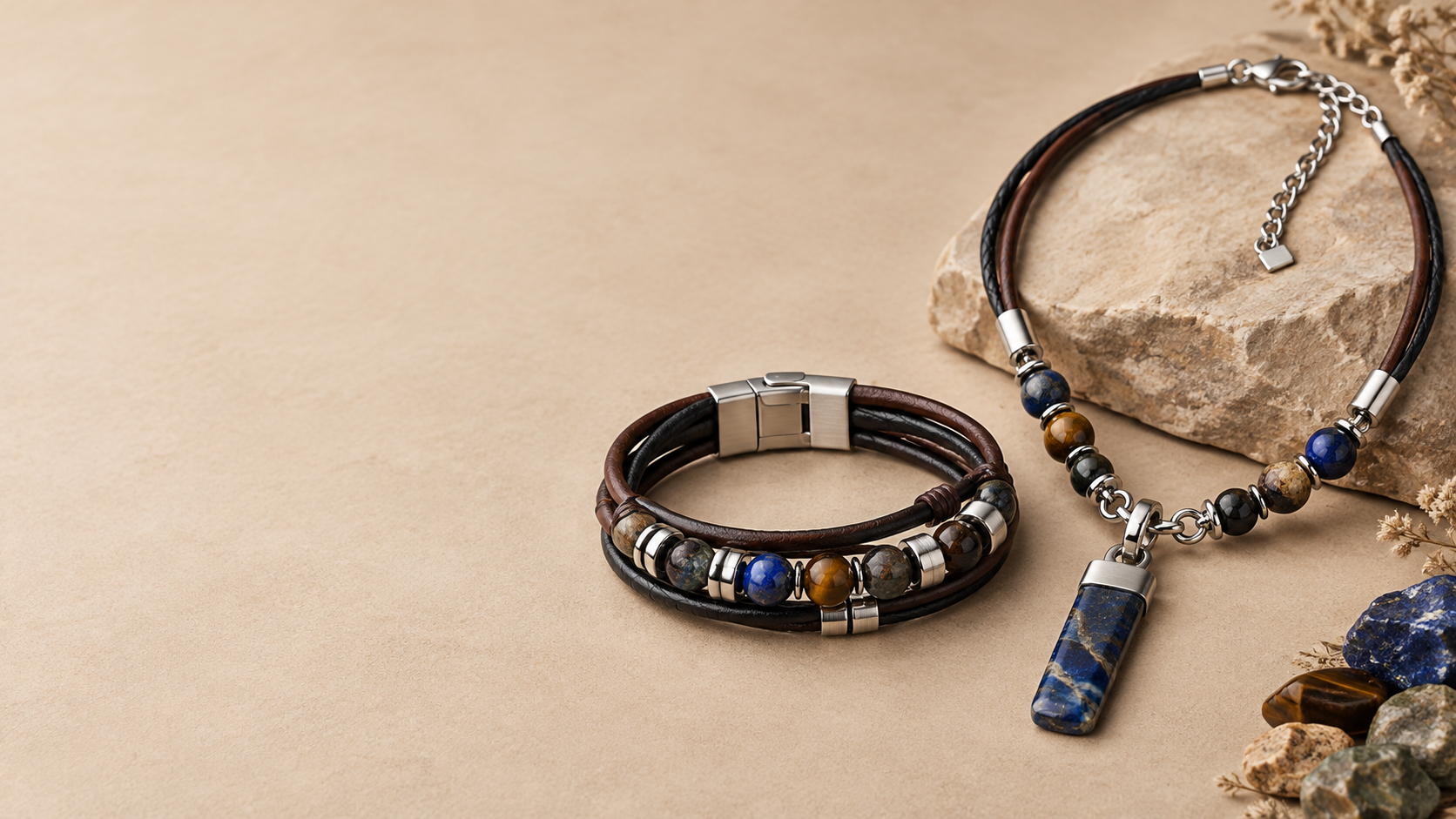
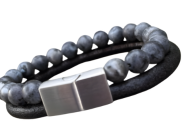
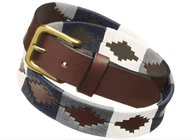
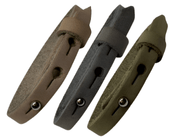
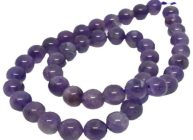
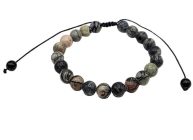
Combining leather, gemstones and stainless steel is an effective way to create jewellery with contrast, texture and personality. The softness of leather, natural character of gemstones and clean finish of stainless steel can work together in bracelets, necklaces and other accessories.
The key is to select materials that complement one another in colour, proportion and function.
Why combine leather, gemstones and stainless steel?
Each material contributes something different to a jewellery design:
-
Leather adds warmth, texture and flexibility.
-
Gemstones introduce colour, pattern and natural variation.
-
Stainless steel provides structure, durability and a modern finish.
Together, these materials can create designs that feel both natural and contemporary. This combination works particularly well for everyday jewellery, men’s accessories, layered necklaces and distinctive bracelet collections.
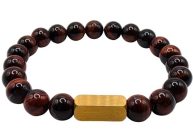
Sun Enterprises offers leather cords, gemstones, stainless steel chains, bracelets, clasps and other jewellery components for designers and jewellery brands. Explore jewellery components
Choose a clear design direction
Before selecting individual components, decide what you want the finished jewellery to communicate.
Minimalist
Use:
-
One round leather cord.
-
A small gemstone.
-
A simple stainless-steel clasp.
-
One neutral colour palette.
Natural and earthy
Use:
-
Brown, tan or green leather.
-
Tiger eye, jasper or other earthy gemstones.
-
Brushed or antique-effect stainless steel.
-
Larger natural shapes.
Modern and bold
Use:
-
Black or dark braided leather.
-
Polished stainless steel.
-
Black, grey or deep-coloured gemstones.
-
Chunky clasps or chain elements.
Premium
Use:
-
High-quality leather.
-
Carefully matched gemstones.
-
Refined stainless-steel components.
-
A clean finish and branded detail.
A consistent design direction prevents the jewellery from looking overcrowded.
How to choose the leather
Leather is often the foundation of the design. Start by choosing its shape, thickness and texture.
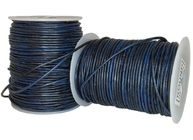
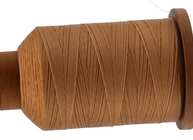
Round leather cord
Round leather cord is versatile and works well with:
-
Magnetic clasps.
-
Gemstone beads.
-
Pendants.
-
Small stainless-steel connectors.
-
Minimal bracelets.
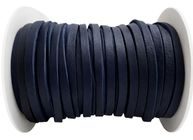
Flat leather cord
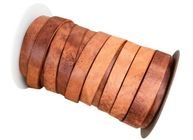
Flat cord creates a wider surface and can make a bracelet look more substantial. It works well with larger clasps, metal connectors and statement gemstones.
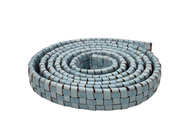
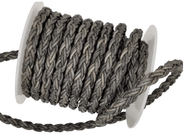
Braided leather cord
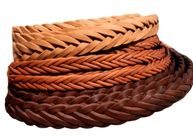
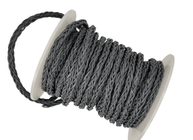
Braided leather adds texture and visual interest. It is suitable for casual, bohemian and men’s jewellery designs.
Suede and textured leather
Suede creates a softer appearance and can work well with natural gemstones, layered designs and lightweight metal components.
When selecting leather, consider:
-
Colour.
-
Diameter or width.
-
Flexibility.
-
Texture.
-
Strength.
-
Compatibility with the clasp.
-
The weight of the gemstones and metal components.
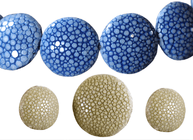
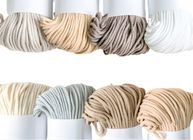
Sun Enterprises offers round, flat, braided, suede, nappa, regaliz, vegan, stingray and other leather cord styles in a wide range of colours and sizes.
Select gemstones that support the leather
Gemstones should complement the leather rather than compete with it.
Earthy leather colours
Brown, tan and natural leather work well with:
-
Tiger eye.
-
Jasper.
-
Agate.
-
Smoky quartz.
-
Green gemstones.
-
Warm neutral stones.
Black leather
Black leather can be combined with:
-
Onyx.
-
Labradorite.
-
Hematite.
-
Grey gemstones.
-
Clear or white stones.
-
Silver-coloured components.
Coloured leather
If the leather is already bright, choose gemstones in a complementary or neutral colour. For example, blue leather may work with grey, white or deep blue stones.
Choosing gemstone size
Large gemstones create a statement appearance, while smaller beads are better for delicate or layered designs.
The size should also be practical. Heavy gemstones may require:
-
A stronger clasp.
-
Thicker leather.
-
Secure wire or connectors.
-
More durable attachment points.
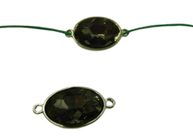
Sun Enterprises supplies gemstone strings, bracelets, necklaces and loose beads in materials such as tiger eye, lapis lazuli, rose quartz, garnet, labradorite and moonstone.
Add stainless steel for structure and contrast
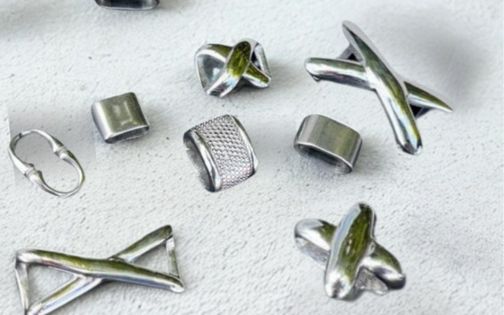
Stainless steel can give a leather-and-gemstone design a clean, contemporary finish.
It can be used for:
-
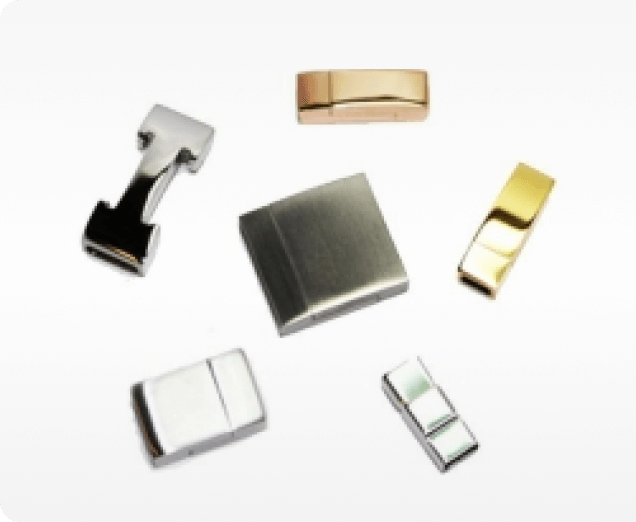
Magnetic clasps.
-
End caps.
-
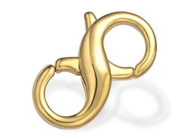
Connector clasps.
-
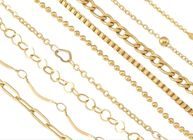
Chains.
-
Pendants.
-
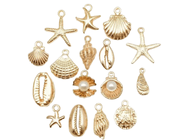
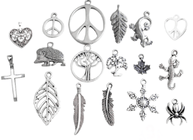
Charms.
-
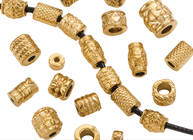
Beads.
-
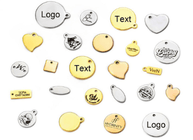
Logo tags.
-
Decorative links.
The cool appearance of stainless steel creates a strong contrast with the warmth of leather and the natural variation of gemstones.
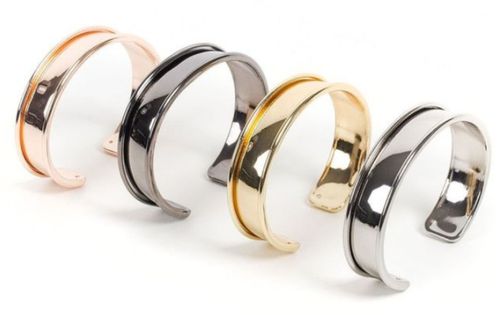
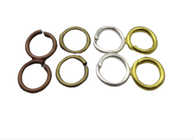
Choose a finish that matches the overall design:
-
Polished steel for a bright, modern look.
-
Brushed steel for a softer, understated appearance.
-
Gold-coloured plating for a warmer, more luxurious effect.
-
Rose-gold plating for a softer fashion look.
-
Dark or black finishes for a bold design.
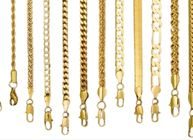
Sun Enterprises offers stainless steel chains, bracelets, rings, clasps and other components in different designs and finishes
Five material combinations to try
1. Minimal leather bracelet
-
Black round leather cord.
-
One small onyx bead.
-
Stainless-steel magnetic clasp.
This creates a clean and versatile everyday bracelet.
2. Earth-inspired bracelet
-
Brown braided leather.
-
Tiger eye or jasper beads.
-
Brushed stainless-steel clasp.
This combination has a natural, masculine and casual appearance.
3. Colourful gemstone bracelet
-
Neutral leather cord.
-
Rose quartz, garnet or lapis lazuli.
-
Silver-coloured stainless-steel connectors.
The neutral cord allows the gemstones to become the main feature.
4. Layered necklace
-
A thin leather cord.
-
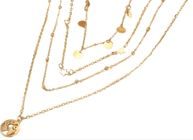
A stainless-steel chain.
-
A small gemstone pendant.
-
A matching clasp or extension chain.
Combining different textures and lengths creates a more distinctive layered design.
5. Branded jewellery collection
-
Signature leather colour.
-
Recurring gemstone combination.
-
Stainless-steel clasp with an engraved logo.
-
Matching metal chain or charm.
This approach helps create a consistent visual identity across several products.
Match component sizes correctly
A professional design should be attractive and functional.
Before assembly, check:
-
Whether the clasp fits the leather cord.
-
Whether the gemstone holes fit the cord or wire.
-
Whether the metal components are strong enough for the design.
-
Whether the chain can support the pendant.
-
Whether the components are proportionate to one another.
-
Whether the finished jewellery is comfortable to wear.
If you are combining multiple cords, remember to calculate their combined thickness before selecting an end cap or clasp. A component that is too small may not hold the materials securely.
Use a consistent colour palette
A simple colour palette usually creates a more professional result.
Try combining:
-
One main leather colour.
-
One gemstone colour family.
-
One stainless-steel finish.
For example:
You can add a second metal finish or accent colour, but too many materials may make the collection look inconsistent.
Think about the balance of materials
The three materials do not need to appear in equal amounts.
You can make:
-
Leather the main material and use gemstones as accents.
-
Gemstones the focal point and use leather as a supporting cord.
-
Stainless steel the main feature and add leather for contrast.
-
All three materials equally visible in a statement bracelet.
Avoid common design mistakes
Using too many colours
Several bright gemstones, leather colours and metal finishes can make the jewellery look busy. Start with a limited palette.
Ignoring proportion
A large clasp can overpower a thin leather cord. A tiny clasp may look unsuitable with large gemstones.
Choosing gemstones only for their appearance
Check the bead hole, weight and durability before using gemstones in a finished design.
Forgetting the clasp compatibility
The clasp must match the leather cord’s size, shape and number of strands.
Mixing finishes without a reason
Polished, brushed, gold-coloured and dark metal finishes can work together, but the combination should look intentional.
Testing only individual components
Always test the complete bracelet or necklace. The finished design may feel heavier or less flexible than the separate materials suggest.
Preparing a collection for wholesale
If you are developing a jewellery collection, choose materials that can be repeated consistently.
Document:
-
Leather type and colour.
-
Cord diameter or width.
-
Gemstone type and size.
-
Stainless-steel component style.
-
Clasp type.
-
Bracelet or necklace length.
-
Metal finish.
-
Logo placement.
-
Assembly method.
Create a sample before producing multiple pieces. This allows you to check the appearance, comfort, durability and compatibility of all components.
A collection may use the same stainless-steel clasp and leather colour across several products while changing the gemstone combination. This creates variety without losing a consistent brand identity.
FAQ
Can leather, gemstones and stainless steel be used together?
Yes. These materials work well together because they provide contrasting textures, colours and finishes. Leather adds warmth, gemstones add natural character and stainless steel provides structure.
What gemstones work well with leather?
The best gemstone depends on the leather colour and design style. Tiger eye, onyx, jasper, lapis lazuli, rose quartz, garnet, labradorite and moonstone can all work well in different combinations.
Is stainless steel suitable for leather bracelets?
Yes. Stainless steel is commonly used for leather bracelet clasps, end caps, connectors, beads and decorative components. Make sure the component is compatible with the cord size.
How do I choose the right clasp for a leather and gemstone bracelet?
Consider the cord diameter, number of strands, weight of the gemstones and desired style. A heavier bracelet may require a stronger magnetic, screw-lock or mechanical clasp.
Can I use large gemstones with thin leather cord?
You can, but the design may need additional support. Check the weight, bead hole, attachment method and clasp strength before using large gemstones with thin cord.
How can I make a leather and gemstone bracelet look more premium?
Use a limited colour palette, high-quality components, carefully matched finishes and clean professional assembly. An engraved stainless-steel clasp or logo tag can also strengthen the brand identity.
Is stainless steel better than sterling silver for this type of jewellery?
Not always. Stainless steel is practical and durable, while sterling silver can create a more premium appearance. Choose according to your target customer, price range and desired design style.
Create your jewellery design with Sun Enterprises
Combining leather, gemstones and stainless steel gives designers many opportunities to create jewellery that feels natural, modern and distinctive.
Start with one clear design direction. Choose a leather cord that supports the style, select gemstones that complement its colour, and add stainless-steel components for structure and contrast.
Sun Enterprises supplies leather cords, gemstones, stainless-steel chains, clasps, bracelets, findings, beads and charms for jewellery designers, brands, retailers and manufacturers. Explore jewellery components at Sun Enterprises


