


What is the best string to use for jewelry
The Best Stringing Materials for Jewelry Making: A Complete Guide
Choosing the right stringing material is one of the most important decisions in jewelry making. The string is not just what holds your beads together, it defines the style, durability, comfort, and lifespan of your jewelry. Whether you are designing necklaces, bracelets, or statement pieces, selecting the appropriate stringing material will ensure that your creation looks professional and lasts over time.
Before choosing a string, always consider what you are stringing: pearls, stone beads, crystals, metal components, or charms. Each material behaves differently and requires the right support. Below, we explore some of the best and most commonly used stringing materials for jewelry making and explain when and how to use them.
Leather Cord: A Timeless Jewelry Essential
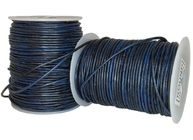
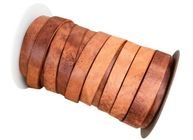
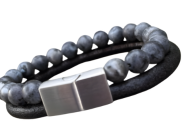
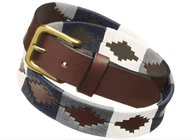
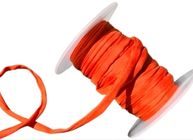
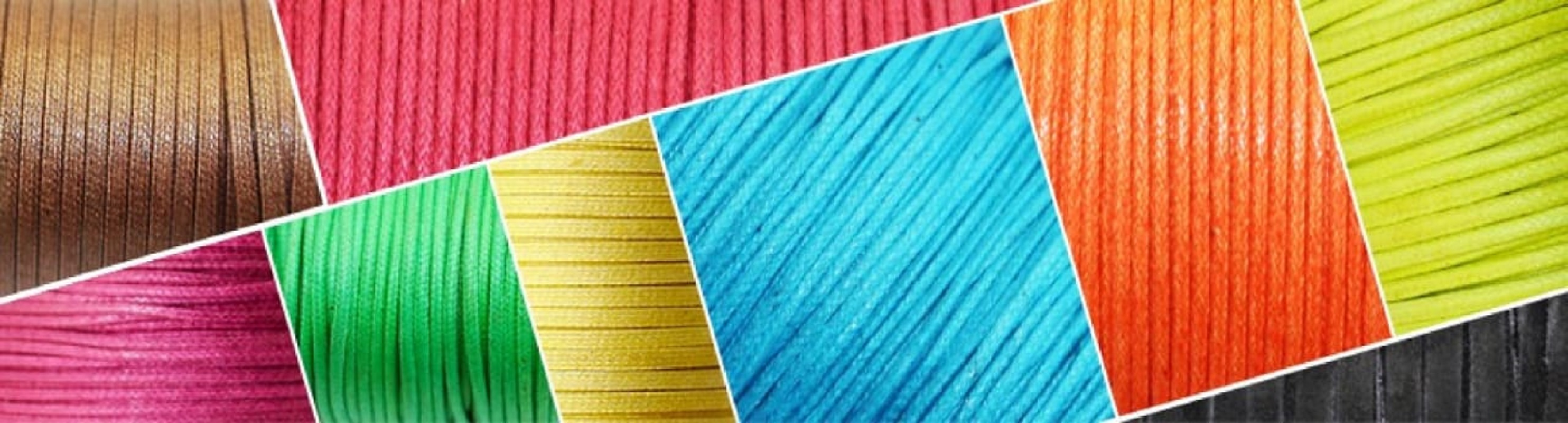
One of the most popular stringing materials is genuine leather cord. Leather is extremely easy to work with and makes a bold fashion statement on its own. Adding beads to leather cord instantly elevates the design, creating a piece that feels both natural and stylish.
Black and dark brown leather cords are classic choices, but modern jewelry design embraces a wide color palette. Red, pink, blue, green, and even metallic leather cords are increasingly popular, especially for contemporary collections.
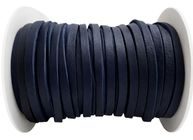
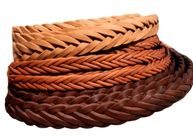
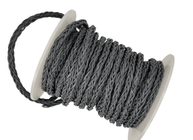
Among the many leather options, the most commonly used types are:
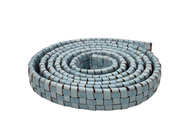
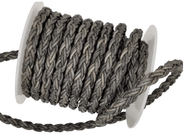
Round and braided leather cords are particularly popular because they are strong, flexible, and suitable for both men’s and women’s jewelry. Leather cords work beautifully with metal beads, charms, and pendants and are ideal for rustic, bohemian, minimalist, or masculine designs.
Silk Thread: The Classic Choice for Pearls
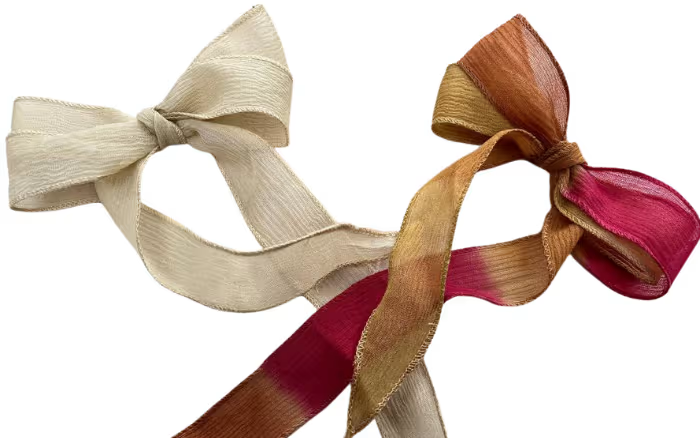
Silk has long been considered a premium stringing material, especially for pearls and fine beadwork. Many professional jewelers prefer silk thread because of its softness and elegant drape.
Silk is ideal when:
-
Hand-knotting pearl strands
-
Creating high-end necklaces
-
Working with delicate stone beads
Although silk can fray over time, its superior quality and natural feel make it the best option for traditional pearl jewelry. When paired with proper knotting techniques, silk creates refined and luxurious pieces.
Nylon Thread: Strong and Reliable
Nylon is a synthetic fiber that offers excellent durability. Unlike silk, nylon does not stretch or fray easily, making it a practical choice for long necklaces or designs that require multiple knots.
Nylon works particularly well for:
-
Stone bead necklaces
-
Long, knotted designs
-
Everyday jewelry pieces
Available in various sizes and colors, nylon thread is versatile and affordable, making it ideal for both beginners and professionals.
Coated Wire Threads: Modern and Versatile
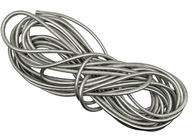
One of the most important innovations in jewelry making is coated wire thread. This stringing material consists of fine steel wires coated in nylon, combining strength with flexibility.
Coated wire threads are excellent for:
-
Crystal beads
-
Stone beads
-
Small pearls
-
Illusion necklaces
They are strong enough to support heavy beads while remaining thin and flexible. Even finer gauges can be used with delicate components, making them one of the most versatile stringing materials available today.
Tigertail Wire: Easy but Limited
Before coated wire became widely available, tigertail wire was the go-to solution for heavy beads such as hematite. Tigertail is easy to use and holds its shape well initially.
However, tigertail has one major drawback: it kinks easily, and once bent, the wire weakens at that point. For this reason, coated wire has largely replaced tigertail in modern jewelry making.
Nymo Thread: A Beader’s Favorite
Nymo thread is a staple for seed bead and Native American–style beadwork. It requires the use of a needle and is commonly paired with English beading needles.
Nymo is ideal for:
-
Intricate bead weaving
-
Loom work
-
Detailed patterns
To improve performance, many beaders coat Nymo with beeswax, which reduces fraying, tangling, and damage caused by sharp bead edges.
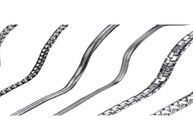
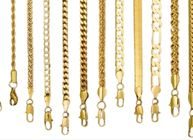
Metal Chains: Functional and Decorative
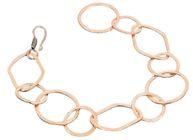
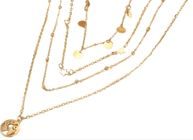
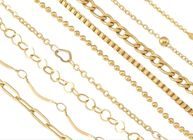
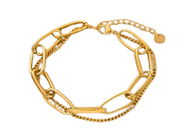
Metal chains are not only functional but also a design element in themselves. They are used in a wide variety of jewelry styles, from bold statement necklaces to delicate layered designs.
Chains are commonly used for:
-
Heavy statement necklaces
-
Multi-strand designs
-
Linking beads and filigree components
-
Earrings and bracelets
Chains come in various metals, finishes, and thicknesses, allowing endless design possibilities.
Stretch Strings: Perfect for Bracelets
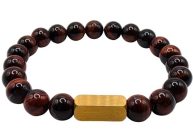
If you are making bracelets, especially slip-on styles, stretch string is an excellent choice. The best option is a high-grade polymer stretch cord, which offers durability and elasticity.
Stretch string is ideal for:
-
Beaded bracelets
-
Casual everyday jewelry
-
Quick, clasp-free designs
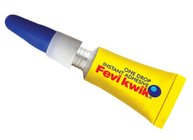
While tying secure knots can be challenging for beginners, a small amount of jewelry glue can easily solve this issue and ensure a professional finish.
Final Thoughts
Choosing the right stringing material is the foundation of successful jewelry making. Each material of leather, silk, nylon, wire, chain, or stretch cord serves a specific purpose and contributes to the final look and durability of your design.
By understanding the strengths of each option, you can confidently select the best string for your project and create jewelry that not only looks beautiful but also lasts.
You are now fully prepared to start stringing your dream jewelry with the right materials and techniques. Let your creativity guide you, and don’t be afraid to experiment with different strings to find your signature style.


