



Jewellery Supplies
Jewelry Making Basics: A Beginner’s Guide to Jewelry Findings and Supplies
Jewelry making can feel intimidating at first. When you look at finished necklaces, bracelets, or earrings in a store, it’s easy to think that creating such pieces requires advanced skills or years of experience. In reality, every jewelry designer from hobbyists to professionals started with the same foundation: understanding the basic materials and terminology of jewelry making.
Whether you are creating jewelry at home, exploring a new creative career, or simply want accessories that truly match your personal style, learning the language of jewelry making is the first step toward success. This guide is designed to help you understand the essential jewelry findings and supplies you will encounter and how they are used in real projects.
What Are Jewelry Findings?
In jewelry making, the term “findings” refers to all the components that help hold a piece of jewelry together or allow it to function. Findings are not the decorative focal point like beads or stones, but they are the structural backbone of every jewelry design.
Without findings, necklaces would not close, earrings could not hang, and bracelets would fall apart. Understanding these small but crucial components will make the design process easier, faster, and far more enjoyable.
Below are some of the most commonly used jewelry findings that every beginner should know.
Jump Rings
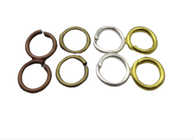
Jump rings are small metal rings with an opening. They are used to connect different components of a jewelry piece.
They are commonly used to:
-
Attach clasps to necklaces and bracelets
-
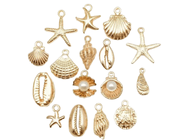
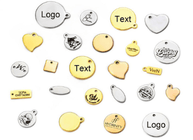
Connect charms or pendants
-
Link chains and findings together
Jump rings come in various sizes, thicknesses, and finishes. Choosing the right size ensures both durability and a clean design.
Head Pins and Eye Pins
Head pins and eye pins are thin metal wires used primarily for attaching beads.
-
Head pins have a flat end that prevents beads from sliding off.
-
Eye pins have a loop at one end, allowing them to connect easily to other components.
These pins are commonly used for:
-
Drop earrings
-
Beaded charms
-
Rosary-style necklaces and bracelets
By shaping the wire with pliers, you can create elegant and professional-looking connections.
Crimps
Crimps are tiny metal beads that play a very important role in jewelry making. They are typically used with nylon-coated wire or flexible beading thread.
Crimps help to:
-
Secure beads in place
-
Finish the ends of necklaces and bracelets
-
Create neat loops for attaching clasps
Once placed, crimps are gently flattened using pliers to hold everything securely together.
Earring Findings
Earring findings are the components that allow earrings to be worn. The most common type is the ear wire, designed for pierced ears.
They usually include:
-
A loop at the bottom for attaching beads or charms
-
Various shapes such as hooks, hoops, or studs
Choosing the right earring finding affects both comfort and style, especially for daily wear.
Beads
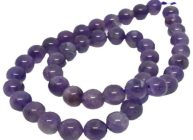
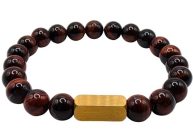
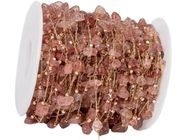
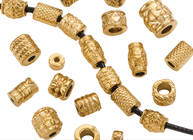
Beads are one of the most creative elements in jewelry making. They come in endless variations of:
-
Size
-
Shape
-
Color
-
Material
Popular bead materials include:
-
Glass
-
Crystal
-
Metal
-
Semi-precious stones
When working with beads, always consider the size of the bead hole, as it must match your chosen stringing material.
Bead Tips (Calottes)
Bead tips, also known as calottes, are used to give necklaces and bracelets a clean and professional finish.
They are especially useful when:
-
Working with thread or flexible stringing materials
-
Hiding crimps or knots
-
Creating a smooth transition to clasps
They help elevate the overall look of your jewelry piece.
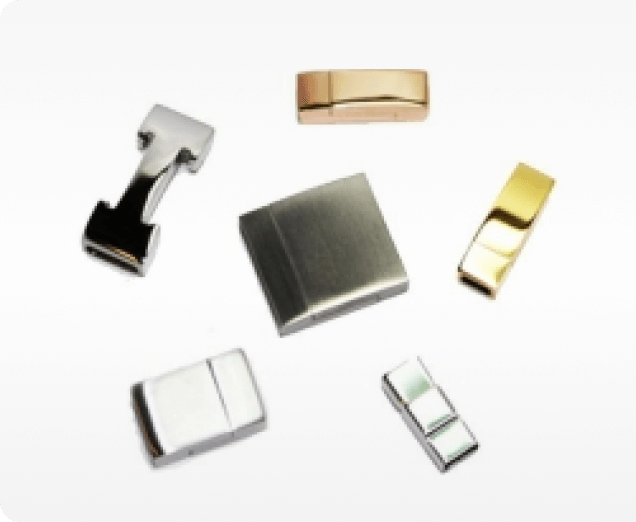
Clasps
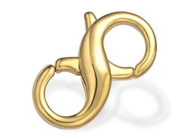
Clasps are what allow jewelry to open and close. They are both functional and decorative.
Some of the most popular clasps include:
-
Lobster claw clasps – secure and easy to use
-
Toggle clasps – stylish and ideal for statement pieces
The right clasp can enhance the design while ensuring comfort and security.
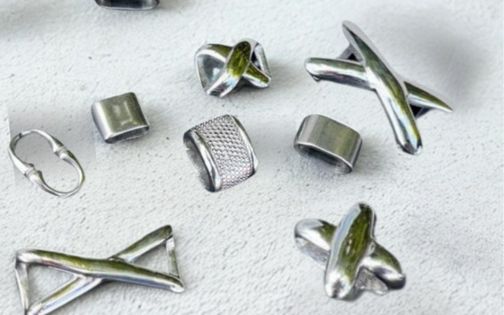
Links and Connectors
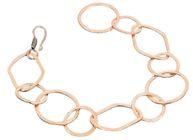
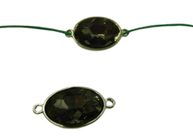
Links and connectors are used to join multiple elements together in a structured way.
They are often used in:
-
Earrings
-
Bracelets
-
Necklaces
Connectors can be decorative or simple, depending on the design.
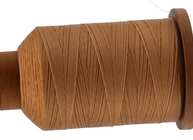
Choosing the Right Stringing Material
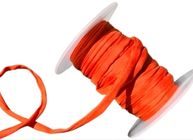
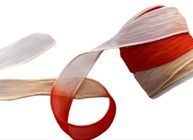
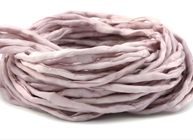
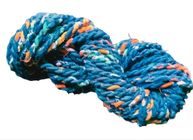
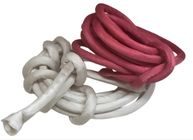
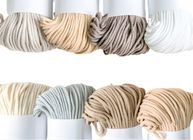
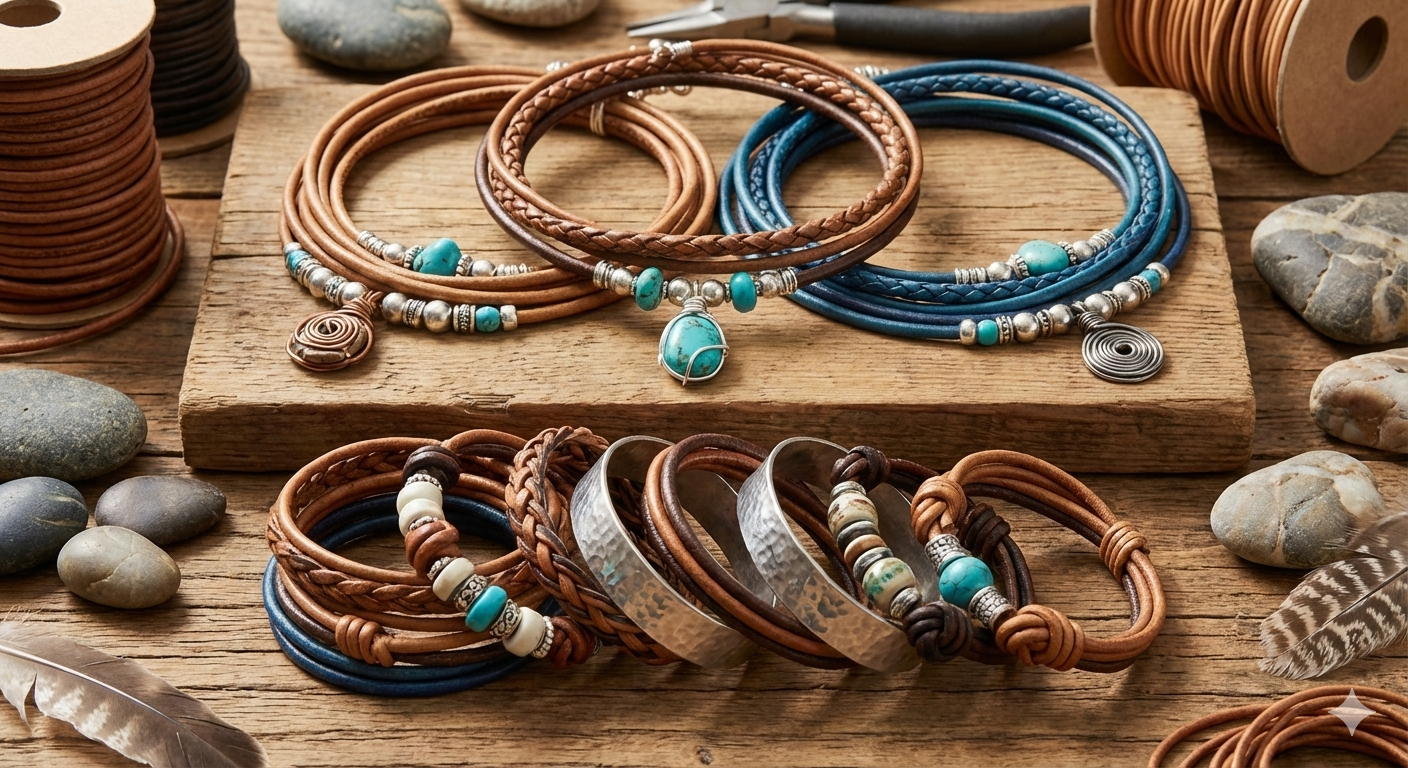
The stringing material you choose significantly impacts the final look and durability of your jewelry.
For a natural and organic look, consider:
-
Cotton threads
-
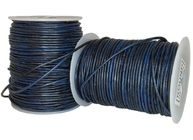
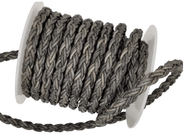
Leather cords
-
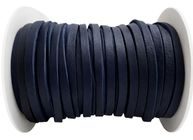
Faux suede
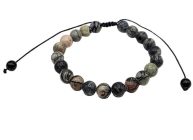
For a strong and colorful option, synthetic cords or shamballa threads work well.
Always ensure that the thickness of the stringing material matches the bead holes and findings you plan to use.
Working with Chains
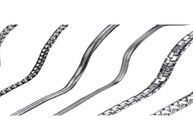
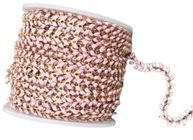
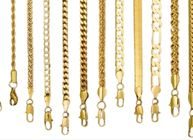
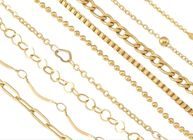
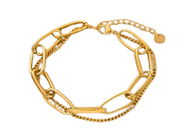
Chains are another versatile element in jewelry making. They are available in different metals, finishes, and styles.
Chains can be used to:
-
Create full necklaces and bracelets
-
Serve as accents in beaded designs
-
Connect components together
Finer chains are perfect for earrings or delicate details, while heavier chains work well for statement pieces and multi-strand designs.
Final Thoughts
Jewelry making becomes far less overwhelming once you understand the basic terminology and components. Jewelry findings may be small, but they play a massive role in turning ideas into wearable designs.
By learning how jump rings, clasps, beads, pins, and chains work together, you build a solid foundation that allows your creativity to flourish. Whether you are just starting out or refining your skills, mastering these basics puts you on the right path to creating jewelry that is both beautiful and functional.
For more inspiration, product information, and tutorials, follow @leather_sunenterprises on Instagram or contact us via WhatsApp. One of our team members will be happy to assist you with everything you need.


