


Cuero duradero: calidad, artesanía y certificación.
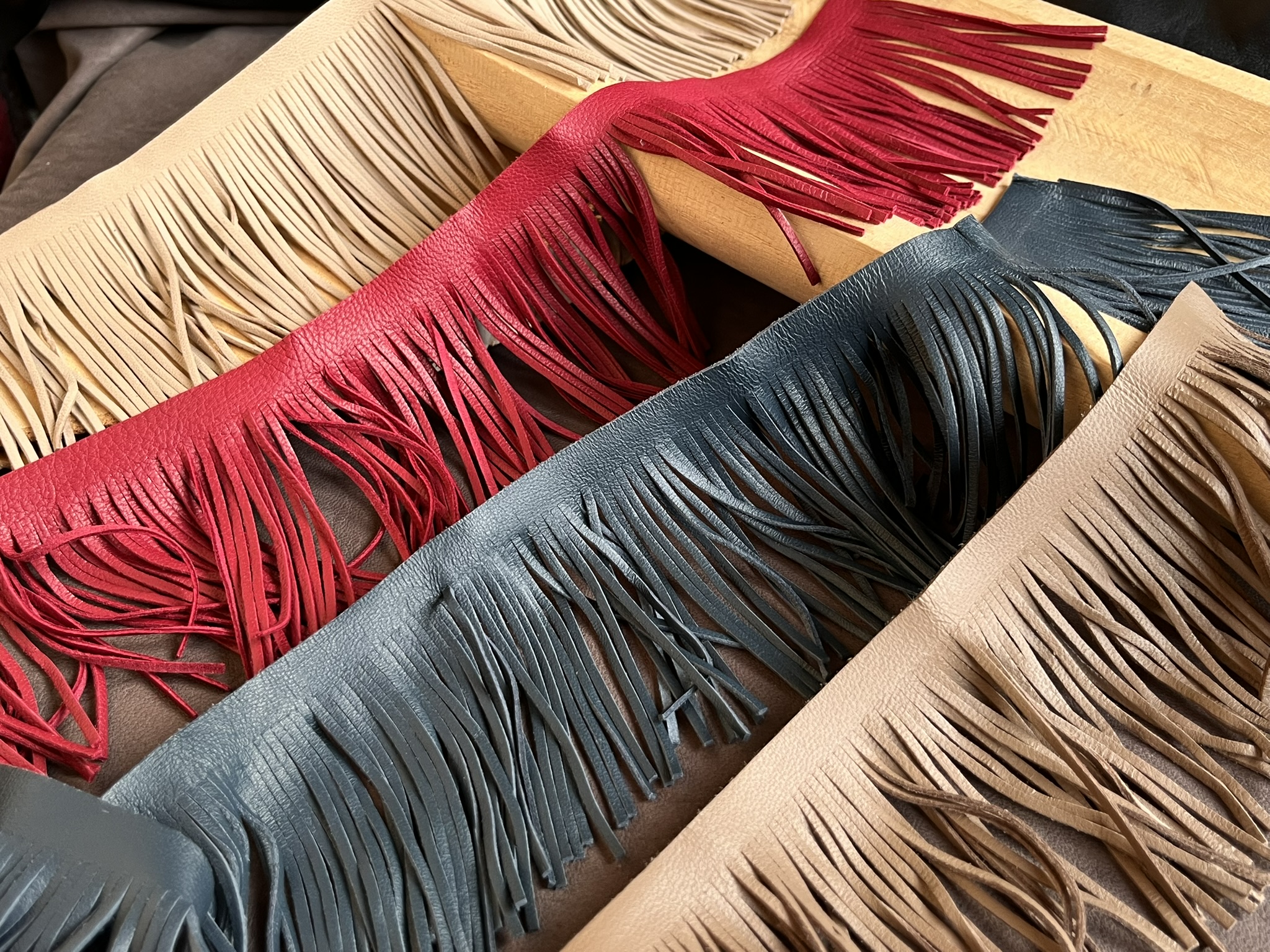
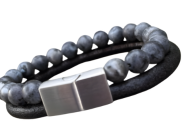
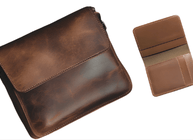
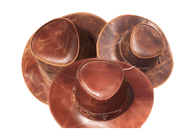
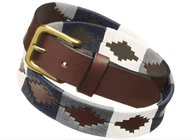
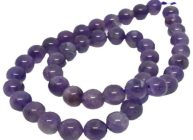
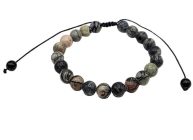
El cuero es un material sumamente versátil, utilizado en una amplia gama de industrias. Basta con pensar en la popularidad del ante en el mundo de la moda: zapatos, chaquetas, bolsos, y la lista continúa. Sin mencionar la industria de la joyería (así como la del mueble), donde el cuero se combina a menudo con otros materiales para crear collares, pulseras y muchos otros accesorios.
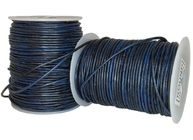
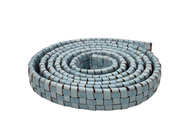
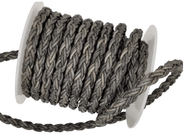
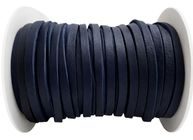
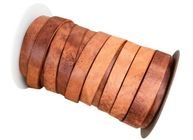
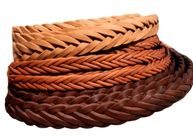
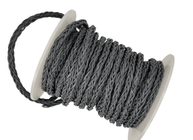
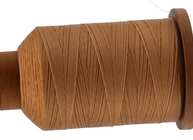
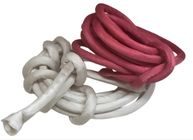
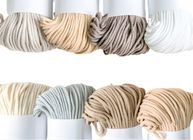
Además, los cordones de cuero vienen en diferentes formas y tipos. Los más comunes son redondos, cuadrados, trenzados o planos, lo que permite utilizar el cuero de múltiples maneras creativas. Esta versatilidad invita a analizar más a fondo por qué el cuero sigue siendo tan popular hoy en día.
Lo que realmente distingue al cuero de muchos materiales más nuevos (y a menudo más baratos) es su calidad. El cuero es un material duradero que, con el cuidado adecuado, puede durar toda la vida, convirtiéndose en una verdadera inversión en lugar de una opción desechable. Además, es un material natural: agradable al tacto, flexible y transpirable. Cada pieza de cuero es única, por lo que a menudo se considera un material atemporal de belleza perdurable.

Todas estas características, combinadas con la sostenibilidad (siempre que esté debidamente documentada), pueden aumentar significativamente el valor del cuero. Sin embargo, no todo el cuero es igual… y es aquí donde las certificaciones desempeñan un papel fundamental para comprender y evaluar su calidad.
Principales certificaciones para cuero genuino
Las certificaciones están diseñadas para proteger a los consumidores y garantizar que el cuero se produzca de conformidad con las normas ambientales, químicas y éticas.
Leather Working Group (LWG)
Una de las certificaciones internacionales más reconocidas. Evalúa las curtidurías en función de la gestión ambiental, el consumo de agua y energía, y los procesos de tratamiento de residuos.
REACH (Reglamento de la UE)
Aunque no es una certificación específica para el cuero, REACH es un reglamento europeo que controla el uso de sustancias químicas potencialmente nocivas. El cuero que cumple con las normas REACH se considera seguro para la salud humana.
Estándar de cuero OEKO-TEX®
Esta certificación garantiza que el cuero no contiene sustancias nocivas y es seguro para el contacto directo con la piel.
ICEC / UNI EN ISO
Estas certificaciones avalan la calidad del proceso de producción y la trazabilidad de la cadena de suministro.
Elegir cuero genuino certificado significa combinar belleza, calidad y responsabilidad. Las certificaciones no son solo detalles técnicos, sino una verdadera herramienta de confianza que permite a los consumidores tomar decisiones informadas, respetando al mismo tiempo el medio ambiente y a las personas involucradas en la cadena de producción.


