







Why Does Crochet Hurt My Wrist? (And How to Fix It)
If your wrist starts hurting after just 20–30 minutes of crochet, you’re not alone. Thousands of crocheters experience discomfort, stiffness, or even sharp pain, but most don’t know why it happens or how to fix it. The good news? Wrist pain from crochet is preventable and reversible with the right techniques and tools.
In this guide, we’ll break down:
- Why crochet causes wrist pain
- The most common mistakes
- Simple fixes you can apply today
- How ergonomic support can completely change your experience
Why Does Crochet Hurt Your Wrist?
Crochet involves repetitive hand and wrist movements, which can strain muscles and tendons over time. The main causes include: doing the same motion repeatedly puts stress on your wrist joints, leading to inflammation; poor wrist position, for example if your wrist is bent at an awkward angle while crocheting, it creates unnecessary tension; holding your crochet hook too tightly increases strain on your wrist and fingers; lack of arm support, so when your arms aren’t supported, your wrists compensate causing fatigue and pain.
Common symptoms to watch for because if ignored, these can lead to conditions like carpal tunnel syndrome:
-
Aching or stiffness in the wrist
-
Tingling or numbness in fingers
-
Sharp pain while crocheting
-
Weak grip strength
How to Fix Crochet Wrist Pain (Step-by-Step):
1. Adjust Your Wrist Position: keep your wrist in a neutral (straight) position while crocheting, avoid bending it up or down for long periods.
2. Loosen Your Grip: You don’t need to hold your hook tightly. A relaxed grip reduces strain significantly.
3. Take Frequent Breaks: fllow the 20-20 rule= every 20 minutes → take a 20-second break. Stretch your fingers and wrists during breaks.
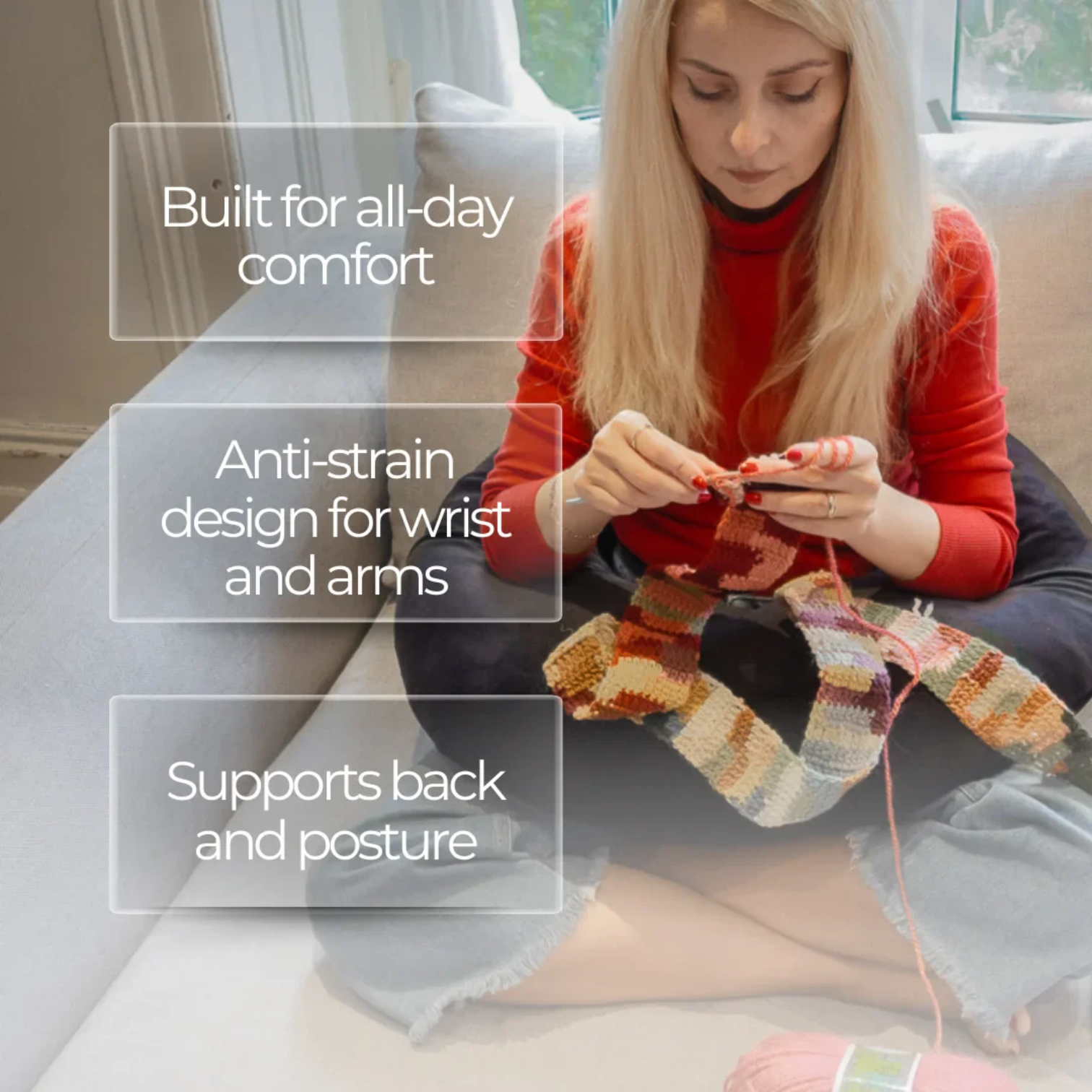
4. Improve Your Sitting Posture: sit upright with back supported, shoulders relaxed, elbows close to your body
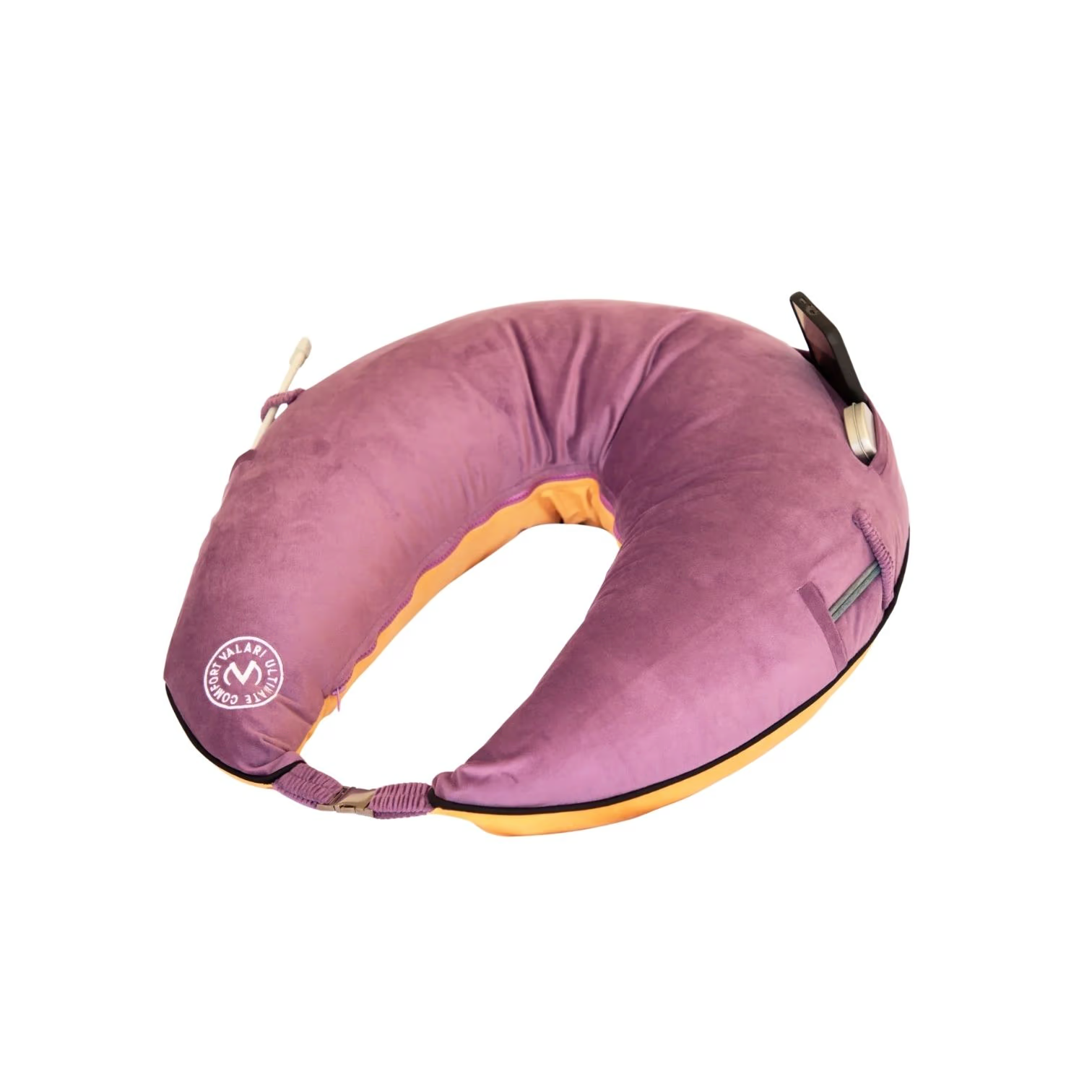
5. Use Proper Arm Support (Game-Changer): one of the biggest causes of wrist pain is lack of arm support, when your arms are unsupported your wrists overcompensate, muscles fatigue faster and pain increases quickly.
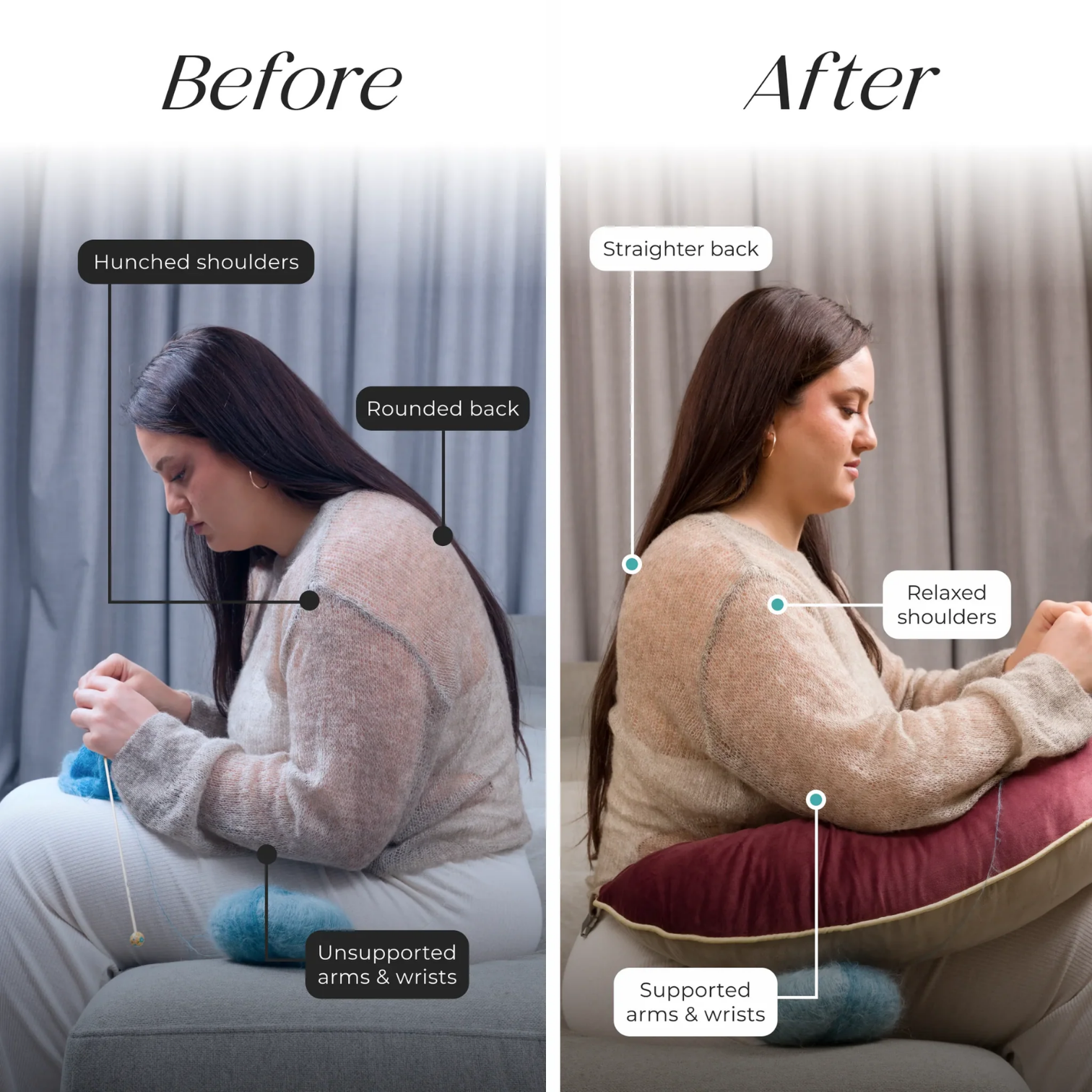
This is where ergonomic tools make a huge difference.
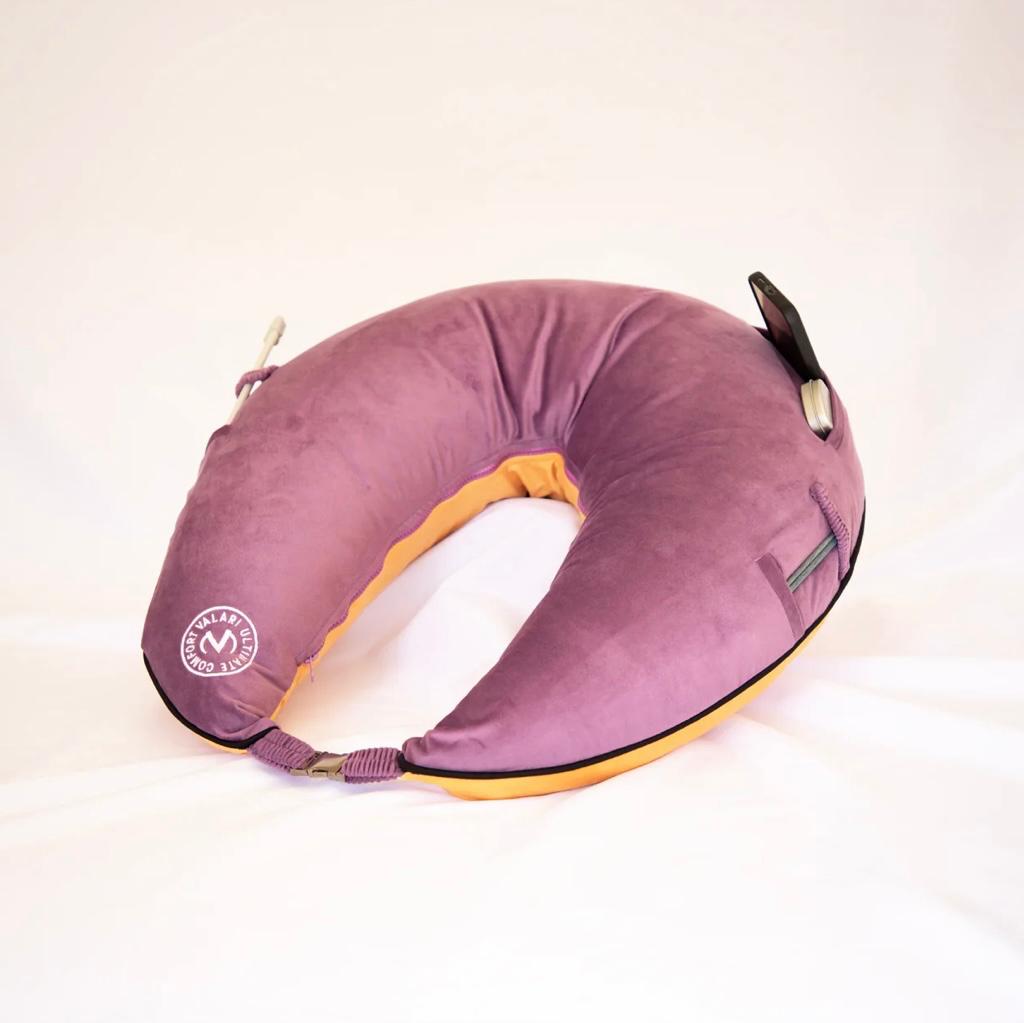
Using an ergonomic crochet pillow helps: support your arms at the right height, reduce pressure on wrists and shoulders, allow longer, pain-free crochet sessions.
Finally, crochet should be relaxing, not painful. If you’re experiencing wrist pain, small changes like improving posture, loosening your grip, and using proper support can make a huge difference. For many crocheters, adding ergonomic support, like a well-designed crochet pillow, has been the key to pain-free, longer crafting sessions.
Ready to crochet comfortably again? Explore ergonomic solutions designed to support your crafting journey and reduce wrist strain so you can focus on what you love most.


