




Minimalist Cuff Bracelets: A Guide to Materials, Finishes and Design

Minimalist Cuff Bracelets: A Guide to Materials, Finishes and Design
Minimalist cuff bracelets are a versatile choice for modern jewellery collections. With their clean silhouettes, simple structures and understated details, they offer designers plenty of room to experiment with materials, textures and finishes without making a design feel overcomplicated.
For jewellery brands and manufacturers, the appeal goes beyond appearance. A well-designed cuff can become a recognisable everyday accessory, a personalised gift or part of a coordinated collection. The choice of metal, surface finish, dimensions and additional materials all influence the final result.
Whether you are developing a new bracelet collection or sourcing components for an existing design, understanding these details can help you make better product decisions.
In this guide, we explore different cuff bracelet styles, compare popular jewellery materials and finishes, and look at ways to create distinctive designs using components and materials available from Sun Enterprises.
1. What Makes a Cuff Bracelet Different?
A cuff bracelet is an open-ended bracelet designed to sit around the wrist without a traditional clasp. Its open structure makes it easy to put on and remove, while its shape gives it a clean and recognisable appearance.
Unlike closed bangles, cuffs have a visible opening. This detail can be subtle or become an important part of the overall design.
Cuff bracelets can take several forms:
-
Slim cuffs: Narrow profiles with a delicate, understated appearance.
-
Wide cuffs: More substantial designs that create a stronger visual statement.
-
Open metal cuffs: Simple metal shapes with smooth or textured surfaces.
-
Leather-insert cuffs: Structured metal bases combined with leather for additional texture and colour.
-
Personalised cuffs: Designs featuring engraving, logos or other decorative details.
For jewellery designers, the cuff format offers a flexible starting point. A simple base can be adapted through different materials, finishes and surface details to create several variations within one collection.
2. Choosing the Right Material for Cuff Bracelet Designs
The material is one of the most important decisions in jewellery development. It affects the bracelet's appearance, weight, durability, finishing possibilities and price positioning.
Here are some materials worth considering when planning a minimalist bracelet collection.
Stainless Steel
Stainless steel is widely used in contemporary jewellery because of its durability, versatility and clean metallic appearance. It works well for everyday accessories and can be finished in different ways to suit both understated and more distinctive designs.
For jewellery businesses, stainless steel offers several practical advantages:
-
A durable material for everyday accessories.
-
A modern appearance that suits minimalist designs.
-
Compatibility with different surface finishes and plating processes.
-
Opportunities to develop both simple and more detailed designs.
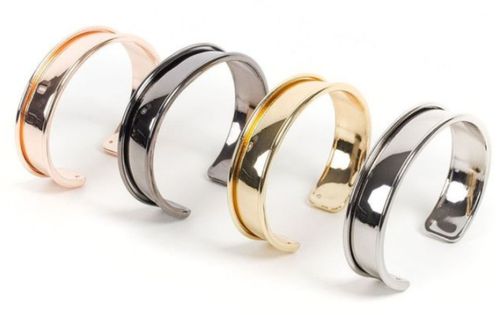
Sun Enterprises offers several stainless steel jewellery components, including stainless steel bracelet blanks (cuff) designed as structured bases for leather-insert bracelets.
316L Stainless Steel
316L is a particular grade of stainless steel frequently used in jewellery and accessories. It contains molybdenum, which contributes to its corrosion resistance.
Designers may consider 316L when developing jewellery intended for regular wear, especially when material specifications and long-term performance are important.
However, it is important to distinguish between stainless steel products generally and products specifically confirmed as 316L. Always check the exact grade with your supplier before selecting a component for a collection.
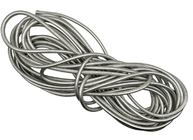
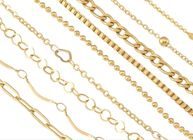
Sun Enterprises also lists 304 and 316L stainless steel within its wholesale jewellery chains collection. For a specific bracelet blank or cuff base, confirm the precise material specification before ordering.
Zamak
Zamak is a zinc-based alloy used in fashion jewellery components. It is particularly useful when designers want to explore decorative shapes and different plating finishes.
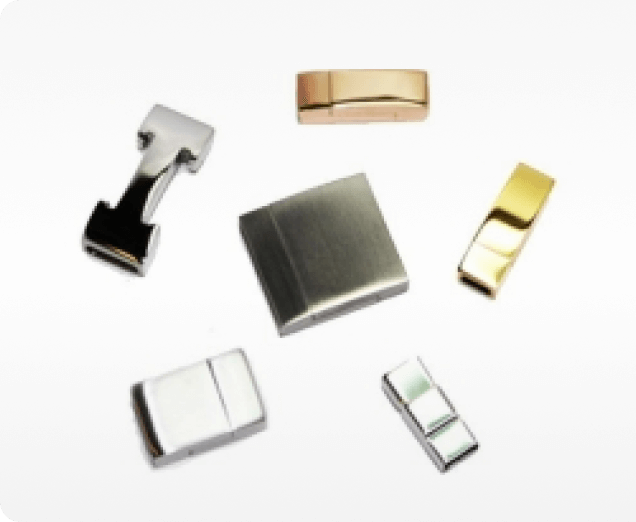
At Sun Enterprises, zamak is used in selected leather jewellery components, including belt buckle-style clasps. These are available in finishes such as gold-plated, silver-plated, antique bronze and gunmetal.
Although zamak and stainless steel serve different purposes, both can be useful when developing coordinated accessory collections.
3. Brushed, Satin or Polished? Understanding Jewellery Finishes
The surface finish can completely change the character of a bracelet, even when the underlying shape remains the same.
For minimalist jewellery, where there are fewer decorative elements, the finish becomes especially important.
Brushed Finish
A brushed finish features fine, directional surface lines that create a soft, textured appearance. Unlike a highly reflective surface, it produces a more understated look.
Brushed metal is a popular design direction for contemporary accessories, particularly collections with an industrial, architectural or masculine aesthetic.
Satin Finish
A satin finish has a smooth appearance with a gentle, controlled sheen. It sits between a highly polished and a strongly textured surface.
This finish can be a good choice when a designer wants a refined metallic appearance without excessive reflection.
Polished Finish
A polished finish creates a smooth, reflective surface that highlights the shape of the bracelet. It can make simple designs look more refined and gives metal accessories a brighter appearance.
Choosing the Right Finish
| Finish | Appearance | Design direction |
|---|---|---|
| Brushed | Soft, directional texture | Contemporary and understated |
| Satin | Smooth, subtle sheen | Refined and minimalist |
| Polished | Bright and reflective | Classic and elegant |
When sourcing components, request actual product samples or finish references whenever possible. Terms such as brushed, satin and matte can be interpreted differently by different manufacturers, so visual confirmation is important.
4. Choosing the Right Colour for Your Collection
Colour is another important part of cuff bracelet design. The same shape can appeal to different audiences depending on its metallic finish.
Silver
Silver-toned finishes are versatile and easy to combine with other jewellery. They work particularly well in minimalist collections that focus on clean lines and neutral styling.
Gold
Gold-plated finishes introduce warmth and a more decorative character. They can be used to create elegant everyday accessories or coordinated jewellery sets.
Rose Gold
Rose gold offers a softer alternative to traditional gold. Its warmer, slightly pink tone can give simple bracelet designs a distinctive appearance.
Gunmetal
Gunmetal is a darker metallic finish that can create a contemporary and more industrial look. It is particularly interesting for brands exploring men's accessories and understated jewellery designs.
When choosing colours for a collection, consider how the finishes will work together. Offering the same bracelet design in two or three complementary colours can create variety without requiring completely different product structures.
Always confirm the availability of a specific finish on the exact component you intend to purchase. A finish available on one type of finding may not be available on another.
5. Width, Thickness and Shape: Small Details That Matter
The proportions of a cuff bracelet influence both its appearance and how comfortably it sits on the wrist.
Bracelet Width
A narrow cuff can look delicate and understated, while a wider design creates a stronger visual presence.
The best width depends on the intended style, target audience and overall proportions of the bracelet. For example, a slim cuff may suit a subtle everyday collection, whereas a wider profile can become the central feature of a statement accessory.
Thickness
Thickness influences the bracelet's visual weight and structure. A very thin design may feel delicate, while a thicker profile can create a more substantial appearance.
Designers should consider the relationship between thickness, width and material rather than evaluating each dimension separately.
Shape and Inner Dimensions
Cuff bracelets can have round, oval or more angular profiles. The inner dimensions determine how the bracelet fits around the wrist.
Before ordering, check:
-
Inner diameter and overall dimensions.
-
Opening width.
-
Bracelet width and thickness.
-
Whether different sizes are available.
-
Whether the design is intended to be slightly adjustable.
Do not assume that every open cuff is adjustable. The degree of flexibility depends on its construction and material, and repeated bending may damage some designs.
For wholesale orders, requesting measurements and samples before committing to larger quantities can help avoid fit and production issues.
6. Combining Metal and Leather for a More Distinctive Cuff
Minimalist jewellery does not have to rely on metal alone. Combining materials can introduce contrast and texture while keeping the overall design simple.
One interesting approach is to use a structured metal cuff base with a leather insert.
The metal provides the shape and structure, while the leather adds a softer surface and introduces opportunities for colour variations.
For example, a single cuff design could be developed with:
-
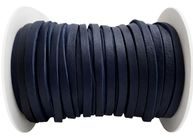
Black nappa leather for a clean, understated appearance.
-
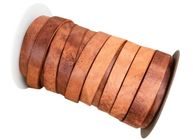
Brown leather for a warmer, more traditional look.
-
Darker leather tones for a contemporary men's accessory.
-
Different leather colours to create seasonal variations.
Sun Enterprises offers Bracelet Blanks (Cuff), which are pre-formed stainless steel bases designed for leather inserts.
The blanks feature a channel into which compatible leather cord or leather material can be fitted using suitable jewellery adhesive. The correct leather width and profile should be checked against the individual blank specifications.
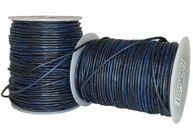
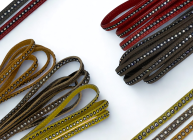
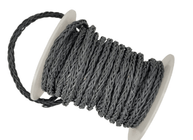
You can explore the leather components collection to find additional components for developing coordinated leather jewellery designs.
7. Personalisation: Turning a Simple Cuff into a Branded Product
Personalisation is an effective way for jewellery brands to give a basic design a more recognisable identity.
A simple cuff can be adapted through carefully selected details without losing its minimalist character.
Some possibilities include:
Logo engraving
A small engraved logo can help establish brand identity while keeping the bracelet visually clean.
Initials and personal messages
Initials, dates or short messages can turn a simple bracelet into a personalised gift.
Leather colour variations
Offering different leather insert colours allows brands to create several versions from a similar base design.
Surface details
Subtle textures, contrasting finishes and carefully positioned decorative elements can make a design more distinctive.
For businesses considering customisation, it is important to confirm which techniques are suitable for the chosen material and surface finish. Engraving possibilities, production quantities and additional costs should be discussed with the supplier before finalising a design.
8. What Should Jewellery Brands Consider When Sourcing Cuff Components?
Finding an attractive component is only one part of developing a successful bracelet collection. Businesses also need to consider product specifications, production requirements and the consistency of future orders.
Here are some important points to check before placing a wholesale order.
1. Confirm the material
Ask for the exact material specification rather than relying on general descriptions such as stainless steel. If your design requires 316L, request confirmation of that grade for the specific product.
2. Check dimensions and compatibility
Make sure the component's dimensions match your intended design. For leather-insert cuffs, the width and profile of the leather must be compatible with the channel.
3. Compare available finishes
Request finish samples or photographs of the actual product. This is particularly important when developing a collection with brushed, satin or darker metallic finishes.
4. Consider customisation
If you plan to add a logo, engraving or other personalised detail, check whether the component supports the intended process.
5. Evaluate wholesale availability
Ask about minimum order quantities, stock availability, repeat orders and pricing for different quantities. Consistency is especially important for brands that plan to sell the same design over an extended period.
6. Order samples before production
Testing a sample allows you to assess the finish, fit, dimensions and overall appearance before committing to a larger order.
A reliable component supplier should be able to help you understand product specifications and identify suitable materials for your intended design.
9. Building a Cohesive Minimalist Bracelet Collection
A successful collection does not need dozens of unrelated designs. Sometimes, a small number of well-developed styles can create a stronger and more recognisable product range.
For example, a brand could build a collection around three design directions:
-
Classic minimalism: Simple metal shapes, clean surfaces and neutral colours.
-
Modern contrast: Darker metallic finishes combined with lighter details.
-
Mixed materials: Metal bases with leather inserts in complementary colours.
The same design concept can also be adapted through different widths, finishes and personalisation options.
For jewellery manufacturers and retailers, working with existing components can make product development more efficient. Instead of creating every element from scratch, designers can focus on material combinations, colour choices and details that distinguish their collections.
Frequently Asked Questions
What is the best material for a minimalist cuff bracelet?
Stainless steel is a popular option because of its durability and contemporary appearance. The best material depends on the intended design, price point and product requirements. Always confirm the exact grade and specifications with the supplier.
What is the difference between 304 and 316L stainless steel?
Both are stainless steel grades, but their chemical compositions differ. 316L contains molybdenum, which generally provides better resistance to corrosion in more demanding environments. The appropriate grade depends on the intended use and required material specifications.
What is the difference between brushed and polished metal?
Brushed metal has fine surface lines and a softer appearance, while polished metal has a smooth, reflective surface. Brushed finishes are often chosen for understated contemporary designs, whereas polished finishes create a brighter, more traditional look.
Can cuff bracelets be made with leather inserts?
Yes. Some cuff bracelet bases are specifically designed with channels for leather inserts. The leather dimensions must match the channel, and a suitable jewellery adhesive should be used according to the product instructions.
Can stainless steel cuff bracelets be personalised?
Depending on the construction and surface, stainless steel components may support laser engraving or other customisation methods. Always confirm compatibility with the supplier before ordering.
What should I check before buying cuff bracelet components wholesale?
Check the material, dimensions, finish, compatibility with other materials, minimum order quantity and availability of repeat orders. Ordering samples first is also a useful way to evaluate the product.
Find the Right Components for Your Next Jewellery Collection
Minimalist cuff bracelets offer plenty of possibilities for jewellery brands looking to develop clean, versatile and contemporary designs. From simple metallic shapes to leather-insert styles, the right combination of material, finish and proportions can turn a basic component into a distinctive product.
At Sun Enterprises, jewellery designers, manufacturers and retailers can explore a wide range of wholesale jewellery-making materials, including stainless steel bracelet blanks, leather components, chains and other findings.
Explore our Bracelet Blanks (Cuff), discover the wider Leather Components collection, or browse our Wholesale Jewellery Chains to find materials for your next design.
Whether you are developing a new collection or sourcing components for an established product line, choosing the right foundation is the first step towards creating jewellery that stands out.


